California’s ‘Bridge to Nowhere’ Costs $77M — Expert Warns It’s Just the Beginning
The Wildlife Crossing Controversy: A Symbol of Wasteful Spending
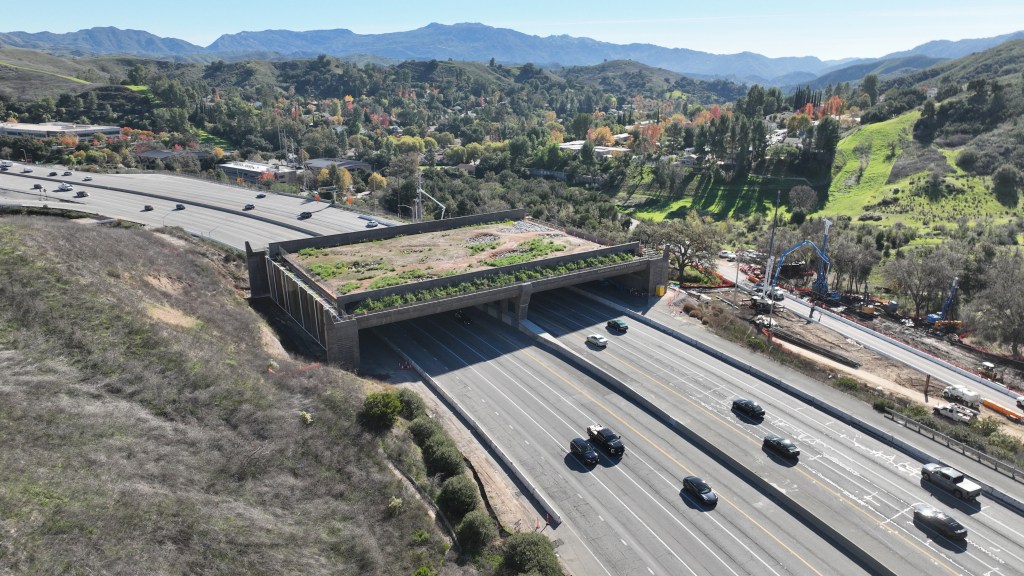
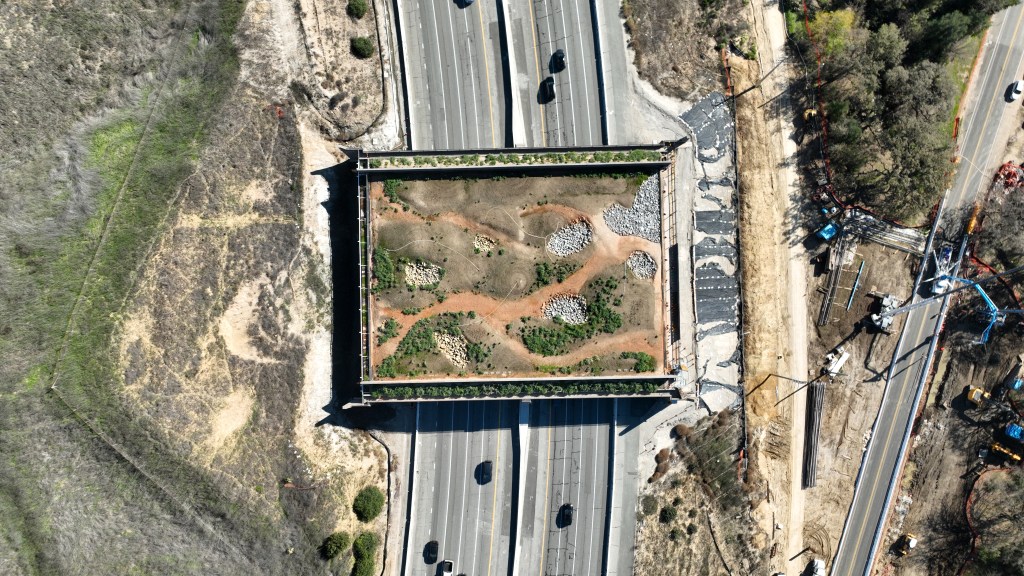
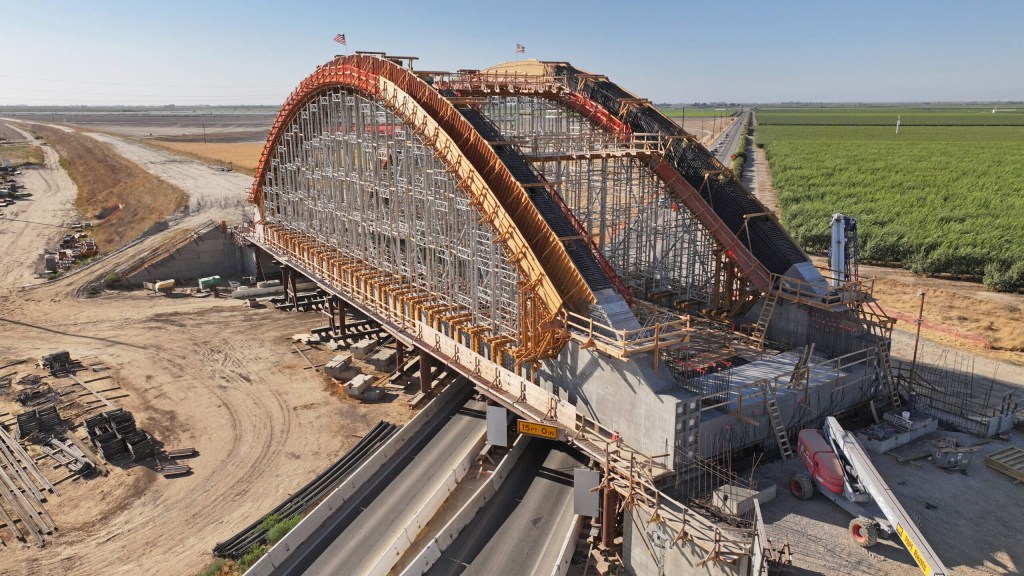
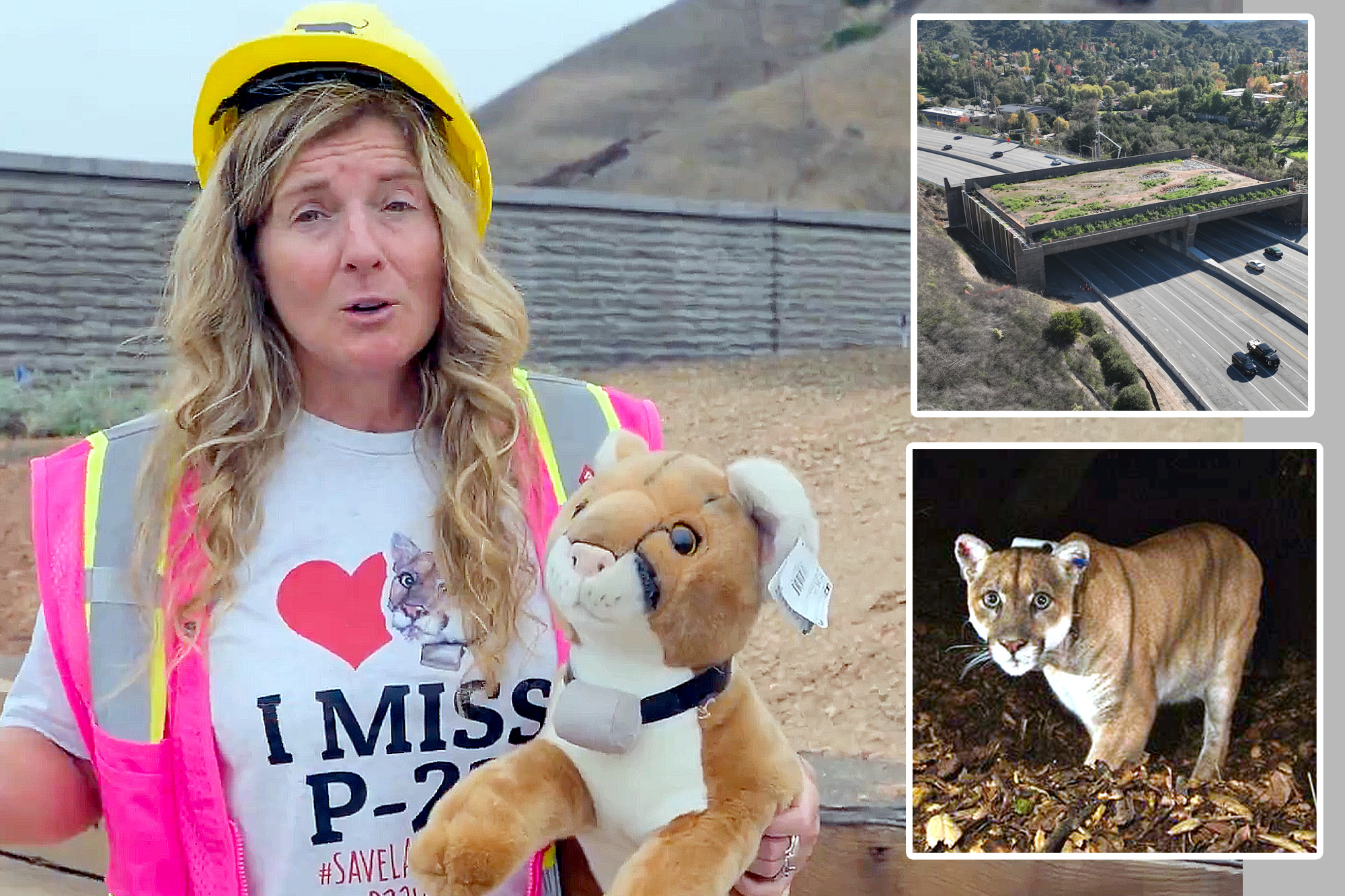
The Wallis Annenberg Wildlife Crossing, a $114 million project in California, has become a focal point of debate over government spending and accountability. This so-called “bridge to nowhere” is just one example of what critics say is a growing pattern of mismanagement and inefficiency in state projects.
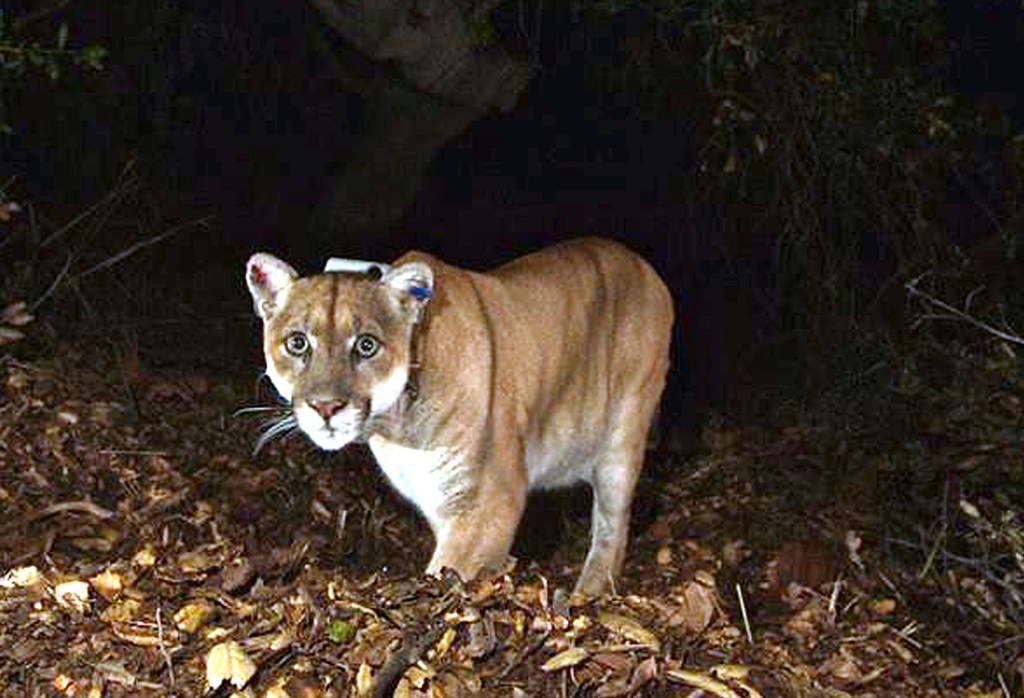
Designed to allow safe passage for wildlife across the 101 Freeway in the Santa Monica Mountains and Simi Hills, the bridge was initially presented as a groundbreaking conservation effort. Governor Gavin Newsom had committed $54 million when the project broke ground in 2022, with an additional $10 million expected to complete it. Philanthropists were also expected to contribute to the cause.
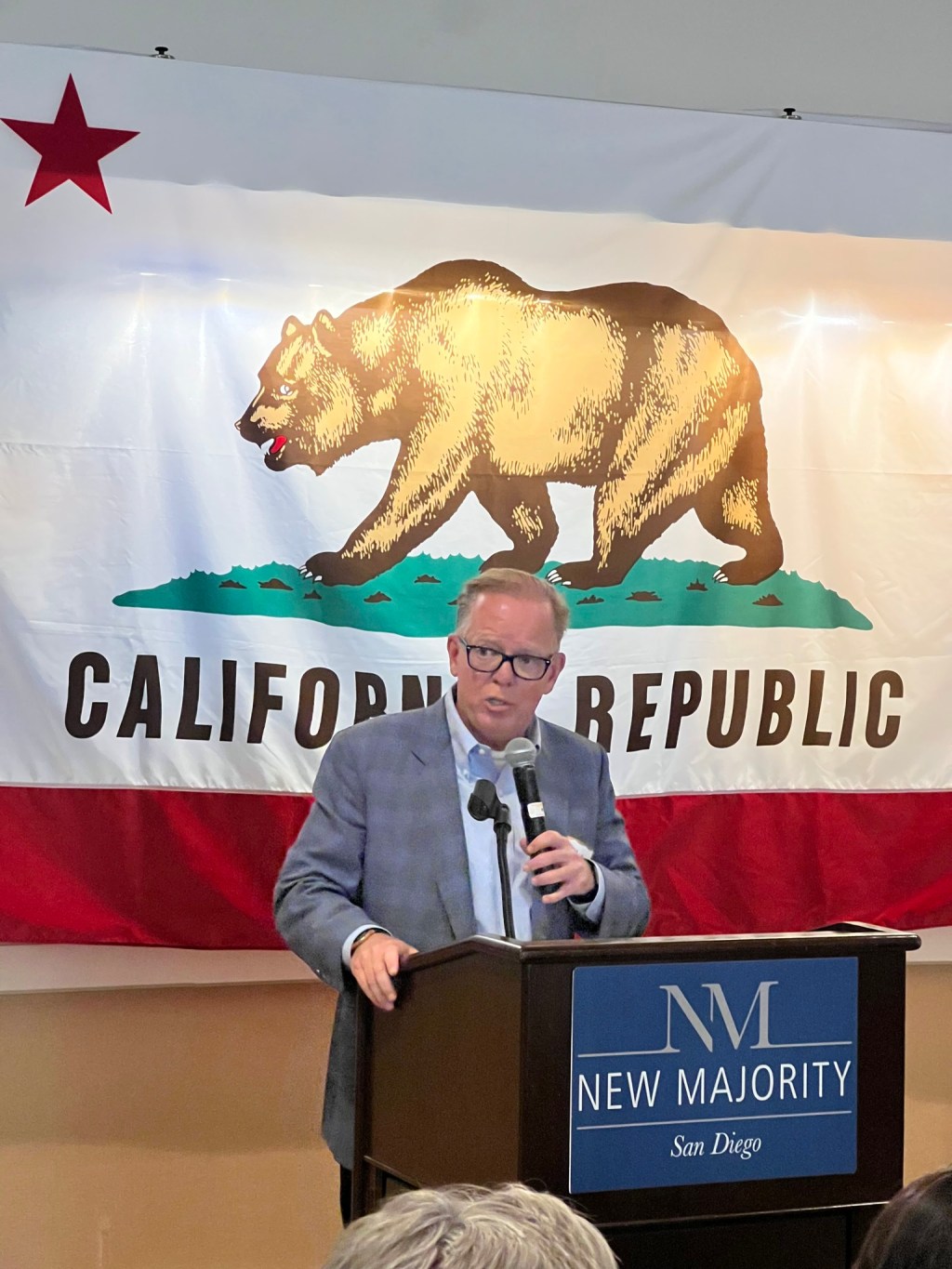
However, the costs have spiraled out of control. By 2025, the project had already reached $92 million, with projections of hitting $114 million. Taxpayers have already contributed $77 million, with a $21 million overrun. This has led to criticism from various quarters, including Herb Morgan, a candidate for state controller, who serves as California’s chief fiscal watchdog.
Morgan, an investment professional with nearly four decades of experience in financial markets, argues that the issue goes far beyond this single project. He points to other examples like the “train to nowhere” and excessive spending on homelessness initiatives, suggesting that the problem is systemic.
A Case Study in Sacramento’s Spending Habits
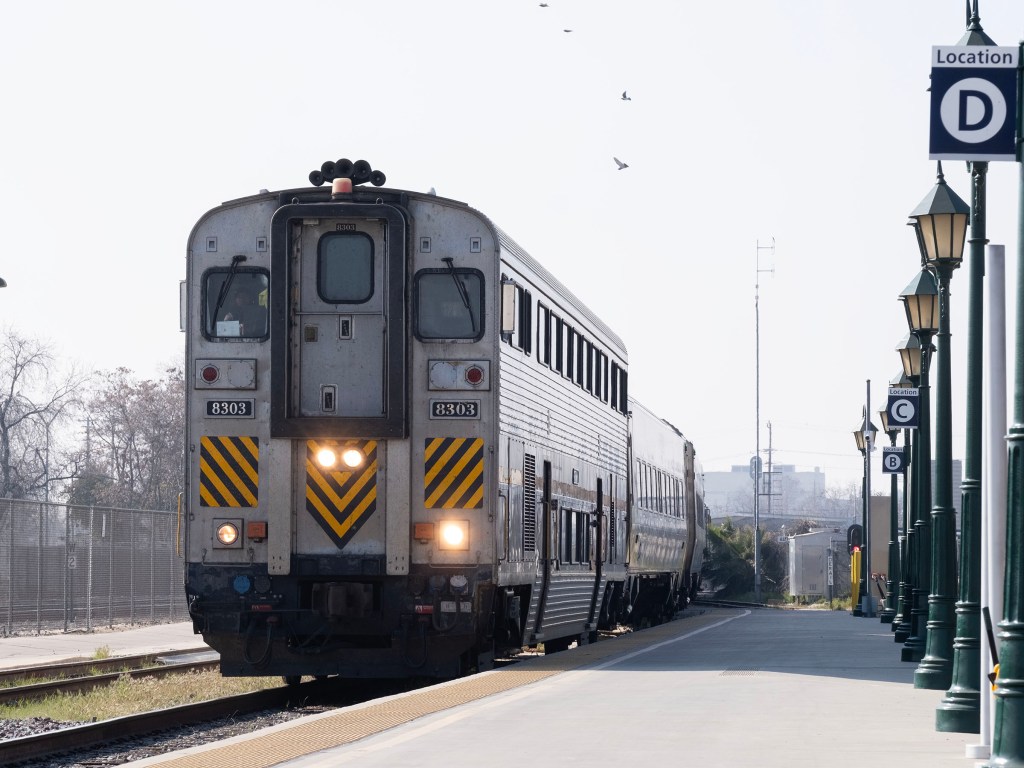
Morgan described the wildlife crossing as a case study in Sacramento’s runaway spending. “If it’s not the bridge, it’s the train to nowhere. If it’s not the train to nowhere, it’s homelessness spending,” he said. His comments come after a recent opinion piece by Christopher F. Rufo and Kenneth Schrupp, which highlighted the cost overruns and went viral.
While not dismissing the value of the wildlife crossing, Morgan focused on the price tag and lack of accountability. He argued that the project is the most expensive ever built in California and questioned whether such a high cost was necessary.
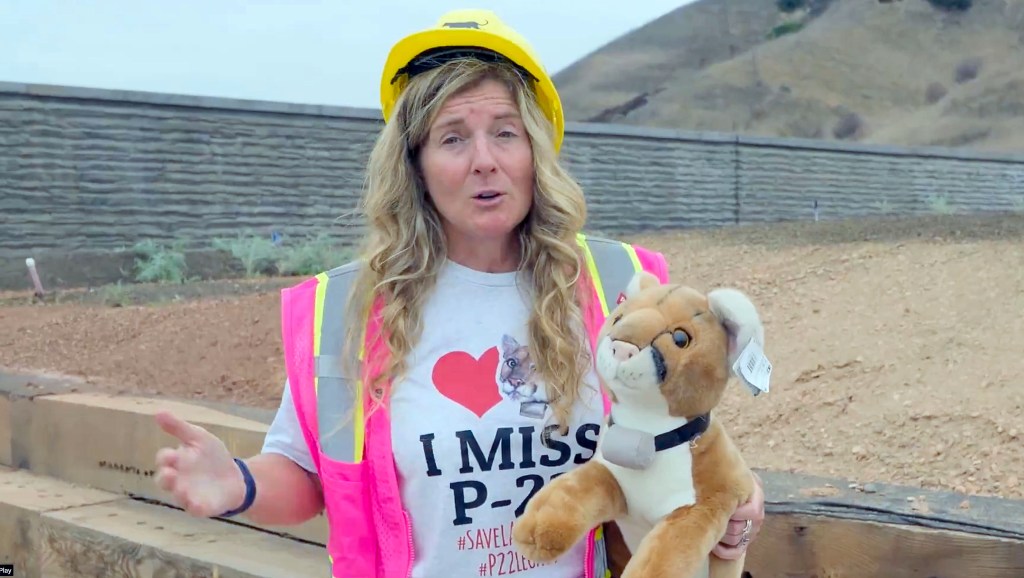
Beth Pratt, a spokeswoman for the Wallis Annenberg Wildlife Crossing and environmental activist, responded to the criticism by stating that the commentary missed key facts and painted an incomplete picture. She cited federal data showing a 67% increase in highway construction costs since 2021 and downplayed delays, citing setbacks tied to record flooding.
The Broader Issue of Oversight and Accountability
Morgan emphasized that the oversight gap is not limited to this single project but is a statewide issue. He pointed out that many recipients of state funds are operating without proper scrutiny. “We’re pretty good at pushing money out the door in California,” he said. “But what we fail to do is hold the recipients of that money accountable.”
He shared his conversations with mayors from mid-sized cities, who admitted they had never been audited or contacted by the State Controller’s Office. Similarly, he noted that nonprofits receiving state money often operate under the same radar. “I’ve talked to several NGOs,” Morgan said. “Never verify. Never required proof.”
In the private sector, Morgan explained, there is a rigorous process to ensure financial transparency. “In the private sector, if I’m on a board and serve on the audit committee, it takes six to eight months working with management and auditors to ensure the books are clean,” he said. “In the public sector, that doesn’t happen.”
A Call for Change
Morgan believes the authority to crack down on wasteful spending already exists, but it is not being used effectively. “What we lack is the will to stop theft,” he said. He pointed to fraud cases tied to public spending, arguing that the pattern is bigger than any one project.
“When I looked at recent cases, none were prosecuted by the state attorney general, all were federal,” he said. “On average, about 70% of the funds were taken.”
For Morgan, the wildlife crossing is more than just a bridge. It is a spotlight on a broken system where spending occurs first, and questions are asked later. “I’m sure labor agreements and special interests were all over that bridge project,” he said. “It’s a broken business model.”