TSA Official Warns Airport Security Crisis Will Worsen Before Improving
The Growing Crisis at Airport Security Checkpoints
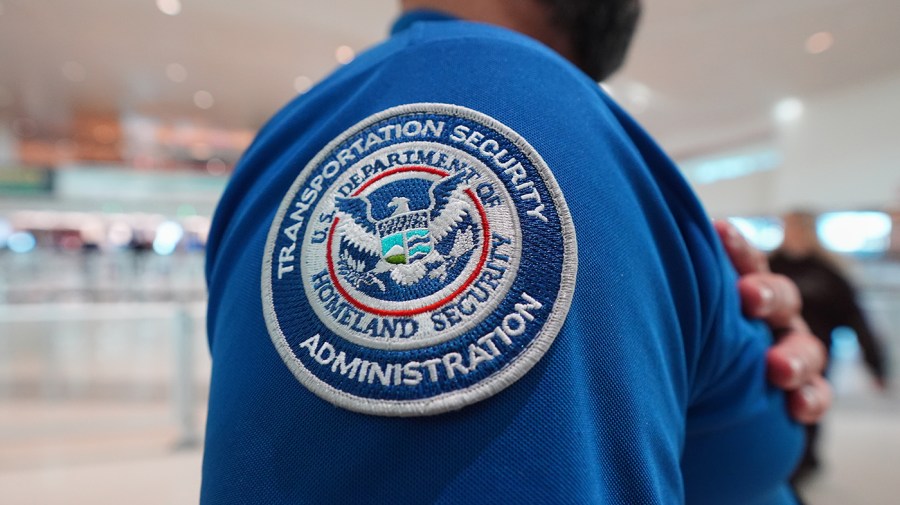
A senior official from the Transportation Security Administration (TSA) has issued a warning that the backlog at airport security checkpoints across the United States is expected to worsen before it improves. This comes as staffing challenges continue to strain the agency, particularly in light of the ongoing Department of Homeland Security (DHS) shutdown.
Acting Deputy TSA Administrator Adam Stahl spoke with NewsNation host Blake Burman, highlighting concerns about the increasing number of employees calling out sick or resigning due to the financial uncertainty caused by the shutdown. He emphasized that small airports may be disproportionately affected because they often have fewer lanes and fewer staff members.
Stahl noted that if a significant percentage of employees call out, the TSA might need to temporarily suspend operations at some smaller airports to maintain security standards. “If three or four out of 10 employees call out, we may have to temporarily suspend operations,” he explained. However, he avoided giving specific numbers on how many airports could be impacted, stating that the situation will vary from airport to airport.
Impact on Travelers and Airport Operations
The staffing shortage has already led to long lines at security checkpoints for passengers traveling through U.S. airports. Over 360 TSA officers have left the agency since the shutdown began in mid-February, according to the DHS. Callout rates have surged, with more than 50% of staff absent in Houston and 30% in New Orleans and Atlanta.
This crisis has forced the TSA to close several terminal checkpoints at large airports, including Philadelphia International Airport. Stahl advised travelers to “show up early” and check for updates from local airports and individual airlines to avoid delays.
The DHS shutdown, now in its fifth week, has become a political stalemate between Democrats and Republicans. Democrats are demanding stricter oversight of Immigration and Customs Enforcement (ICE) officers involved in immigration enforcement, while Republicans have blocked attempts to fund agencies like the TSA without including ICE and Customs and Border Protection.
Political Tensions and Their Consequences
Stahl criticized Congress for using the TSA as a bargaining chip in the funding dispute. “To hold an entire department hostage, particularly over policy concerns, is reckless and threatens the foundational job of Congress to fund the executive branch,” he said.
The situation highlights the broader implications of the shutdown on national security and daily operations. With no immediate resolution in sight, the TSA faces a challenging period as it tries to manage the growing backlog and maintain safety standards.
What Travelers Should Know
As the situation continues to evolve, travelers should stay informed about potential disruptions. Checking for updates from local airports and airlines can help mitigate the impact of longer wait times. Additionally, planning ahead and arriving early can make the travel experience smoother during this period of uncertainty.
The ongoing shutdown not only affects airport operations but also raises questions about the effectiveness of government funding processes. As the debate continues, the TSA remains under pressure to balance security needs with limited resources.
For more information on the latest developments, travelers are encouraged to follow news updates and stay connected through various media channels. The situation is fluid, and staying informed is crucial for navigating the current challenges in air travel.