Rising Attacks on Middle East Energy Sites Threaten US Economy, Experts Warn
Escalation of Conflict and Impact on Global Oil Markets
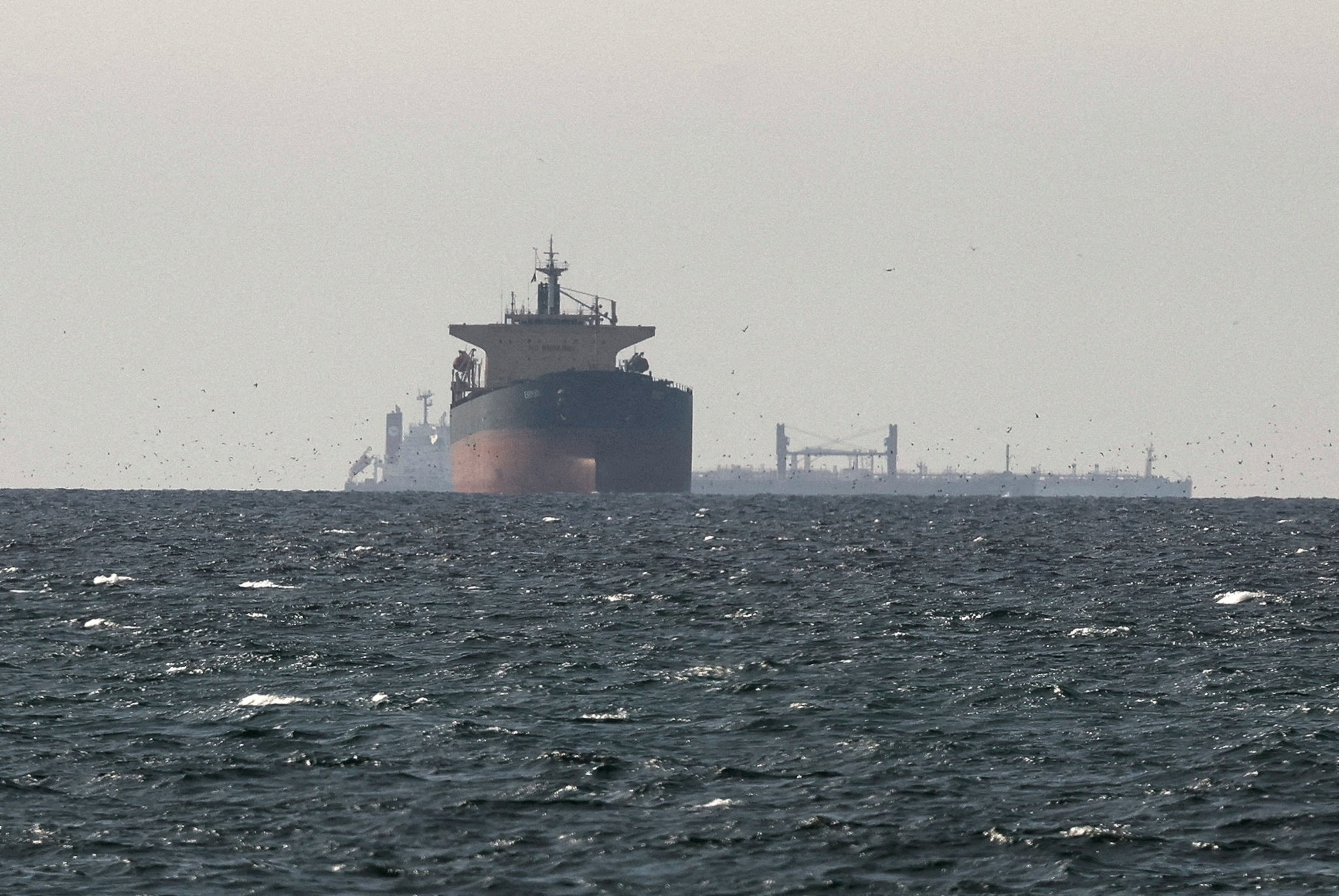
The ongoing conflict between the U.S. and Israel with Iran has led to a significant increase in gasoline prices, as hostilities have disrupted a critical waterway for global oil delivery. Shoppers are hoping for a quick resolution that would allow the Strait of Hormuz to reopen, potentially stabilizing fuel costs. However, recent tit-for-tat attacks on oil and gas facilities across the Middle East have made this recovery seem unlikely, as repairs could take months, further reducing fuel supplies.
Industry analysts warn that the prolonged disruption poses a serious risk to the U.S. economy. This comes at a time when households are already struggling with high inflation and a labor market that is nearly stagnant. The situation has also prompted the U.S. government to consider increased military presence in the region, with reports indicating that 2,200 more Marines and three Navy ships may be deployed.
Escalating Attacks on Energy Infrastructure
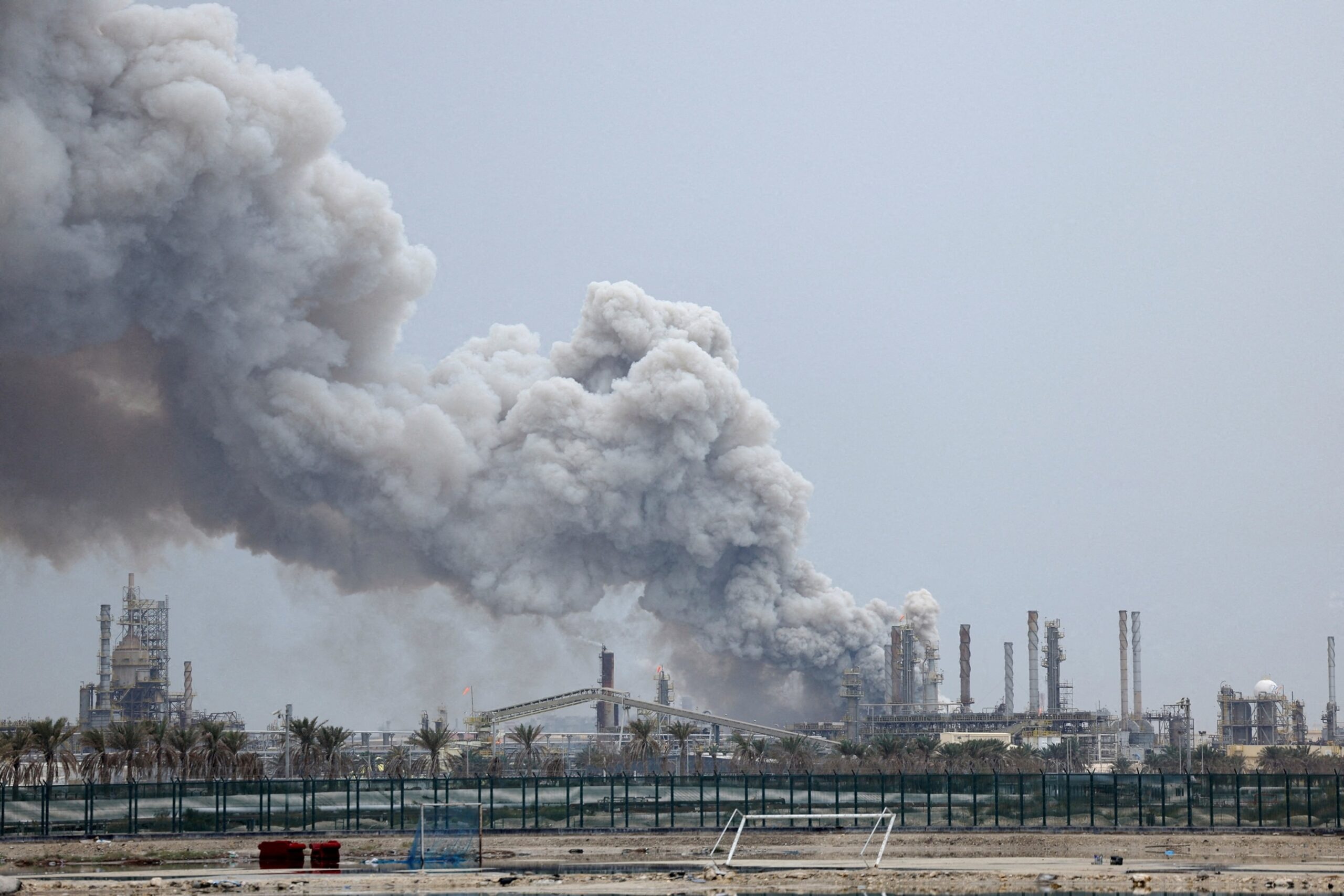
Professor Severin Borenstein from the University of California, Berkeley, emphasized that both sides have escalated their attacks on infrastructure, which he called “bad news for everyone.” Iran retaliated against Israel’s attack on its largest gas field by targeting vital energy infrastructure in nearby Gulf states. One of the most severe attacks was on the world’s largest liquefied natural gas (LNG) terminal at Ras Laffan in Qatar, marking the most serious assault on the country’s energy facilities since the war began.
In an effort to mitigate rising oil prices, the Trump administration has taken several measures, including releasing oil from the strategic reserve, easing sanctions on Russian oil, and suspending regulations on domestic oil transport. Despite these actions, global crude prices have surged to $119 per barrel, before settling around $109 by Friday afternoon. This represents a staggering 50% increase over the past month.
Rising Gas Prices and Economic Implications
U.S. gasoline prices have climbed to $3.91 per gallon, an increase of 98 cents over the past month, according to AAA data. The rise in diesel prices is particularly concerning, as it threatens to increase costs for groceries, clothing, and nearly every other product, given diesel’s central role in the U.S. supply chain.
Analysts warn that the continued attacks on oil infrastructure could lead to extended fuel shortages and prolonged inflation, placing additional strain on household budgets and slowing economic output. Timothy Fitzgerald, a professor at the University of Tennessee, noted that even if hostilities were to end immediately, it would still take time to repair damaged facilities and restore them to full capacity. The longer these input costs remain high, the greater the pressure on the overall economy.
Global Economic Risks
Inflation in the U.S. currently stands at 2.4%, which is slightly above the Federal Reserve’s target rate of 2%. While this represents a cooling from previous months, it remains a concern. Iran’s attack on Qatar’s LNG terminal at Ras Laffan threatened a facility that normally handles a fifth of the world’s liquefied natural gas. The Qatari Foreign Ministry condemned the attack, calling it a “dangerous escalation.”
According to QatarEnergy, the state-owned petroleum firm, the attack reduced Qatar’s LNG export capacity by 17% and resulted in an estimated $20 billion in lost annual revenue. Repairs are expected to take up to five years, further compounding the economic impact.
Iran also targeted energy sites in Israel, Kuwait, and the United Arab Emirates. Borenstein warned that such disruptions could slow down global economic output, as less oil and gas means fewer goods can be produced, leading to economic stagnation.
Long-Term Uncertainty and Economic Resilience
While the U.S. economy has greater resilience to global oil shocks due to its status as a net oil exporter, it remains sensitive to fluctuations in global supply and demand. Analysts caution that repairs at energy sites will likely not begin until hostilities cease and work sites can be secured. Ongoing political tensions could also drive prices higher even after the war ends and facilities are repaired.
Robert Weiner, a professor of international economics at George Washington University, highlighted the uncertainty surrounding future attacks. “Even if these facilities are rebuilt, there’s no guarantee they won’t be attacked again,” he said. “Going forward, that will raise the level of uncertainty.”