Iranian Strikes Cause $800M Damage at U.S. Bases, Analysis Reveals
Understanding the Impact of Iranian Strikes on US Military Infrastructure
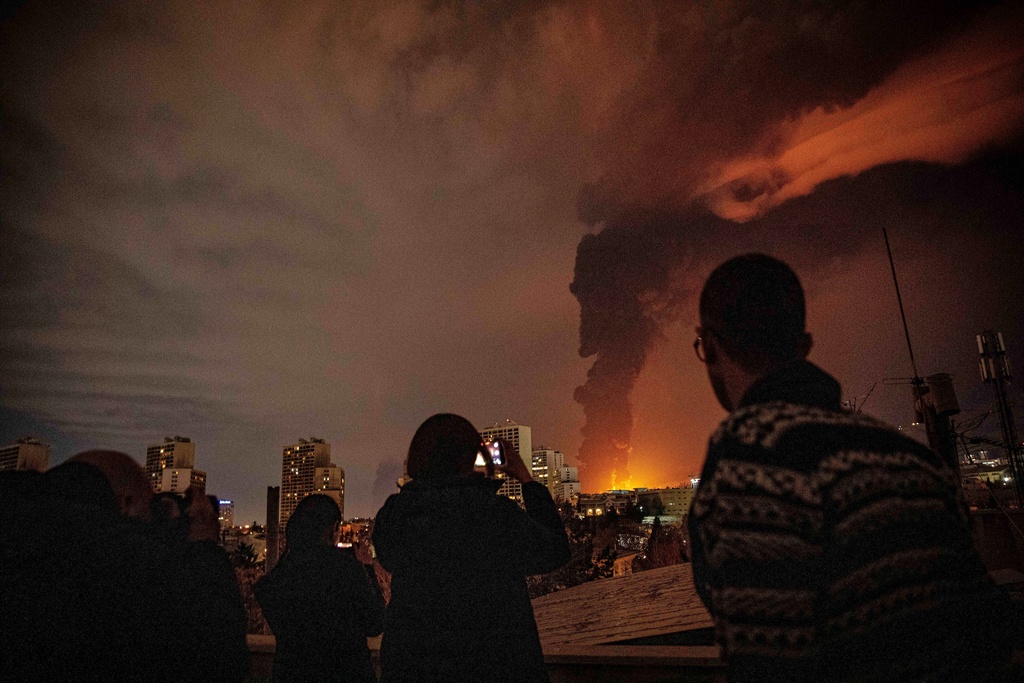
Recent analysis has revealed that Iranian strikes on military bases used by the United States in the Middle East have caused approximately $800 million in damage during the first two weeks of the conflict. This figure, higher than previously reported, highlights the significant financial toll the war is taking on the US.
The damage was primarily attributed to initial retaliatory strikes by Iran following the launch of the war by the US and Israel. A report by the Center for Strategic & International Studies (CSIS) and an analysis by Jendela Magazine indicate that much of the damage occurred in the first week after the conflict began.
While the full extent of the damage remains unclear, the $800 million in estimated damages to US military infrastructure offers a glimpse into the growing costs of the conflict. Mark Cancian, a CSIS senior adviser and co-author of the think tank study, noted that “the damage to US bases in the region has been underreported.” He added that while the damage appears extensive, the full amount will not be known until more information becomes available.
In response to requests for comment, the US Department of Defense referred inquiries to US Central Command, which is leading the war. Officials there declined to provide further details.
Targeting Key Assets
Iran’s retaliatory strikes targeted a range of US assets across the Middle East, including air-defence and satellite-communication systems. These attacks were carried out in countries such as Jordan, the United Arab Emirates, and others.
A significant portion of the damage was caused by a strike on a US radar system for the Thaad missile defence system at an air base in Jordan. According to a CSIS review of defense department budget documents, the AN/TPY-2 radar system costs approximately $485 million. This system is crucial for the long-range interception of ballistic missiles.
In addition to the radar system, strikes by Iran caused an estimated $310 million in damage to buildings, facilities, and other infrastructure on US bases and military installations in the region.
Repeated Attacks on Strategic Bases
An analysis of satellite imagery by Jendela MagazineVerify shows that Iran has struck at least three air bases more than once. These bases include Ali Al-Salim in Kuwait, Al-Udeid in Qatar, and Prince Sultan in Saudi Arabia. Fresh damage appeared during different phases of the conflict, indicating Iran’s focused efforts to target specific US assets.
According to reports, Russia has reportedly shared intelligence with Tehran on American military forces in the region. This collaboration may have contributed to the precision of Iran’s attacks.
Human Toll and Global Implications
The war has also taken a human toll. The US-based Human Rights Activists News Agency (Hrana) estimates that nearly 3,200 people have died, including 1,400 civilians. Additionally, 13 military service members have been lost since President Donald Trump joined Israel in launching attacks on Iran on 28 February.
Trump has claimed that the US is on track to achieve its goals of destroying Iran’s nuclear program, degrading its conventional military power, and ending the regime’s support for proxy groups in the region. At a recent White House event, he stated, “We’re doing extremely well in Iran.”
However, the conflict has had far-reaching effects on the global economy, particularly due to the near-closure of the Strait of Hormuz. There is also uncertainty about the duration of the conflict and whether Trump will deploy ground troops.
Challenges in Assessing Damage
Analysis of satellite imagery has been complicated by restrictions imposed by major US-based providers on the release of such data. Despite these challenges, patterns in Iran’s retaliatory actions against US military interests in the region can still be discerned.
Radar and satellite systems have been a primary target from the beginning, with Iranian strikes hitting a US naval base in Bahrain. These systems serve as the eyes and ears of modern military operations.
Satellite imagery has shown the destruction of two radomes—protective enclosures for sensitive equipment. While it is likely that the systems themselves were damaged, the extent of the damage cannot be fully determined.
Radar sites were hit at Camp Arifjan in Kuwait and Saudi Arabia’s Prince Sultan Air Base, where US aircraft are stationed. Imagery of the latter shows smoke rising from a radar component for a Thaad air-defence system.
More extensive damage to Thaad systems is evident at US bases in the UAE and Jordan. It is unclear what the cost of that damage was. The degradation of these systems reportedly led the US to redeploy Thaad components from South Korea to the Middle East.
Financial Burden of the Conflict
The damage from Iran’s retaliatory strikes accounts for only a fraction of the overall costs to the US for the war. Defense Department officials reportedly briefed members of Congress that the first six days of the war cost $11.3 billion. The first 12 days cost $16.5 billion, according to CSIS.
The Pentagon is seeking an additional $200 billion in funding for the war. Defence Secretary Pete Hegseth stated on Thursday that the figure “could move.” He remarked, “It takes money to kill bad guys.”
Ongoing Conflicts and Unresolved Issues
Jendela Magazine has visited the scene of an Iranian cluster bomb strike on Israel, highlighting the ongoing violence. Three Palestinian women were killed in a beauty salon during an Iranian missile attack.
Additionally, the UK has allowed the US to use its bases to strike targets in the Strait of Hormuz, further escalating tensions in the region.