Iran Warns of Global Attacks on Tourism and Recreation Sites Amid Gulf Tensions
Iran’s Escalating Threats and Regional Tensions
Iran has issued a series of alarming threats, warning that recreational and tourist sites around the world could be targeted by its military. This defiant statement was made just weeks after the start of US-Israeli strikes that have resulted in the deaths of several high-ranking Iranian officials and significant damage to the country’s weapons and energy sectors. The rhetoric from Tehran underscores a continued resolve to challenge its adversaries, despite the ongoing conflict.
The timing of these threats coincides with a period of heightened tension in the region. Iranians were celebrating Nowruz, the Persian New Year, which is traditionally a time of festivity. However, this year’s celebrations are more subdued due to the ongoing war. Meanwhile, many in the Middle East marked one of the holiest days on the Muslim calendar, adding another layer of complexity to the already volatile situation.
US Military Deployments in the Region
In response to the escalating tensions, the US military has announced the deployment of three additional warships and approximately 2,500 Marines to the Middle East. An official confirmed that the USS Boxer and two other amphibious assault ships, along with the 11th Marine Expeditionary Unit, have left their home port in San Diego and are heading toward the region. While the exact destination remains unclear, the move signals a significant increase in US military presence in the area.
Two other US officials confirmed the deployment, though they did not specify where the forces were headed. All three sources spoke on condition of anonymity, highlighting the sensitive nature of the operation. This deployment comes as the US continues to support Israel in its efforts to counter Iranian influence in the region.
Iran’s Continued Military Capabilities
Despite the extensive damage inflicted by the US-Israeli strikes, Iran has shown that it is still capable of launching attacks that disrupt global oil supplies and impact the economy. The country’s ability to maintain its missile production and conduct operations against energy infrastructure has raised concerns about the potential for further instability in the region.
Gen. Abolfazl Shekarchi, Iran’s top military spokesman, warned that “parks, recreational areas and tourist destinations” worldwide would not be safe for Tehran’s enemies. This statement has renewed fears that Iran may resort to using terrorist tactics beyond the Middle East to exert pressure on its adversaries.
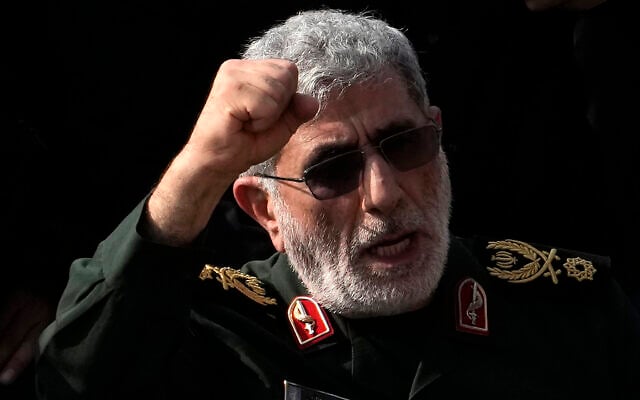
Meanwhile, Esmail Qaani, the commander of the Islamic Revolutionary Guard Corps Quds Force, praised Iran’s regional allies for their role in the conflict. This marks the first public remarks from Qaani since the war began, indicating a shift in strategy or leadership dynamics within Iran.
Attacks on Energy Infrastructure
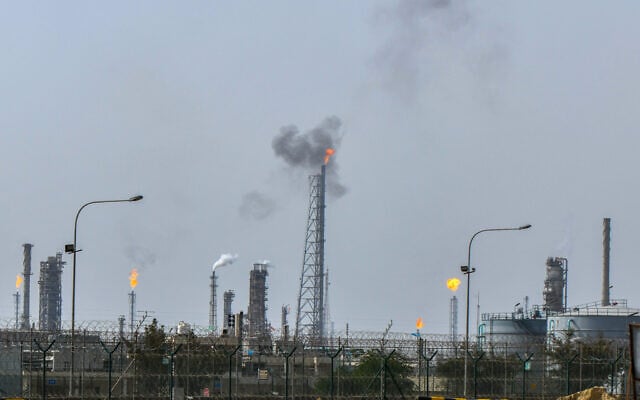
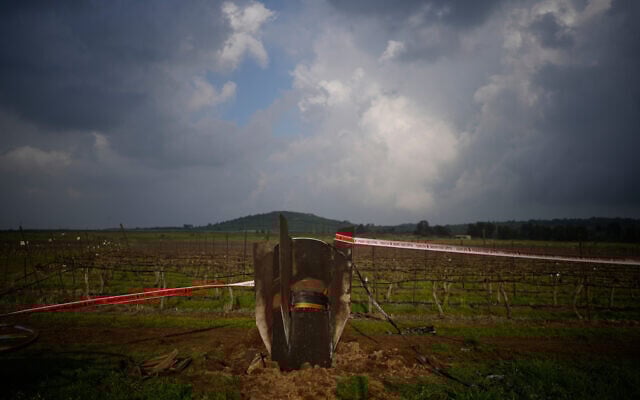
Iran has intensified its attacks on energy sites in Gulf Arab states following Israeli strikes on Iran’s South Pars offshore natural gas field. On Friday, two waves of Iranian drones attacked a Kuwaiti oil refinery, causing a fire at the Mina Al-Ahmadi refinery, one of the largest in the Middle East. The facility had previously been damaged in an Iranian attack earlier in the week.
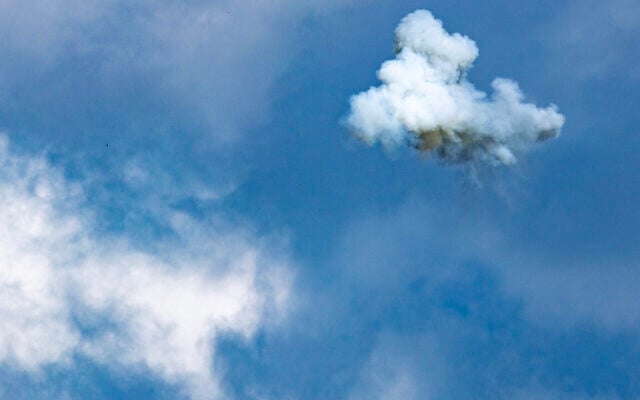
Bahrain reported a fire sparked by shrapnel from an intercepted projectile, while Saudi Arabia claimed to have shot down multiple drones targeting its oil-rich Eastern Province. In Dubai, heavy explosions shook the city as air defenses intercepted incoming fire. These incidents occurred during Eid al-Fitr, the end of the Muslim fasting month of Ramadan, adding to the challenges faced by residents in the region.
Global Economic Impacts
The ongoing conflict has significant implications for the global economy. Iran’s attacks on energy infrastructure in the Gulf, combined with its control over shipping in the Strait of Hormuz, have raised concerns about a potential energy crisis. The Strait of Hormuz is a critical waterway through which a fifth of the world’s oil and other essential goods pass.
Brent crude oil prices have surged, reaching around $108 per barrel, compared to roughly $70 before the war began. This increase has placed additional strain on economies already struggling with rising food and consumer goods prices. The disruption of key raw materials, such as helium and sulfur, could lead to shortages and further price hikes across various industries.
Rising Casualties and Humanitarian Concerns
The war has resulted in over 1,300 deaths in Iran, with Israeli strikes in Lebanon displacing more than 1 million people. According to the Lebanese government, over 1,000 people have been killed in the conflict, while Israel claims to have eliminated more than 500 Hezbollah operatives. In Israel, 15 people have been killed by Iranian missile fire, and four others were killed in the West Bank by an Iranian missile strike. At least 13 US military personnel have also lost their lives.
International Reactions and Strategic Challenges
The conflict has drawn criticism from various quarters, including former US President Donald Trump, who accused NATO allies of being “COWARDS” for not supporting the US in protecting the Strait of Hormuz. Trump’s comments reflect growing frustration among some US officials regarding the lack of international support for the war effort.
As the situation continues to evolve, the international community remains closely watching the developments in the Middle East. The potential for further escalation and the broader economic implications underscore the need for diplomatic efforts to de-escalate tensions and prevent further loss of life.
Conclusion
The ongoing conflict between Iran, the US, and Israel has created a complex web of political, military, and economic challenges. With Iran continuing to assert its military capabilities and threatening global targets, the situation remains highly unpredictable. As the war progresses, the focus will likely shift to how the international community can respond to the growing instability and ensure the safety of global trade routes and energy supplies.