U.S. Forces Confront Iran-Backed Militias in Iraq
Escalating Tensions in Iraq: U.S. Forces Respond to Iranian-backed Militias
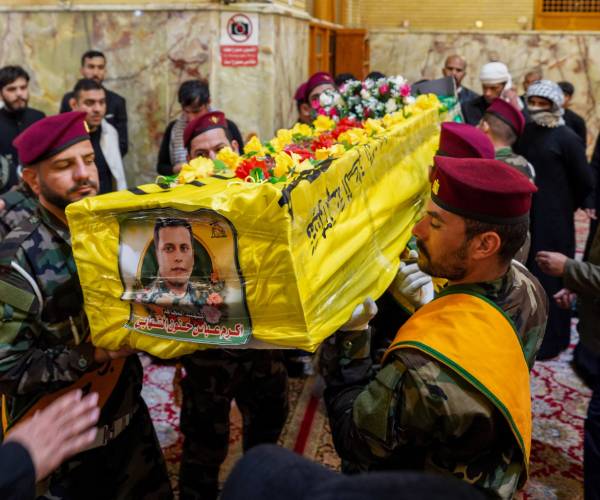
Iran-backed militias in Iraq have intensified their attacks on American troops, marking a new phase of conflict in the region. According to recent reports, groups such as Kataib Hezbollah have been launching rockets and drones targeting U.S. military assets. This escalation has prompted the U.S. military to take decisive action to protect its personnel and operations.
Navy Capt. Tim Hawkins, a spokesperson for U.S. Central Command, confirmed these developments to the Washington Examiner. He stated that U.S. forces have been responding to attacks from Iran-backed Iraqi militia groups since the start of Operation Epic Fury. “We will not hesitate to protect our people,” he emphasized.
Despite the ongoing attacks, a Central Command official noted that the Iraqi militias have not caused significant injuries to American forces. The threat posed by these groups has also had no impact on Operation Epic Fury, according to the official. However, the situation remains tense, with U.S. forces continuously monitoring the area.
Military Response and Strategic Measures
In response to the growing threat, Air Force Gen. Dan Caine, chairman of the Joint Chiefs of Staff, announced that American AH-64 Apache helicopters have been conducting strikes against the militias. These operations aim to suppress any potential threats and ensure the safety of U.S. personnel in Iraq.
U.S. officials have also accused Iran-backed militias of launching drone and rocket attacks on energy sites in northern Iraq. In response, Iraqi forces have increased their presence around major oil fields to prevent sabotage and protect critical infrastructure. The situation highlights the broader security challenges facing both the U.S. and Iraqi governments.
Regional Dynamics and Limited Responses
Other Iran proxy groups have remained relatively quiet in their responses to Operation Epic Fury. Neither Hezbollah nor the Yemen-based Houthis have engaged in direct attacks on U.S. forces since the war in Iran began on February 28. However, Hezbollah did launch rockets into southern Israel following the killing of Iran’s supreme leader, Ali Khamenei.
This shift in regional dynamics underscores the complex interplay between various actors in the Middle East. While some groups remain active in their opposition to U.S. presence, others have chosen a more cautious approach, possibly due to strategic considerations or internal divisions.
Economic Impact and Legal Measures
The ongoing military operations have had a significant economic impact on Iraq. According to two oil ministry sources who spoke to Reuters on March 20, Iraq has invoked a legal clause that allows it to suspend contractual obligations. This decision comes amid war-related disruptions that have made it impossible to export crude oil.
The disruption has severely affected Iraqi crude exports, cutting off the country’s primary revenue stream. As a result, officials have been forced to implement emergency contractual measures to manage the crisis. This development highlights the far-reaching consequences of the conflict, extending beyond military actions to economic stability.
Navigational Disruptions and Global Implications
The situation has also led to escalating military operations in the region, disrupting navigation through the Strait of Hormuz. This narrow waterway is a critical passage for global oil supply, with approximately 20% of the world’s oil passing through it.
The disruption has further complicated the already challenging environment for oil exports. With most Iraqi crude exports unable to move, the country faces significant financial strain. The situation underscores the interconnected nature of regional conflicts and their impact on global markets.
As tensions continue to rise, the international community remains closely watching the developments in Iraq and the broader Middle East. The actions of Iran-backed militias, the response of U.S. forces, and the economic repercussions all contribute to a complex and evolving scenario.