Drones Attack US Military Installations
Unidentified Drone Activity Sparks Concerns at U.S. Military Installations
Unidentified drone activity over sensitive U.S. military installations has become a growing concern, particularly as the United States continues to face challenges in its ongoing conflict with Iran. Recent incidents have raised alarms among defense officials and service members, highlighting potential vulnerabilities in national security.
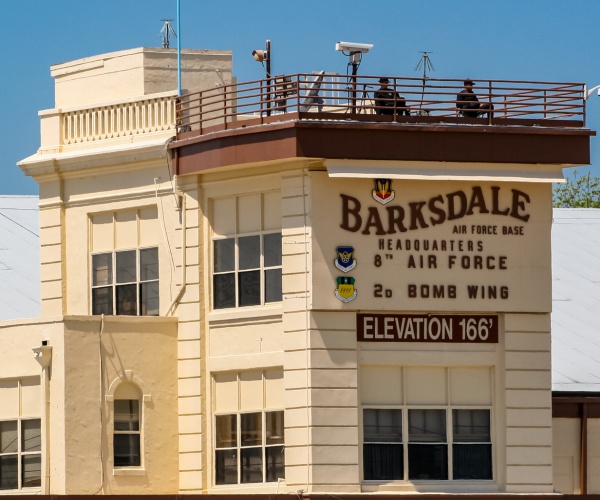
One such incident occurred at Barksdale Air Force Base in Bossier Parish, Louisiana. On March 9, service members were ordered to shelter in place after an unmanned aircraft was spotted overhead. Although the order was eventually lifted, the event marked the start of a series of drone incursions that continued for several days. The base, which houses a fleet of B-52 Stratofortress bombers, plays a crucial role in America’s strategic deterrent capabilities.
According to a confidential internal briefing reviewed by ABC News, multiple waves of drones were observed operating over sensitive areas of the installation between March 9 and 15, 2026. These drones reportedly displayed non-commercial signal characteristics, long-range control links, and resistance to jamming. They were seen flying over critical locations, including the flight line, before dispersing across the base.
The capabilities of these drones far exceed those of typical commercial devices, leading to concerns about potential surveillance operations or efforts to probe U.S. military defenses. This is especially worrisome given the current geopolitical climate, as American forces are actively engaged overseas.
The situation has prompted the Pentagon to increase its military posture in the Middle East. Additional naval assets and thousands of Marines have been deployed to the region, reflecting heightened tensions and a readiness to respond to any threats.
Drone activity is not confined to Louisiana. Reports indicate that several drones of unknown origin were also spotted over Fort Lesley J. McNair in Washington, D.C. This installation is home to top administration officials, including War Secretary Pete Hegseth and Secretary of State Marco Rubio. The sightings led to discussions about relocating Cabinet members as a precautionary measure.
Despite the concerns, Hegseth and Rubio remained at Fort McNair, which is located just 4 miles from the White House. Their decision underscores the importance of maintaining a visible presence at key government facilities, even amid rising security threats.
The conflict with Iran began on February 28 when U.S. and Israeli forces launched major strikes on Iran’s military infrastructure and senior leadership. In response, Tehran has carried out missile and drone attacks targeting U.S. positions, regional allies, and energy sites. These actions have contributed to increased volatility in global energy markets.
As the situation continues to evolve, the U.S. military is likely to face further challenges in safeguarding its installations and personnel. The emergence of advanced drone technology presents new risks that require innovative countermeasures and heightened vigilance.
Key Points:
- Barksdale Air Force Base: Experienced multiple drone incursions between March 9 and 15, 2026, raising concerns about potential surveillance or defense probing.
- Fort Lesley J. McNair: Drones were spotted over this high-profile installation, prompting discussions about relocating key officials.
- Pentagon Response: Increased military presence in the Middle East as tensions with Iran escalate.
- Global Impact: Iranian attacks have affected energy markets, highlighting the broader implications of the conflict.
With the threat landscape continuing to shift, the U.S. must remain vigilant and proactive in addressing emerging security challenges. The use of advanced drones represents a significant risk that requires coordinated efforts across all branches of the military and intelligence community.