
Cheap Gas Hacks in SoCal During Oil Price Surge
Understanding the Current Gas Price Crisis
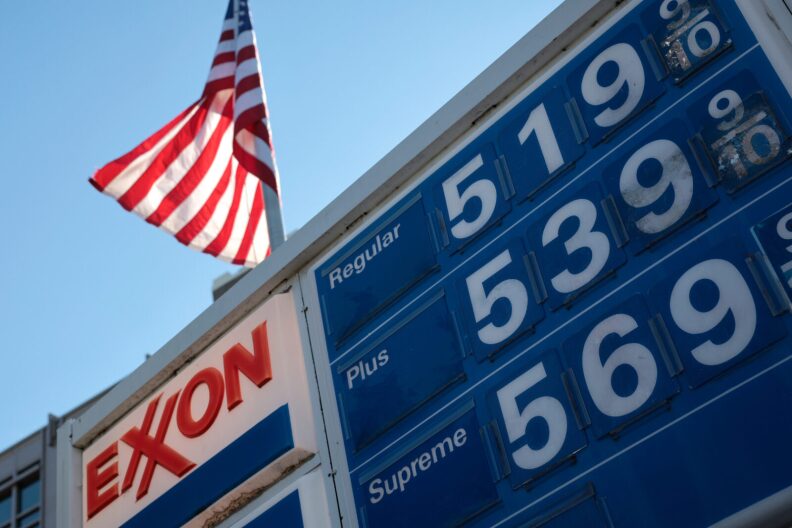
Drivers across the United States are feeling the pinch at the gas pump, with prices reaching record highs. California, in particular, is experiencing some of the most expensive fuel in the country. According to the American Automobile Association (AAA), the state is leading the nation in this surge, with regular-grade fuel prices in Southern California hovering around $5.75 or more. This has made every trip to the gas station feel like a financial burden.
The reasons behind these high prices are multifaceted and involve a combination of global events, local policies, and market dynamics.
Why Are Gas Prices So High?
One major factor contributing to the spike in gas prices is the ongoing conflict in the Middle East, specifically the U.S. war in Iran. This has disrupted oil shipments through the Strait of Hormuz, a critical supply route for global oil trade. As a result, oil prices have risen, which directly affects the cost of gasoline at the pump.
California is particularly vulnerable because it imports a significant amount of its oil from the region. Additionally, the state is currently transitioning to its summer blend of fuel, which typically results in higher prices due to changes in the chemical composition of the fuel. This transition, combined with California’s already high gas tax, exacerbates the price increases.
In areas like Los Angeles and Orange County, the situation is even worse. Kandace Redd, a spokesperson for AAA, explains that these regions face higher operating costs for gas stations, including rent, wages, and other expenses. These costs are often passed on to drivers, meaning that the higher the cost of living, the higher the price you’ll pay at the pump.
While there may be some relief on the horizon, it’s unclear when or how much of a reprieve drivers can expect.
Practical Tips to Save on Gas
If you’re looking to save money at the pump, here are some strategies that can help:
Don’t Wait to Fill Up
During normal times, filling up on certain days of the week can lead to savings. For example, a GasBuddy study found that Sundays were the best day to get gas in California, while Tuesdays were the worst. However, during periods of rapidly rising prices, waiting for a drop is not advisable. Prices tend to keep increasing rather than decreasing, so it’s better to fill up sooner rather than later.
Use GasBuddy’s 10 Top Lists
GasBuddy provides user-reported gas prices for stations near you. Here are some examples of their lists for Southern California:
- Top 10 Gas Station & Cheap Fuel Prices in L.A. County
- Top 10 Gas Station & Cheap Fuel Prices in Orange County
- Top 10 Gas Station & Cheap Fuel Prices in Riverside County
If you have a AAA membership, their mobile app also offers information on cheap gas nearby.
Avoid Stations in Certain Areas
To save money, avoid gas stations located in high-traffic areas such as airports, tourist hubs, or along freeways. Neighborhoods with fewer gas stations can be more expensive, so finding a location with competitive pricing is key.
Even the position of a gas station on the street can impact prices. Stations that are easier to access or located on busy streets may charge more due to higher customer traffic.
Maintain Your Vehicle
Beyond the pump, you can save on gas by taking care of your car. Here are some tips:
- Reduce your load: Clear out your trunk and remove any unnecessary items, such as roof racks. A heavier car uses more fuel.
- Maintain your vehicle: Keep your check engine light off and ensure your tires are properly inflated. Underinflated tires increase resistance and reduce fuel efficiency.
- Watch your speed: Higher speeds and aggressive acceleration use more gas. If your car has an economy mode, use it to improve efficiency.
- Turn off your engine: When your car is parked or stopped for long periods, turn off the engine to save fuel. Using air conditioning can also impact fuel usage, though the effect is smaller.
By implementing these strategies, drivers can better manage their fuel costs and navigate the current high-price environment more effectively.