
ICE Fails to Keep Families Together, Denies Care to Pregnant Deportees
Family Separation and Medical Neglect in US Immigration Detention
A recent report has shed light on the alarming treatment of parents deported from the United States by Immigration and Customs Enforcement (ICE). The findings reveal that families are being torn apart, with pregnant detainees facing severe neglect in terms of medical care. This issue has become increasingly prominent since the start of Donald Trump’s second presidential term over a year ago, as his administration has implemented stricter immigration policies nationwide.
The report, titled What About My Children: Family Separation Among Parents Deported to Honduras, was conducted by the Women’s Refugee Commission (WRC) and Physicians for Human Rights (PHR). It highlights the experiences of parents who were recently deported to Honduras, detailing the harsh realities they face when removed from the US. One of the most disturbing revelations is that many detained parents were not given the opportunity to decide where their children would go before being deported.
Under the ICE Detained Parents Directive, agents are required to ask parents if they have minor children when they are arrested. This allows them to make decisions about their children’s future if they are deported. However, the report found that “many were never asked” this crucial question, leading to the separation of families. Some parents were even separated from infants, including one mother who was separated from a baby less than two months old.
Impact on Children and Families
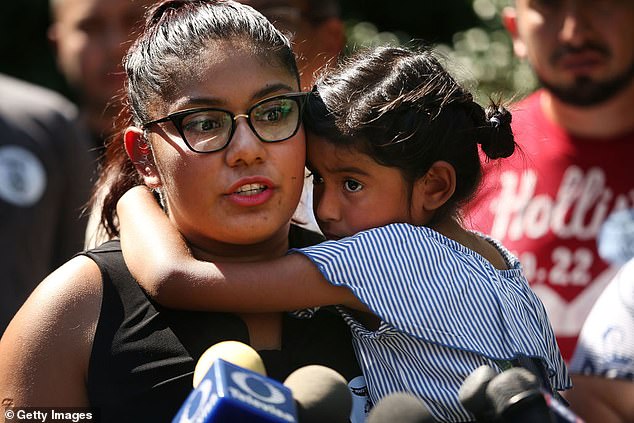
As a result of these separations, children are left in precarious or uncertain living conditions. Many are placed in the care of informal family members or friends, which can be unstable and unreliable. The report emphasizes that the lack of proper support systems for these children exacerbates the trauma of family separation.
Another critical finding from the report is the inadequate medical care provided to pregnant and postpartum women in detention. Despite ICE policy stating that such women should not be detained unless there are legal requirements or exceptional circumstances, many still face life-threatening situations without proper attention. For example, some women have experienced unattended miscarriages while in custody.
The report also highlights the emotional toll on these women. Many arrive at reception centers in acute emotional crisis, showing signs of tears and panic attacks. This indicates a deep psychological impact resulting from both the separation from their children and the neglect of their medical needs.
Case Studies and Statistics
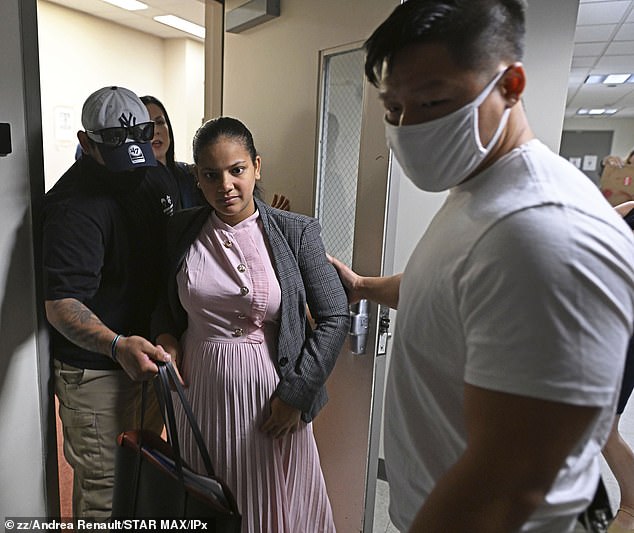
One particularly harrowing case involved a woman who was arrested outside a hospital alongside her three children after a medical appointment. She repeatedly informed federal officers that she had three other children at home, but her concerns were dismissed. As a result, the family is now split, with three children in Honduras and three left behind in the US.
According to the Department of Homeland Security (DHS), 363 pregnant, nursing, and postpartum women were deported between January 1, 2025, and February 16, 2026. These numbers highlight the scale of the issue and the urgent need for reform.
Medical workers have reported cases where pregnant women received no attention despite clear signs of distress. One example involved a 25-year-old woman who was about 13 weeks pregnant and started bleeding in the detention facility. Despite repeatedly informing guards of her condition, she received no medical attention until she arrived in Honduras. She was then transferred to a hospital due to an emergency condition.

Calls for Action and Reform
The report calls on Congress to take immediate steps to end the violations of ICE policies that lead to family separation and poor medical care for pregnant detainees. It also urges the provision of humanitarian aid to countries receiving deportees, with a focus on establishing reunification and family tracing programs to meet the needs of returning nationals.
Additionally, the report suggests that countries receiving deportees should create systems to assist separated parents and children. These systems should prioritize vulnerable populations, including women, children, and those who have been torn away from their families.
The findings of this report underscore the urgent need for reform in how the US handles immigration detention, particularly for pregnant women and families. Without significant changes, the cycle of separation and neglect will continue to affect countless lives.