
Rising Utility Rates Aim to Fix Rocky Mount’s Financial Crisis
Rocky Mount Faces Financial Crisis with Proposed Rate Hikes and Service Cuts
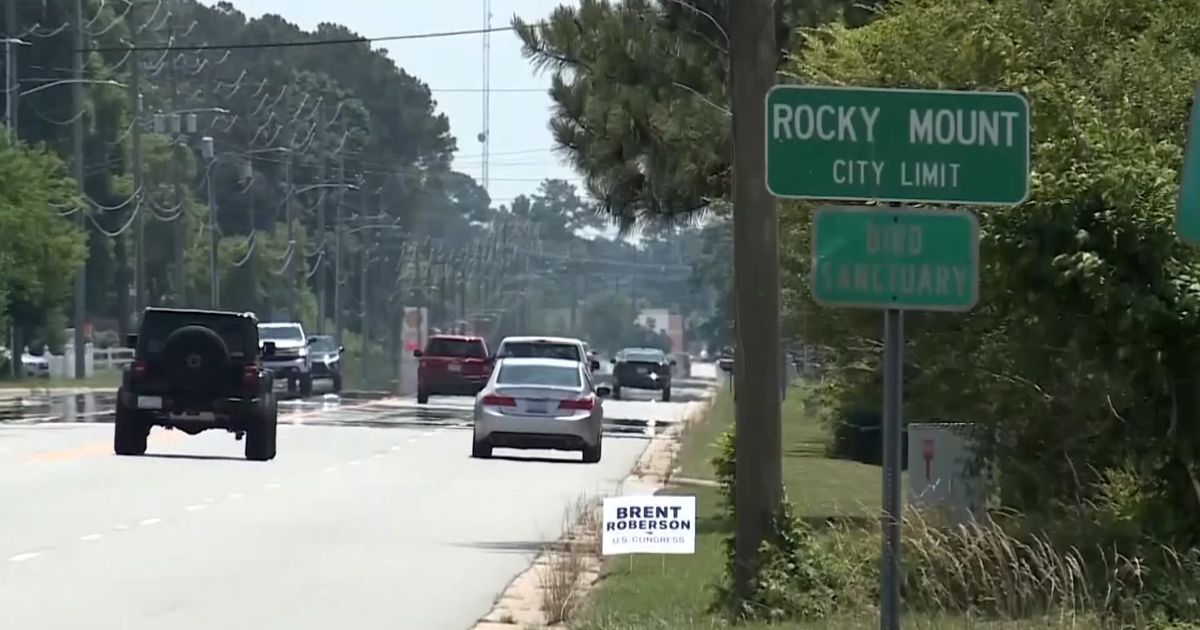
Rocky Mount is facing a significant financial crisis, and the city is now considering new strategies to address its economic challenges. In a recent special city council meeting, officials began discussing ways to generate additional revenue and implement necessary spending cuts. These discussions are part of an ongoing effort to stabilize the city’s finances after a state-led audit revealed that former City Manager Keith Rogers Jr. operated without proper oversight for years.
The audit highlighted a lack of accountability in the city’s financial management, prompting officials to explore various options to balance the budget. One of the most immediate proposals involves increasing utility rates for residents. The plan includes raising residential electric rates by $18 to $19 on average, gas rates by $15 for three months, and sewer and water rates as well. These increases are expected to provide much-needed funds to support the city’s operations.
A vote on the budget proposal will take place during a meeting on Monday, marking a critical step in the city’s financial recovery plan. However, the proposed changes come at a time when many essential services are also under threat. While the recreation center will remain untouched, several non-profits that rely on city funding are at risk of losing their support.
Impact on Local Shelters and Community Services
One of the most affected organizations is United Community Ministries (UCM), which operates two shelters in the area—one for families and another for adults. These shelters are among the few available options for families in this region, providing a safe space for children of all ages and genders to stay with their parents.
“We’re not going to throw in the towel. We’re doing everything we can to try to keep these facilities open,” said Linda Brinson, the executive director of UCM. She emphasized the importance of the shelters in preventing homelessness and ensuring that families have access to basic needs.
The Bassett Center, another critical resource, serves as the last stop for unhoused families seeking to stay together. This helps prevent children from entering the foster care system. Brinson warned that if the shelter were to close, it could lead to an increase in homelessness and crime in the community.
Beyond the shelters, UCM provides a range of services, including brown bag dinners, a food pantry, a soup kitchen, and assistance with housing and life skills. However, the organization faces significant challenges after learning that it will lose half of its city-funded budget.
“We’re working on a plan. When we lose the funding, not if, what are we going to sustain? Is there any part of United Community Ministries that we can sustain?” asked Cindy Worthy, chairman of the board. The organization plans to launch a campaign to raise $300,000, but they recognize the difficulty of doing so without city support.
Broader Financial Challenges and Layoffs
The city’s financial struggles extend beyond just the shelters. Earlier this year, officials estimated that the city needed to reduce spending by at least $30 million over a 10-month period. By October, the city had already announced that it would need to lay off about 100 employees. During the recent council meeting, layoffs and furloughs were again discussed as potential solutions.
Proposed spending reductions for this year include suspending a 3% contribution to city employees’ 401(k) plans in April 2026, eliminating downtown grants, suspending city-hosted public events, renegotiating agreements for major downtown investments, and cutting nonessential travel funded by the city. Department-identified reductions to operating accounts are also being considered.
Councilmember Reuben C. Blackwell described the efforts as a phased approach, but he emphasized that tough decisions are becoming increasingly necessary. “The strategies that are incorporated have been done in consultation with the state,” he said. “They made it very clear to us that we either do what we need to do or they’ll come in and do it for us.”
Councilmember Tom Harris echoed this sentiment, stressing the urgency of the situation. “I do not want the LGC (Local Government Commission) to come here, none of us do, but if they do, there’s going to be worse decisions that are going to have to be made,” he said. “It’s incumbent upon us as a council to go and find where we can save money, and we’ve got to raise some revenue, and I hate that, personally, I hate that.”