Targeting Gulf Energy Infrastructure Threatens Long-Term Disruption
Escalating Attacks on Gulf Energy Infrastructure
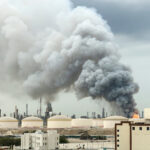
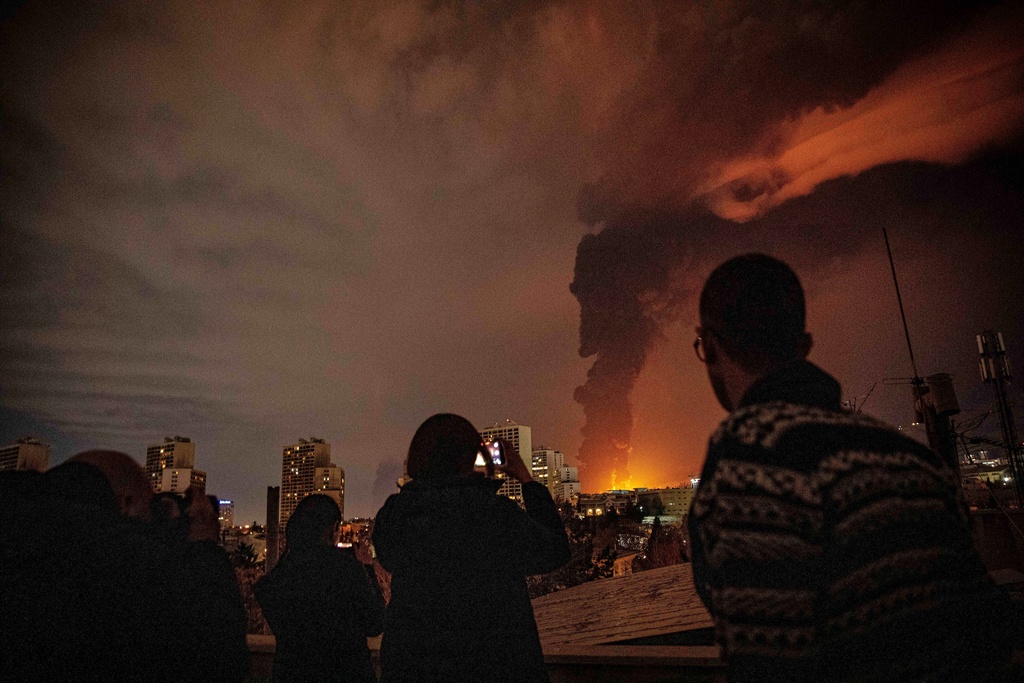
Escalating attacks on critical oil and gas facilities in the Persian Gulf have raised concerns about prolonged price increases across various sectors, including gasoline, electricity, computer chips, and food. These attacks are part of a growing conflict between Iran and Israel, with both sides targeting key energy infrastructure.
Impact on Global Markets
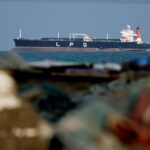
The ongoing conflict has disrupted the flow of oil and gas through the Strait of Hormuz, one of the world’s most important shipping lanes. This disruption has led to reduced production at oil wells and halted tanker traffic, creating significant challenges for energy distribution. Even if the strait becomes safe for tankers, it will take time for oil and gas to resume flowing due to the complexity of restarting refineries and other facilities. If the infrastructure is damaged, the recovery period could be even longer.
Effects on Asia
Asia has been particularly hard hit by these disruptions, as most of the oil and gas exiting the strait is transported there. In the Philippines, government offices are now open only four days a week, and there are directives to limit the use of air conditioning. Similarly, Vietnam has encouraged people to work from home to conserve energy.
Broader Supply Chain Concerns
The impact of the attacks extends beyond oil and gas. Key raw materials such as helium, used in making computer chips, and sulfur, a raw material in fertilizer, have also been affected. These shortages could lead to higher prices for goods throughout the supply chain.
Targeted Infrastructure
Several key refineries, terminals, and other infrastructure have been targeted in the attacks:
South Pars Gas Field, Iran
South Pars is the world’s largest natural gas field, split between Iran and Qatar. The portion controlled by Qatar is called North Field. South Pars supplies the bulk of natural gas used in Iran. An Israeli strike at facilities connected to the field led to Iranian threats to attack oil and gas sites in other Gulf countries. U.S. President Donald Trump warned that if Iran continued striking Qatar’s energy infrastructure, the U.S. would retaliate and “massively blow up the entirety” of the field.
Ras Laffan Liquefied Natural Gas Terminal, Qatar
This is the largest LNG export facility in the world and suffered “extensive” damage when attacked by Iran. It had already been shut down by state-owned QatarEnergy following a drone strike. The attack has dealt a severe shock to global energy markets because Qatar produces 20% of the world’s liquefied natural gas.
Kharg Island, Iran
This is a tanker terminal that handles almost all of Iran’s crude exports. Some tankers have continued to load there, with some Iranian oil leaving the Gulf through a “dark fleet” of tankers that use false location signals and obscure ownership to evade sanctions.
East-West Pipeline, Saudi Arabia
Saudi Aramco’s pipeline allows the country to continue exporting a substantial portion of its oil. However, the pipeline lacks capacity to fully make up for the Hormuz closure. Saudi Arabia said its SAMREF refinery at Yanbu was hit, raising concerns about the ability to export oil through the port there.
Fujairah Oil Terminal, United Arab Emirates
A key terminal for oil tankers on the Gulf of Oman, it enables Abu Dhabi to export a significant share of its oil without sending it through the Strait of Hormuz. It has been disrupted by two strikes but has reportedly resumed operations.
Mina al-Ahmadi and Mina Abdullah Refineries, Kuwait
Following a drone attack, fires at the facilities were extinguished. Refineries are key to Kuwait’s oil production, and restarting them is extremely time-consuming for safety reasons.
Port of Salalah and Gas Products Facility, Oman
Salalah is the site of an $800 million facility that produces liquid petroleum gas for export to Asia. Operations were suspended as a precaution after drone strikes.
Shah Gas Field, Abu Dhabi
The site supplies about 20% of Abu Dhabi’s natural gas and is a major supplier of sulfur extracted from gas. Operations were suspended due to a drone strike.