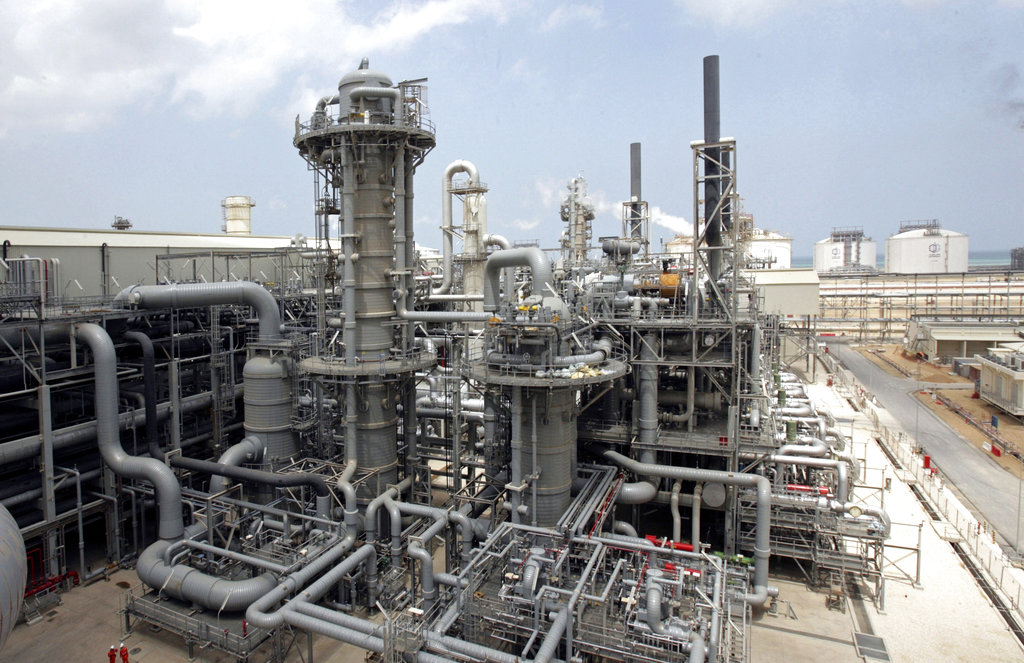
Perilous Threat: Attacks on Qatari LNG Sites Endanger Global Supply
Escalation of Conflict in the Middle East
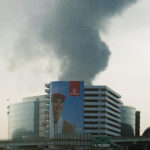
A series of retaliatory strikes by Iran against Qatar’s liquefied natural gas (LNG) infrastructure have led to a sharp increase in global energy prices, raising concerns about supply stability in both Europe and Asia. The attacks occurred on Wednesday, marking a significant escalation in the ongoing conflict in the Middle East. Israel was reported to have conducted attacks on Iran’s South Pars gas field, prompting Iran to retaliate with strikes on QatarEnergy, Qatar’s state-owned energy company.
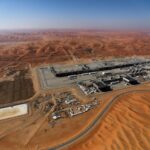
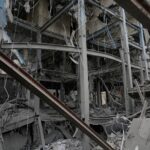
QatarEnergy confirmed that the attacks caused “extensive further damage” to its LNG facilities located in Ras Laffan Industrial City. According to the company’s CEO, Saad al Kaabi, the attacks disrupted nearly 17% of Qatar’s export capacity, leading to an estimated $20 billion in lost annual revenue. Kaabi expressed shock at the situation, noting that Qatar, a Muslim country, had been attacked by another Muslim nation during the holy month of Ramadan.
Global Supply Concerns
The strikes have raised serious concerns about global LNG supply, as Qatar plays a crucial role in supplying energy to both Europe and Asia. In 2022, the country exported more than 70% of its production to Asia and 25% to Europe. Natasha Fielding, head of gas pricing in Europe at Argus, emphasized that Ras Laffan is the world’s largest LNG export plant, accounting for almost 20% of global LNG supply.
Fielding warned that the damage at Ras Laffan could shift the energy security crisis from temporary supply loss to more permanent disruption. She stated that the global LNG market will need to adjust to a lower supply pool, which may lead to demand destruction. This situation is compounded by the scarcity of other commodities, making it difficult for European industries to switch to alternative fuels like fuel oil and LPG or for gas-guzzling fertilizer plants to rely on imports instead of domestic production.
Impact on Global Markets
At the beginning of the war in Iran, Iranian drones targeted QatarEnergy facilities in Ras Laffan and Mesaieed. Since then, the energy company has suspended production and declared force majeure on exports. Prices in Europe surged following the attack, with Dutch TTF prices opening at about $83 per megawatt-hour after ending under $64 per MWh. As of Thursday afternoon, the price fell back under $74 per MWh.
Fielding noted that while Europe does not face immediate supply issues, the key concern lies in restocking for the next winter. If Europe cannot secure enough LNG to replenish its gas stockpiles, it could be exposed to potential supply shortages during peak winter periods.
Alternative Energy Sources
Ramanan Krishnamoorti, a professor at the University of Houston, highlighted that the attacks will harm natural gas supply and liquefaction capacity, prompting Europe, India, and China to seek alternative sources. He also mentioned the potential implications for the United States, which has abundant natural gas, a growing liquefaction complex, and a short round trip time to Europe.
Krishnamoorti suggested that China and India may turn to Russian and Australian gas as primary suppliers, placing additional pressure on Japanese and Korean energy markets. Unlike Europe and Asia, U.S. natural gas prices have not been directly affected by the strikes due to the country’s domestic production and lack of imports from the region. The U.S. is the world’s top LNG exporter.
Geopolitical Implications
Despite the U.S. not being directly affected by the strikes, the conflict in Iran has led to soaring global energy prices. The Strait of Hormuz, a critical trading route off the coast of Iran, has remained effectively closed, causing oil prices to surge. The Trump administration has taken several measures to ease oil prices at home, including waiving a federal statute that prevents foreign ships from transporting oil between U.S. ports, offering insurance to ships on the strait, and considering U.S. Navy escorts for tankers in the region.
President Donald Trump warned on social media that further attacks against Qatar’s LNG facilities would result in retaliation against Iran’s South Pars gas field. He emphasized that the U.S. had no prior knowledge of the attack and that Qatar was not involved. Trump added that any Iranian strike on Qatar would trigger U.S. action regardless of Israeli involvement.