Soldiers Banned From Wearing Uniforms Amid Iran Tensions
Military Bases on American Soil Implement New Security Measures
In response to rising threats and the ongoing conflict in the Middle East, military bases across the United States have implemented new security measures. These include restrictions on service members wearing their uniforms off base. The move comes as concerns grow over potential retaliatory attacks against U.S. troops.
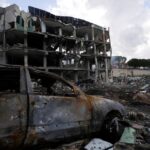
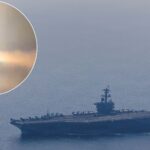
Following the initial joint attacks by the United States and Israel on Iran on February 28, U.S. bases in the Middle East faced heavy fire from Iranian missiles and drones. This resulted in the deaths of seven U.S. soldiers stationed in Kuwait and Saudi Arabia. Additionally, six soldiers were killed in an air tanker crash in Iraq, and at least 200 have been wounded across the region.
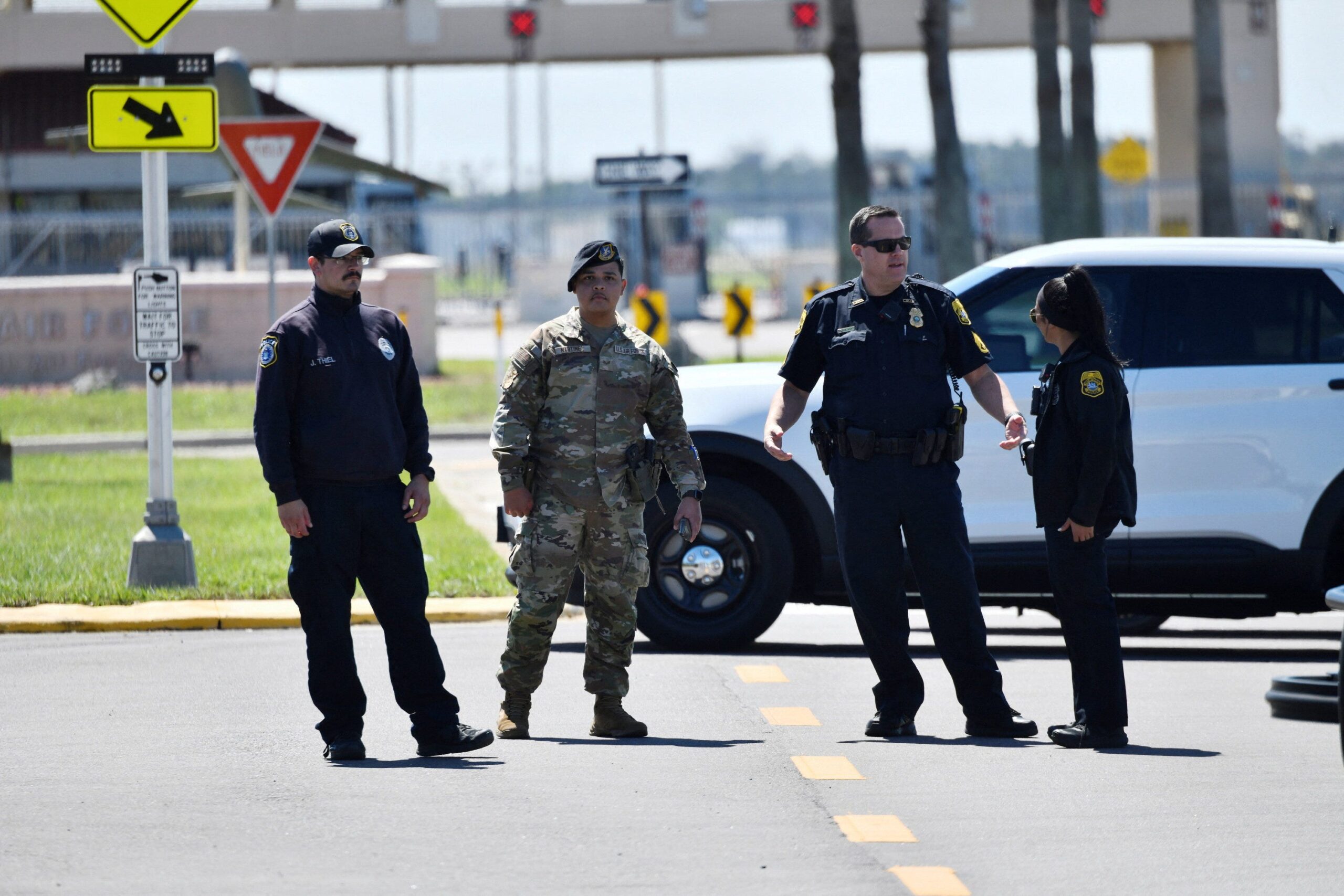
The threats have not been limited to the war zone. Reports of active shooters, suspicious packages, and other unidentified threats have led to closures and heightened security at U.S. military bases. Since the war began, a growing number of bases in the continental United States have tightened security, banning visitors and requiring service members to change out of uniform when they leave the premises.
Recent Incidents at U.S. Bases
On March 16, a report of a suspicious package near an entrance gate at Tampa’s MacDill Air Force Base prompted a gate closure. The FBI later stated that “possible energetic materials” were found inside the package. Two days later, a shelter-in-place order was issued due to an unidentified targeted threat. MacDill is the headquarters of U.S. Central Command, which leads operations in the Iran war. It remains unclear if these threats are related.
On March 17, officials at Joint Base McGuire-Dix-Lakehurst in southern New Jersey reported finding “suspicious packages” on the base, leading to a lockdown. They later determined the packages did not pose a threat. That same day, Holloman Air Force Base in New Mexico went into lockdown after reports of an active shooter. A military veteran was killed and an active-duty service member was injured.
While it is unclear if these incidents are linked to the war in the Middle East, several separate U.S. attacks since the war began, including a shooting at a Virginia Reserve Officers’ Training Corps (ROTC) class, are being investigated as terrorism. Lt. Col. Brandon Shah, a class instructor, was killed on March 12 when a man who had served in prison for colluding with the Islamic State opened fire on an ROTC class at Old Dominion University in Norfolk.
Uniform Bans for Soldiers Off Base
In response to the increased security concerns, some military installations have banned service members from wearing their uniforms off base. Fort Huachuca, an Army base in Arizona, received an order on March 13 prohibiting soldiers from wearing uniforms away from the base “to ensure force protection efforts align with current global events.” The order applies to all off-post activities, including dining, shopping, and appointments.
The Army’s Combined Arms Command issued a similar order, stating that the measure is intended to reduce visibility and is not in response to any specific or credible threat. The Pentagon referred questions about these bans to U.S. Northern Command, which said there was no across-the-board ban at U.S. bases.
A temporary ban was also issued at Shaw Air Force Base in South Carolina on February 28, though it was rescinded on March 15. The Navy declined to confirm if it had banned the use of uniforms off base but mentioned implementing additional force protection measures, including changes to uniform policies in specific situations.
Recent Attacks Connected to the Middle East Conflict
Recent attacks in the U.S. have reportedly had connections to the ongoing war in the Middle East. A gunman who killed two people and injured more than a dozen others at a bar in Austin on March 1 was seen wearing an Iranian flag shirt. Less than two weeks later, Ayman Mohamad Ghazali, 41, slammed his truck into a Michigan synagogue and exchanged fire with police before being killed. According to local leaders, Ghazali’s family members in Lebanon had been killed days earlier in Israeli attacks.
Uniform Bans in Past Conflicts
Steve Gabavics, a retired Army colonel, noted that threats to bases have increased by 10 to 15% due to the Iran war. He explained that such security measures are not new, having seen similar actions during previous conflicts. “I’ve seen it every time we’ve had a major international conflict,” he said.
Gabavics highlighted the greater threat from “lone wolf” attackers inspired by ideology. Last November, two uniformed National Guard soldiers were shot near the White House. Sarah Beckstrom, a 20-year-old from West Virginia, was killed, and another soldier suffered serious wounds. Rahmanullah Lakanwal, a 29-year-old Afghan man arrested for the shooting, had worked with violent, CIA-backed “zero units” during the U.S. occupation of his country.
Service members in uniform do “create a target,” Gabavics said. “We’re trying to prevent having an easy target for somebody who does want to do something like this.”