Energy Prices Soar as Iran Attack Threatens Qatar’s LNG Exports
Global Energy Markets Face Unprecedented Crisis
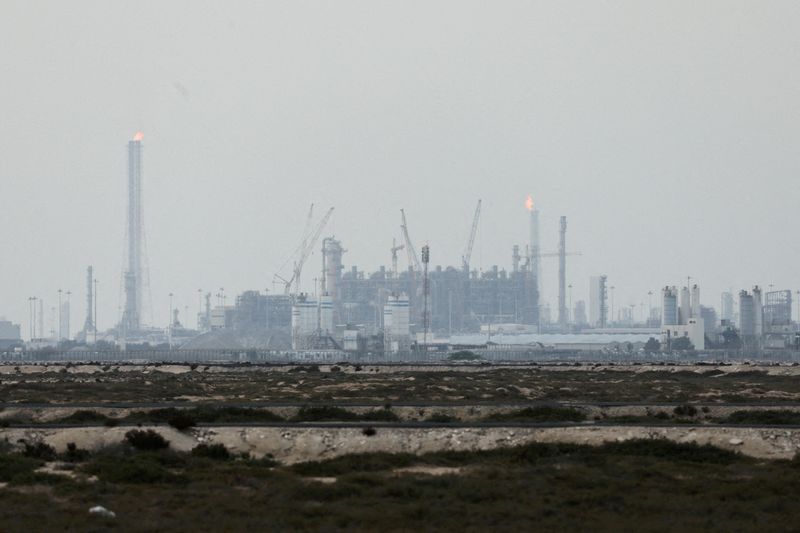
Energy prices have experienced a significant surge following an attack on the world’s largest liquefied natural gas (LNG) complex in Qatar. The incident, attributed to Iran, has caused substantial damage that could take up to five years to repair. This development has raised concerns within the energy sector, as it marks a realization of some of the worst fears regarding the ongoing conflict between the U.S., Israel, and Iran.
Impact on Qatar’s LNG Exports
QatarEnergy CEO Saad al-Kaabi revealed that the state-owned gas company might need to declare force majeure on long-term contracts with Belgium, China, Italy, and South Korea. The attack destroyed two LNG trains, potentially reducing Qatar’s liquefied natural gas exports by around 17% for a period of three to five years. Gas prices in Europe saw a sharp increase of up to 35% on Thursday, while oil prices jumped as much as 10%, although these gains were later reduced by mid-afternoon.
Al-Kaabi expressed his disbelief at the situation, stating, “I never in my wildest dreams would have thought that Qatar would be – Qatar and the region – in such an attack, especially from a brotherly Muslim country in the month of Ramadan, attacking us in this way.”
Escalation of Regional Conflict
Analysts suggest that Israel’s attack on Iran’s South Pars gas facilities and the subsequent retaliatory strike on Qatar’s Ras Laffan plant represent a major escalation in the conflict. Saul Kavonic, an energy analyst at MST Financial, warned that “we are now well on the road to the doomsday gas-crisis scenario.” He added that even after the war ends, the disruption to LNG supply could last for months or even years.
Iran’s retaliation involved attacks on energy infrastructure across the Middle East. These included targeting a refinery in Saudi Arabia, forcing the United Arab Emirates to shut down gas facilities, and starting fires at two Kuwaiti refineries. U.S. President Donald Trump threatened retaliation if these actions continued.
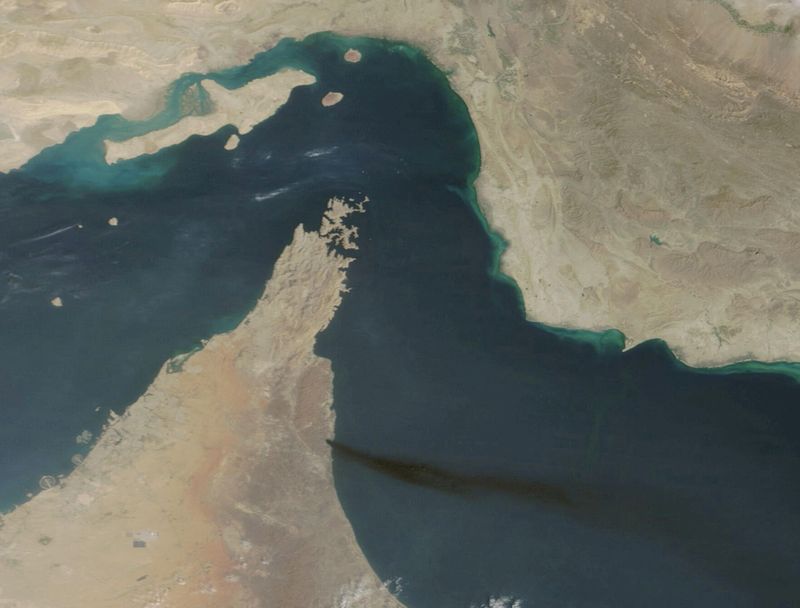
Charu Chanana, chief investment strategist at Saxo in Singapore, noted that “this latest escalation feels like a turning point for markets because the conflict is no longer just about military headlines or Strait of Hormuz closure. It is now hitting the plumbing of the global energy system.”
Rising Inflation in the Eurozone
The European Central Bank (ECB) acknowledged that the war in Iran would have a “material impact” on near-term inflation, depending on its intensity and duration. Financial markets anticipate euro zone inflation to rise close to 4% over the next year, with a prolonged period before returning to the ECB’s 2% target.
Traders are anticipating two or three rate hikes by December, betting that the ECB will not tolerate another inflation spike after being affected by Russia’s invasion of Ukraine four years ago. The yield on the 2-year U.S. Treasury note reached its highest level in nearly eight months, indicating a shift in interest rate expectations.
An International Monetary Fund official estimated that every 10% increase in oil prices, if sustained through the year-end, adds about 40 basis points to global inflation and reduces economic output by 0.1% to 0.2%.
Calls for Stability and Moratorium
Britain, France, Germany, Italy, Japan, and the Netherlands called for an immediate moratorium on attacks on oil and gas facilities. They also stated they are working with energy-producing nations to stabilize markets, according to a joint statement.
Trump warned Iran on social media not to retaliate by attacking Qatari LNG facilities again, threatening to “massively blow up the entirety of the South Pars Gas Field” if it did so. Qatar shares the South Pars gas field, the world’s largest, with Iran.
Iran’s Stance on Future Attacks
Iran has declared that it will show “zero restraint” if its infrastructure is attacked again, according to Foreign Minister Abbas Araqchi. Israeli Prime Minister Benjamin Netanyahu reportedly said in a call that he would not attack any more Iranian energy facilities, as reported by Trump on Thursday.
Gas prices in Europe have doubled since late February before the U.S. and Israel launched attacks on Iran. Saudi Arabia’s Red Sea port of Yanbu faced brief disruptions due to a drone falling on the nearby Aramco-Exxon refinery, SAMREF.
Kuwait Petroleum Corporation’s Mina al-Ahmadi and Mina Abdullah refineries were targeted by drones, resulting in fires at both sites. The UAE shut its Habshan gas facilities after intercepting missiles early in the day, with no injuries reported. UAE authorities responded to an incident at the Bab oilfield caused by falling debris from intercepted missiles.