The Islands That Control the Strait of Hormuz
The Strategic Importance of the Persian Gulf Islands
The control of certain islands in the Persian Gulf could significantly weaken Iran’s influence in the region. Capturing Kharg, Qeshm, Abu Musa, and Tunb Islands could disrupt Tehran’s dominance over the Strait of Hormuz, a critical maritime passage for global energy trade.
Key Islands and Their Significance
Kharg Island is a vital asset for Iran, serving as its primary oil export hub. It is also an economic lifeline for the country. In March 2023, President Donald Trump ordered airstrikes on military bases on Kharg Island. This move highlights the strategic importance of the island to Iran’s economy and military operations.
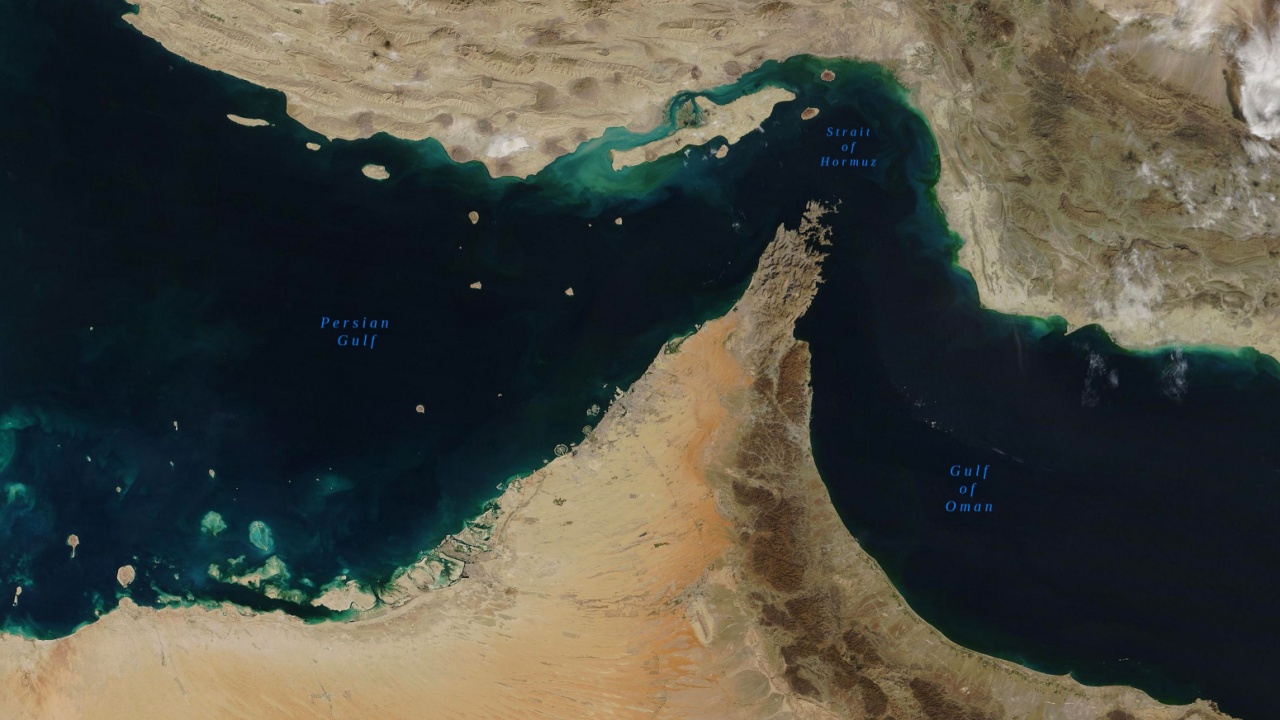
Qeshm Island, located closer to the mouth of the Strait of Hormuz, hosts several Iranian missile bases. Its strategic position allows Iran to monitor and potentially control traffic through the strait, making it a key component of Tehran’s naval strategy.
The Strait of Hormuz: A Global Energy Chokepoint
The Strait of Hormuz is one of the most critical energy chokepoints in the world. Approximately one-fifth of global oil consumption, around 21 million barrels per day, passes through this narrow 21-mile-wide passage. Additionally, a significant portion of the liquefied natural gas trade, primarily from Qatar, transits the strait. Energy exports from countries such as Saudi Arabia, Kuwait, Iraq, Qatar, Bahrain, the UAE, and Iran reach markets in Europe, India, China, and Japan via this route.
Economic Impact of Disruption
Disruptions caused by conflicts in the region have already led to a surge in oil prices, with cascading effects across global supply chains. The impact is felt from Tokyo to Berlin, highlighting the interconnectedness of the global economy. Iran’s attacks on vessels in the strait during the escalating conflict underscore the strategic importance of controlling this passage.
Asymmetric Tactics and Regional Strategy
Iran employs asymmetric tactics such as fast-attack boats, mines, drones, and island-based missiles to maintain control over the Strait of Hormuz. These tactics are tailored to exploit the narrow and strategically significant corridor. However, the strait serves both as a lever and a lifeline for Iran, as it relies on the passage for its oil sales to China, its primary remaining customer.
Alternatives and Limitations
While alternatives such as Saudi Arabia’s East-West pipeline to the Red Sea exist, they can only transport 5–7 million barrels per day, far less than the volume handled by the Strait of Hormuz. Similarly, the UAE’s pipelines offer limited bypass capacity. Prolonged threats could amplify economic pain for all Gulf producers, but Iran would be hit the hardest due to its isolation.
The Role of Kharg and Qeshm Islands
Iran’s Kharg and Qeshm islands could serve as a force multiplier in pressuring Tehran. Kharg Island hosts 90 percent of Iran’s oil-loading terminals, making it essential for regime survival. Qeshm supports naval and surveillance operations at the strait’s entrance. Neutralizing these islands or using them as a forward operating base could put significant pressure on Iran.
The Next Logical Targets
Conquest without conviction is ineffective. Iran would likely double down on guerrilla maritime harassment unless other bases in the Persian Gulf are targeted. The islands of Abu Musa, Greater Tunb, and Lesser Tunb, located between Iran and the UAE, are next in line. These islands, occupied by Iran since 1971 despite Emirati claims, provide strategic advantages for surveillance, missile deployments, and rapid interdiction.
Security Measures and Risks
Defensive batteries and patrols could secure shipping, defang Iranian fast boats, and deter mine-laying. While critics may raise concerns about the associated risks, inaction could lead to more severe consequences, including prolonged closure of the strait, oil prices reaching $150 per barrel, and a global economic downturn.
Strategic Implications
If the United States seized Kharg and Qeshm, and a GCC coalition took the Tunbs and Abu Musa, Tehran would face a situation where capitulation becomes unavoidable. Achieving freedom of navigation in the Persian Gulf requires more than sanctions; it demands forcing Tehran’s hand from the world economy’s jugular vein. At the same time, Iran would have no choice but to negotiate sovereignty through arbitration, possibly under UN auspices, mirroring historical Gulf disputes.
About the Author
Abdulla Al Junaid is a geopolitical columnist and commentator in Middle Eastern and international media. He has held various leadership roles, including department head for analysis and policies at the National Unity Party in Bahrain, deputy director of MENA2050, and advisory board member of the German-Arab Friendship Association (DAFG). He has been a guest speaker at several prominent conferences and is an executive partner at INTERMID Consultancy (Bahrain).