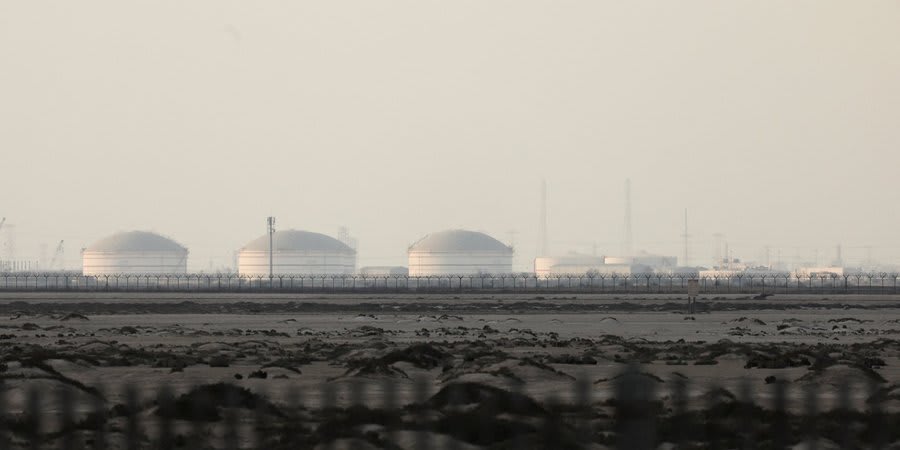
Iran Strikes Qatar’s Ras Laffan Energy Hub Again in 12 Hours
Escalation in the Region: Impact on Qatar’s Energy Infrastructure
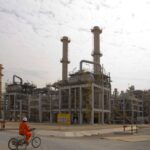
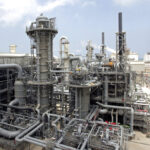
The recent attacks on Qatar’s energy infrastructure have raised serious concerns about regional stability and global energy markets. The first strike caused significant damage, and following a second bombardment on the morning of March 19, major fires broke out at the facility, with further serious destruction reported. These events were confirmed by QatarEnergy, which is responsible for managing the country’s energy resources.
Qatari emergency services worked tirelessly to address the aftermath of the attack. While there were no casualties reported, the incident marks one of the most severe escalations in the region. The target of the attack, Ras Laffan, is not only a key industrial city but also the backbone of Qatar’s economy. It plays a critical role in the global liquefied natural gas (LNG) market, making it a strategic asset for both regional and international stakeholders.
In response to the attack, Qatar declared the military and security attachés of the Iranian embassy, along with their staff, as personae non gratae. This move signals a strong diplomatic reaction to the ongoing tensions between the two nations.
Regional Conflicts and International Responses
The conflict in the region has seen multiple international actors involved. On February 28, Israel and the United States launched coordinated attacks on Iran, with operations named “Lion’s Roar” by Israel and “Epic Fury” by the U.S. The Israel Defense Forces later confirmed that Ayatollah Ali Khamenei was killed in a strike that completely destroyed his residence on that day.
In retaliation for the assassination, Iran launched ballistic missiles at Israel. Additionally, Iranian missiles and drones targeted U.S. military bases in several Gulf countries, including Qatar, the UAE, Bahrain, Kuwait, Saudi Arabia, and Jordan. These actions have further heightened regional tensions and raised concerns about the potential for broader conflict.
Global LNG Market and Qatar’s Role
Europe received 7% of all its liquefied natural gas (LNG) supplies from Qatar in 2025, according to the Kpler analytical platform. This highlights the importance of Qatar’s energy exports to the European market. However, the recent attacks on Qatar’s facilities have disrupted this supply chain.
QatarEnergy officially confirmed the suspension of LNG and related product production at its complexes in Ras Laffan and Mesaieed on March 2. This decision comes as a direct response to the ongoing security threats and the need to ensure the safety of its operations.
Qatar’s LNG Production and Global Partnerships
QatarEnergy reportedly shipped 80.97 million tons of LNG in 2025, with a production capacity of up to 142 million tons per year. According to traders’ estimates, the company supplies 90-95% of its gas under long-term contracts and 5-10% on the spot market. This structure ensures a stable supply to key global markets.
Major global energy companies such as ExxonMobil, Shell, TotalEnergies, Eni, and Conoco are among the largest investors in QatarEnergy. Their involvement underscores the significance of Qatar’s energy sector and the trust placed in its long-term viability.
Implications for Global Energy Security
The disruption of Qatar’s LNG production has significant implications for global energy security. Norway has already warned that North Sea gas cannot replace the supplies that have been disrupted due to the situation in Qatar. This highlights the unique position that Qatar holds in the global energy landscape.
As the world continues to monitor the situation, the focus remains on ensuring the stability of energy markets and the security of critical infrastructure. The events in Qatar serve as a reminder of the interconnected nature of global energy systems and the potential for regional conflicts to have far-reaching consequences.