
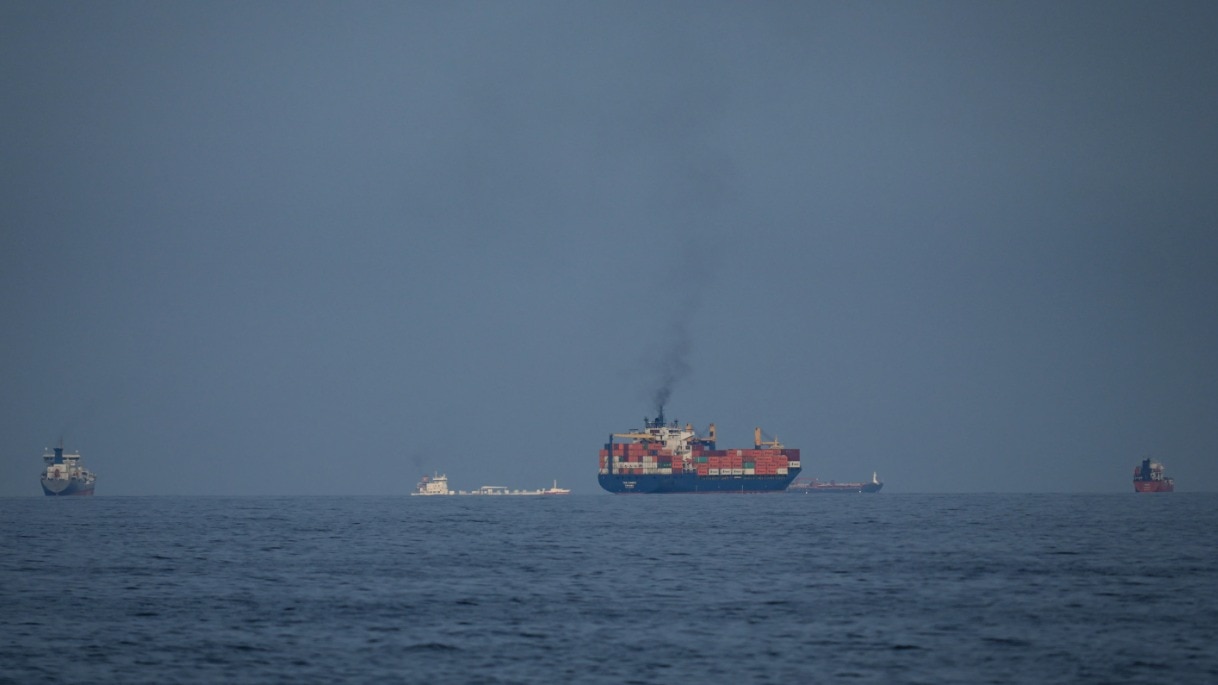
The Million-Year Accident: The Strait of Hormuz, World’s Ocean Gatekeeper
The Strait of Hormuz: A Geologic and Political Crossroads
The Strait of Hormuz, a narrow waterway between the Arabian Peninsula and Iran, has long been a focal point of global energy and geopolitical tension. Its strategic significance is rooted in its role as a critical passage for approximately one-fifth of the world’s liquid energy, making it a chokepoint that influences international relations and economic stability.
Mountains, Oil, and the Narrow Gap
Six hundred million years ago, the region that would become the Persian Gulf did not exist. The area was part of the supercontinent Gondwana, separated from Eurasia by the Tethys Ocean. Over time, microscopic marine organisms accumulated on the seafloor, eventually transforming into oil under heat and pressure. As tectonic plates shifted, the Indian and Arabian plates moved northward, colliding with the Eurasian plate. This collision formed the Zagros Mountains and created the Persian Gulf basin, where oil deposits were trapped beneath impermeable rock.
The geological processes that led to the formation of the Zagros Mountains also resulted in the creation of the Strait of Hormuz. This narrow gap, only thirty miles wide, became the natural conduit through which oil and other resources flowed. The same tectonic forces that shaped this region also set the stage for its future importance in global trade and conflict.
The Birth of the Hormuz
The Strait of Hormuz was not always a maritime passage. Between 70,000 and 17,000 years ago, the Persian Gulf was a dry, fertile landscape. As sea levels rose, the region transformed into a vast body of water, creating the modern-day Gulf. This shift had profound implications for human settlement and migration, leading to the development of early civilizations such as the Sumerians.
The Great Flood and Human Migration
The flooding of the Persian Gulf around 12,500 years ago triggered significant human migration. Populations that had once thrived in a vast landmass were forced into smaller habitable zones, leading to the rise of early urban centers. The Sumerians emerged from this period, developing cities, writing systems, and complex societies. Cultural memories of this transformation are preserved in ancient myths, including the Epic of Gilgamesh and the Biblical flood narrative.
The Oldest Chokepoint
Once the Gulf was fully flooded, the Strait of Hormuz became a vital commercial hub. It served as a key trade route for centuries, with various empires, including the Achaemenids and Sassanids, managing its strategic importance. The city of Hormuz, originally located on the mainland, later moved to an island due to Mongol invasions, highlighting the region’s enduring value.
God’s Own Island
The name “Hormuz” is believed to derive from Ahura Mazda, the supreme deity of Zoroastrianism. The island of Hormuz became a wealthy trading center, thriving on its strategic location. Despite its lack of natural resources, the island’s value lay in its position, making it a crucial node in global trade networks.
The European Era
In the 16th century, European powers, including Portugal and Britain, sought control over the Strait. The Portuguese established a presence in 1515, while the British later dominated the region. The Royal Navy played a key role in maintaining open shipping lanes, allowing British merchants to accumulate wealth.
Tehran’s Trump Card
For over four decades, Iran controlled the Strait of Hormuz, but never fully closed it due to the mutual dependence on oil revenues. However, the spring of 2026 changed this dynamic. Following an attack by Israel and the US, Iran closed the Strait, causing a surge in oil prices and disrupting global trade. This move highlighted the region’s vulnerability and the potential for conflict.
The Greatest Geological Joke
The countries most affected by the closure of the Strait are those with the least influence over the decisions that led to it. India, Japan, South Korea, and European nations found themselves caught in a crisis they had little control over. The tectonic forces that created the oil also created the bottleneck, underscoring the paradox of the region’s significance.
The Future of the Strait
What comes next remains uncertain. Will this crisis lead to a resolution or further conflict? History offers no clear answers, but the Strait of Hormuz will continue to be a critical point of contention. The mountains that frame it, the oil beneath the Gulf, and the thirty-mile gap will remain unchanged, forcing nations to find new ways to navigate the challenges it presents.