Rising assaults on Gulf energy sites mark new chapter in Iran conflict
Escalation in the Persian Gulf: A New Phase in the U.S.-Israeli Conflict with Iran
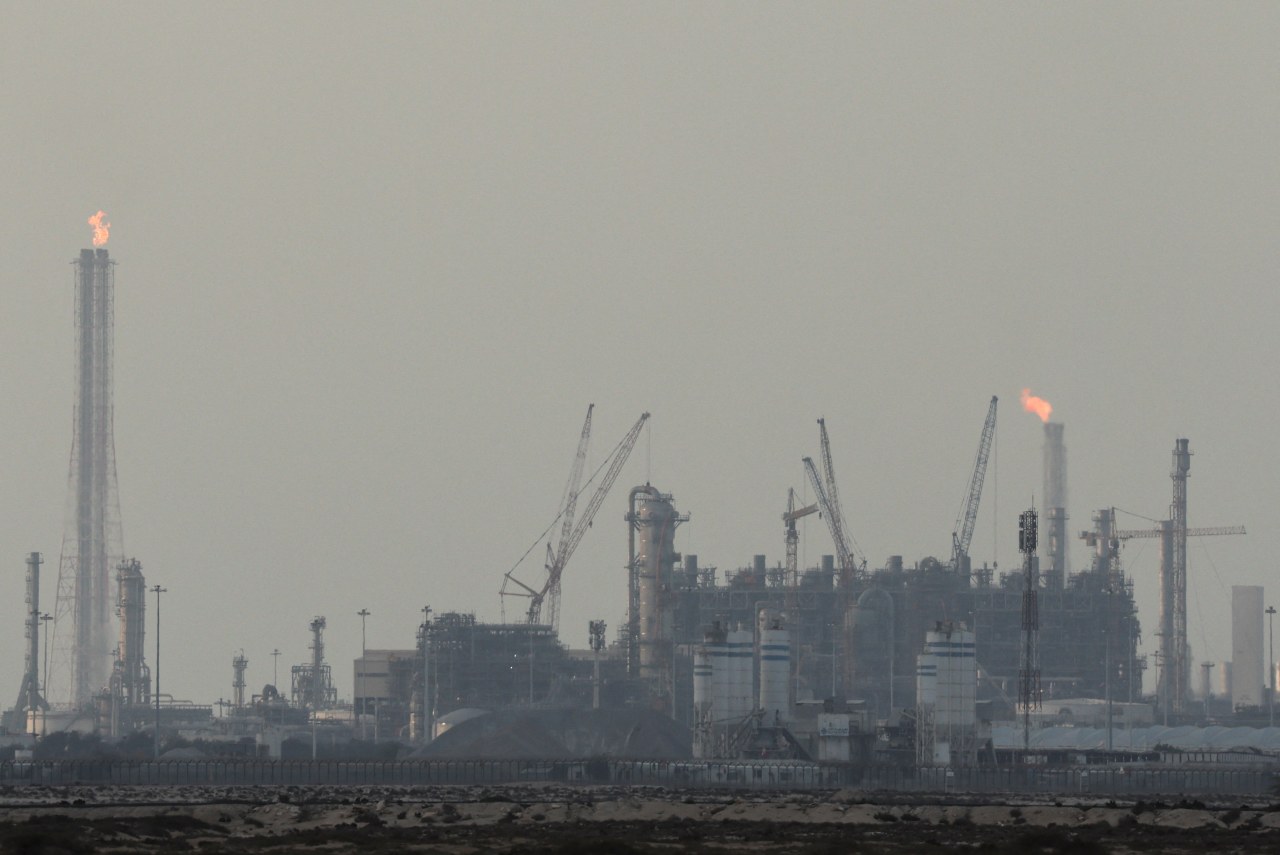
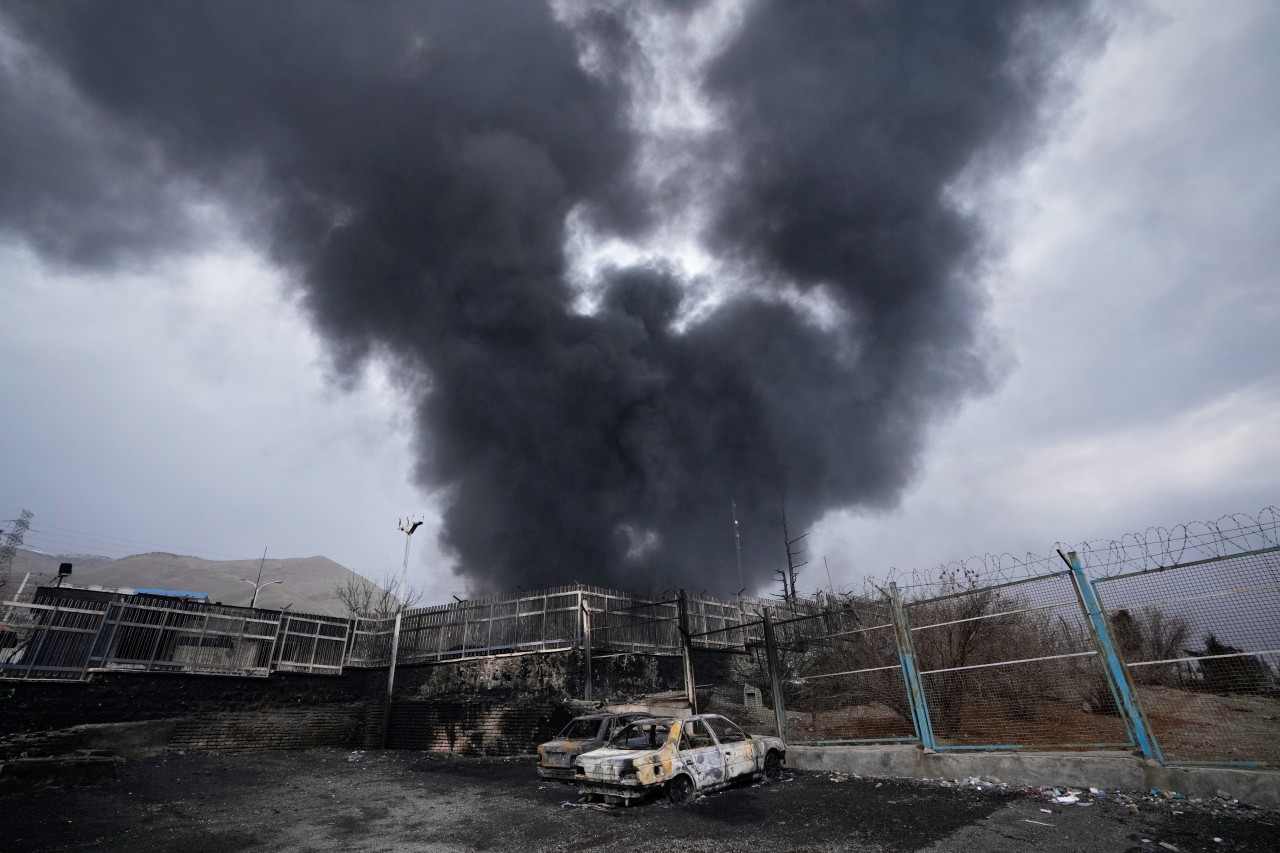
The recent attacks on oil and gas infrastructure in the Persian Gulf have marked a dangerous new phase in the ongoing conflict between the U.S., Israel, and Iran. These strikes have not only intensified the regional tensions but also raised serious concerns about the stability of global energy supplies.
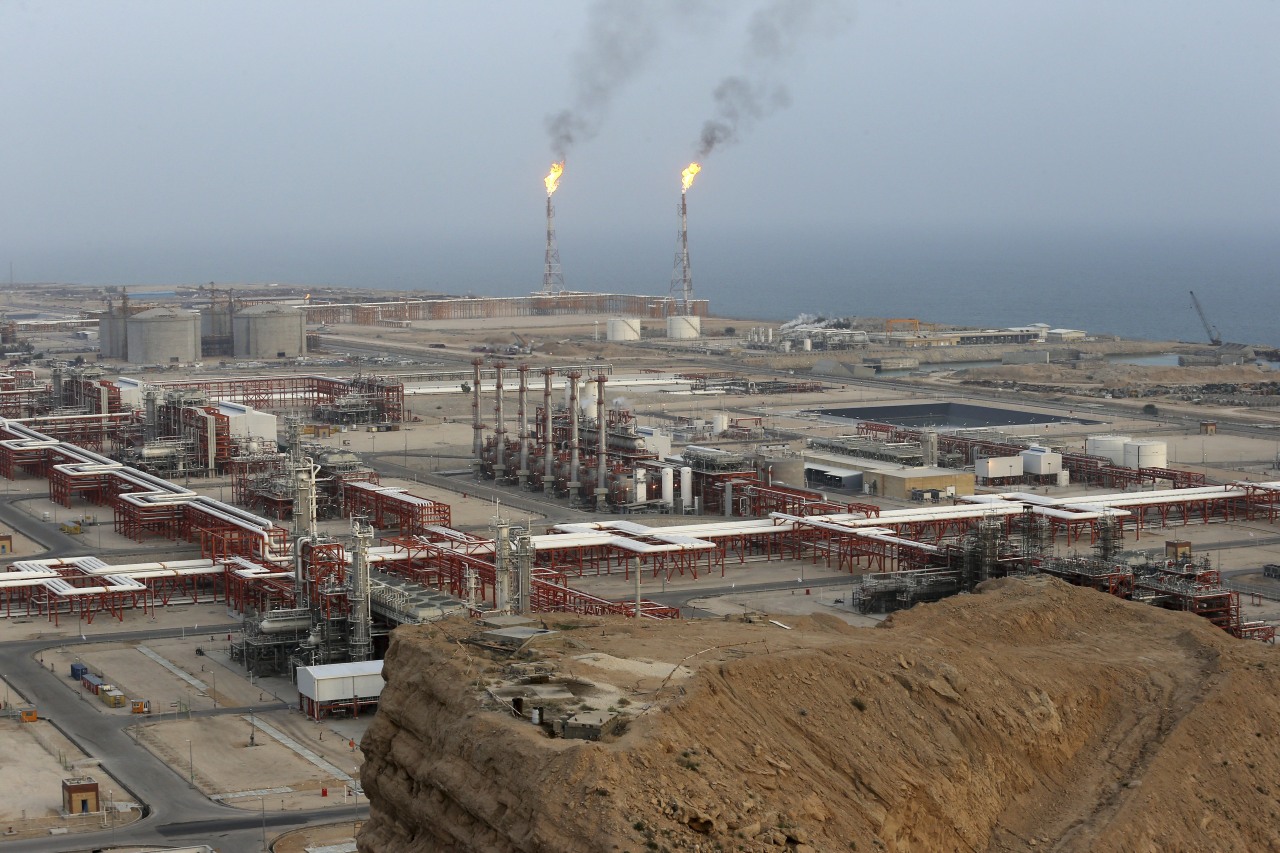
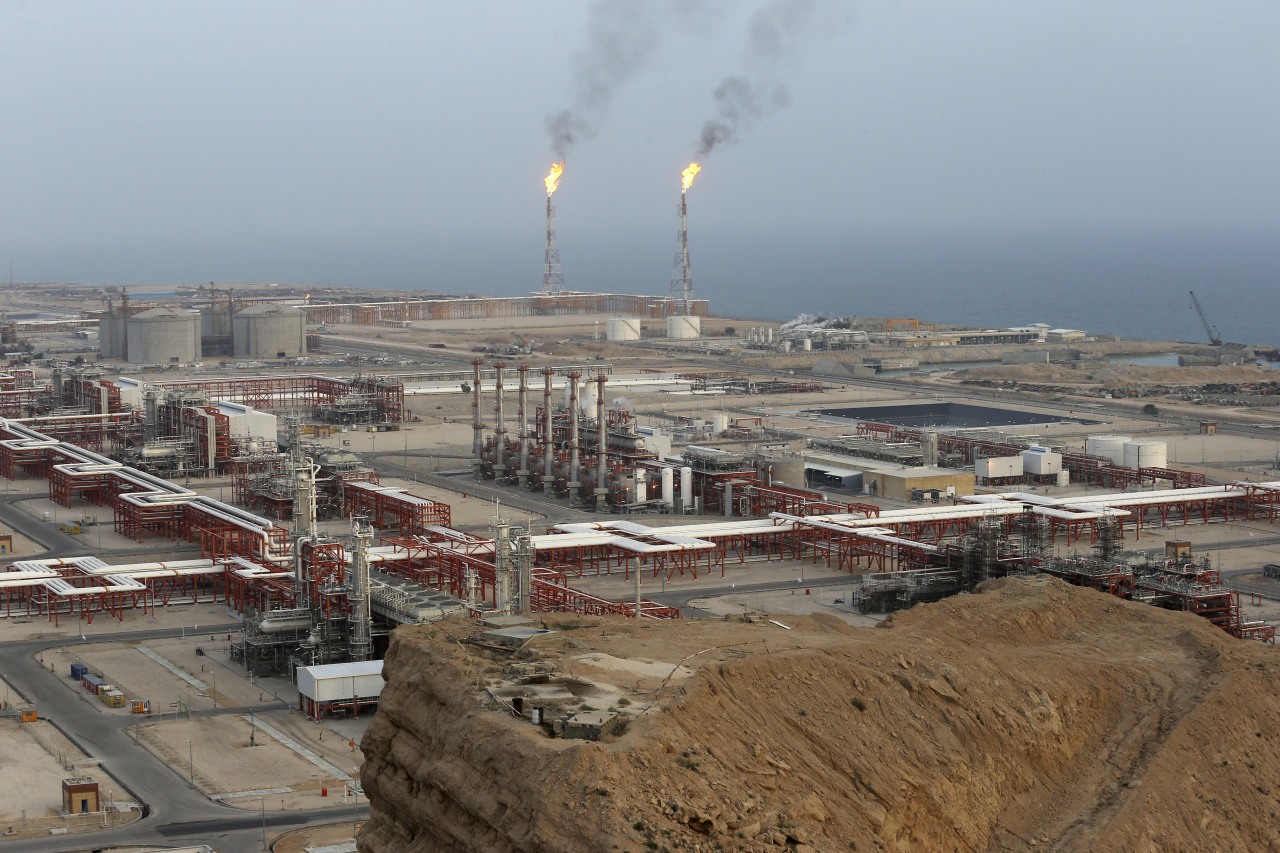
On Wednesday, Israel targeted the South Pars gas field, which is shared by Iran and Qatar and is the largest gas field in the world. This move was aimed at disrupting a critical revenue source for Iran. In response, Iran launched an attack on a major gas hub in Qatar and fired missiles toward Riyadh, Saudi Arabia, with debris landing near a refinery.
This escalation has brought the conflict to a point where the strategic Strait of Hormuz, which carries about 20% of the world’s oil and liquefied natural gas supply, has effectively been closed. The situation has created a ripple effect across the global energy market, with prices surging as traders anticipate further disruptions.
Strategic Implications and U.S. Involvement
The Israeli strike was reportedly approved by the U.S. government, with President Trump expressing support for the action. According to officials, the goal was to pressure Iran into unblocking the Strait of Hormuz. However, this decision has placed the U.S. in a delicate position, balancing the need to address Iranian aggression with the potential economic consequences of rising energy prices.
Trump’s strategy involves a careful balance between applying pressure on Iran and avoiding actions that could destabilize the global economy. While the administration aims to minimize long-term disruptions in the oil market, it also recognizes the importance of targeting Iran’s key sources of revenue as leverage in negotiations.
Regional Reactions and Concerns
The attacks have drawn strong reactions from Gulf states, particularly Qatar and the United Arab Emirates. Qatar condemned the assault on its facilities as a direct threat to its national security, while the UAE warned that targeting the South Pars field poses a risk to global-energy security. These concerns are compounded by the fact that the Gulf region plays a crucial role in the global energy supply chain.
The Revolutionary Guard of Iran has declared that energy facilities in Saudi Arabia, the UAE, and Qatar have become legitimate targets following the Israeli attack. This declaration has led to precautionary evacuations at several energy sites, highlighting the growing sense of urgency among regional operators.
Economic Impact and Market Volatility
The financial markets have reacted swiftly to the developments. Benchmark Brent oil futures reached nearly $110 per barrel, and European gas prices surged by 6% in the hours following the news. Analysts warn that the risk of further attacks on energy infrastructure could exacerbate an already fragile supply situation.
Neil Crosby of Sparta Commodities noted that the attacks open the door to more infrastructure strikes in the region. Martin Senior of Argus Media emphasized that damaging energy facilities could create a lasting impact beyond the immediate closure of the Strait of Hormuz, as the time required to repair such facilities could outlast the conflict itself.
Long-Term Consequences and Global Implications
The ongoing conflict has already led to significant production shutdowns in the Gulf, with JPMorgan forecasting that oil and oil-products supply cuts could reach 12 million barrels a day by the end of the week. This represents more than 10% of global daily demand, creating a severe imbalance in the market.
Analysts like Natasha Kaneva of JPMorgan stress that the only way to rebalance the market is through a comparable reduction in consumption. This underscores the urgent need for diplomatic efforts to de-escalate the situation and prevent further damage to the global economy.
Conclusion
The recent attacks on Persian Gulf energy infrastructure have introduced a new level of uncertainty into the global energy market. As the conflict continues to unfold, the international community must remain vigilant and work towards a resolution that ensures the stability of energy supplies and the protection of regional interests. The path forward will require careful diplomacy, strategic coordination, and a commitment to preventing further escalation in one of the world’s most critical energy corridors.