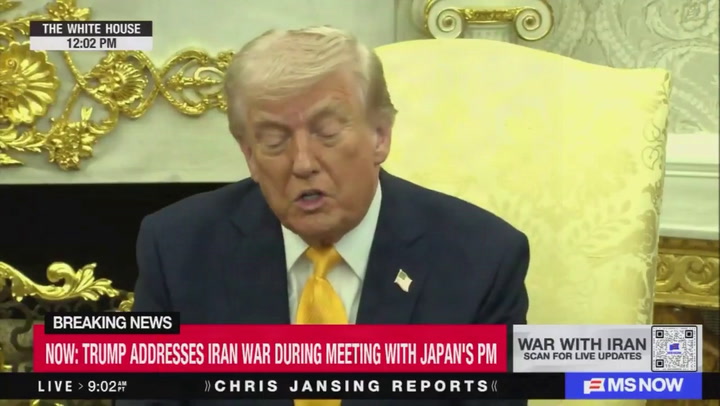
Trump tries to minimize shocking war expenses
The Cost of War: A Question of Priorities
President Donald Trump has attempted to justify the staggering cost of the war he initiated with Iran, claiming that $200 billion is “a small price to pay to stay tippy top.” As the Middle East conflict enters its third week—marked by rising oil and gas prices and an increasing death toll—the administration has confirmed that the financial burden is set to grow even further, despite Trump’s assertion that America’s involvement could soon come to an end.
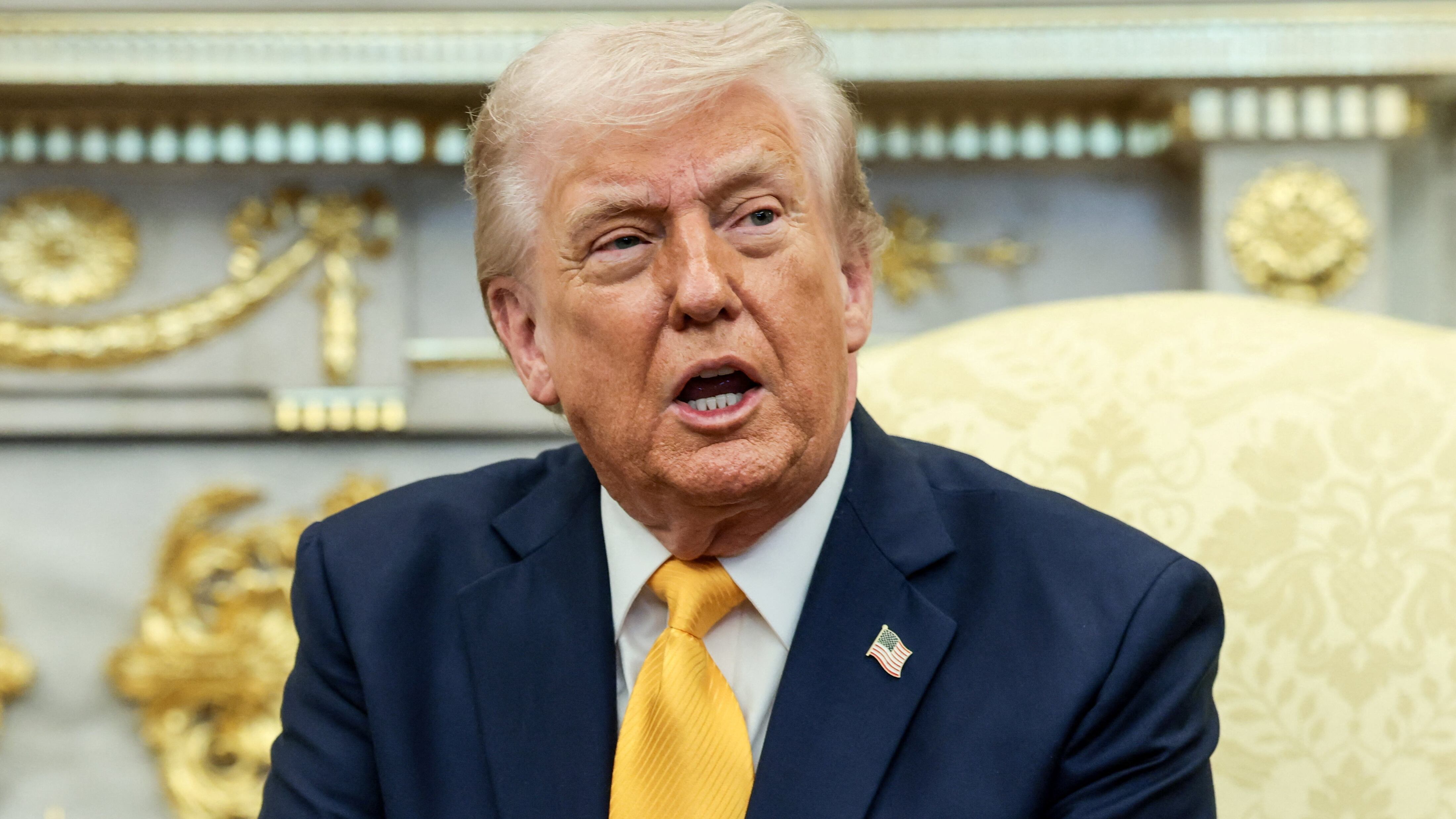
When asked why the Pentagon was seeking an additional $200 billion from Congress, Trump responded, “We’re in very good shape, but we want to be in the best shape. The best shape we’ve ever been in.” He continued, emphasizing the quality of U.S. military equipment, “We make, by far, the best equipment.”
He highlighted a recent incident where 114 rockets were fired at a specific location, all of which were supposedly shot down by U.S. technology. “It’s amazing, actually,” he said. “So we want to be sure—and it’s a small price to pay to make sure that we stay tippy top.”
These remarks reflect one of the key achievements Trump often cites from his first term: the rebuilding of the military. However, the ongoing conflict with Iran poses a unique challenge for an “America First” president who promised to avoid foreign entanglements. While Congress will ultimately decide on the Pentagon’s funding request, some lawmakers have already voiced concerns about the allocation of resources.
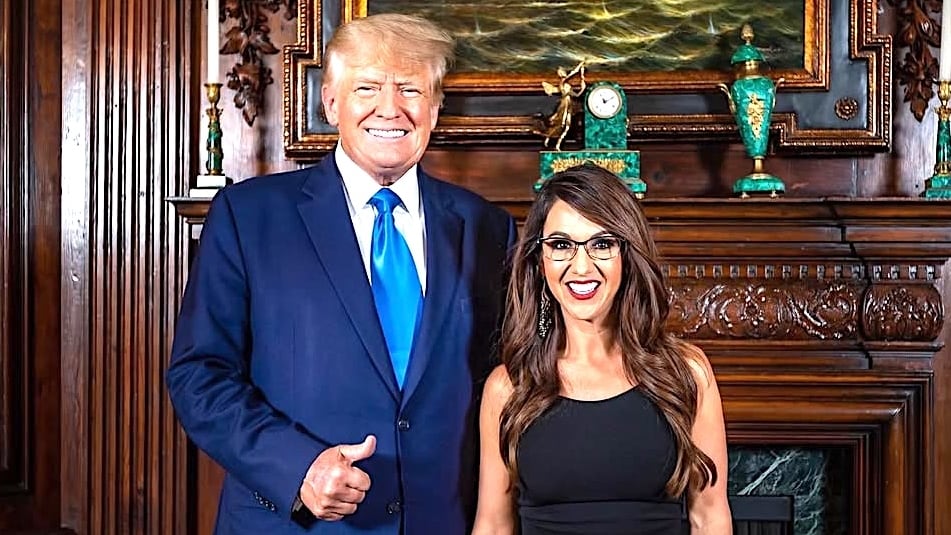
Republican representative Lauren Boebert, known for her strong support of Trump, expressed opposition to the funding, stating, “I am a no.” She added, “I am so tired of spending money over there. I have folks in Colorado who can’t afford to live. We need America first policies right now.”
The $200 billion requested by the Pentagon exceeds the annual discretionary budget for the Department of Health and Human Services, which is approximately $150 billion per year. It also surpasses the U.S. aid provided to Ukraine, which has totaled around $170–$180 billion in military, economic, and humanitarian support since the start of hostilities.
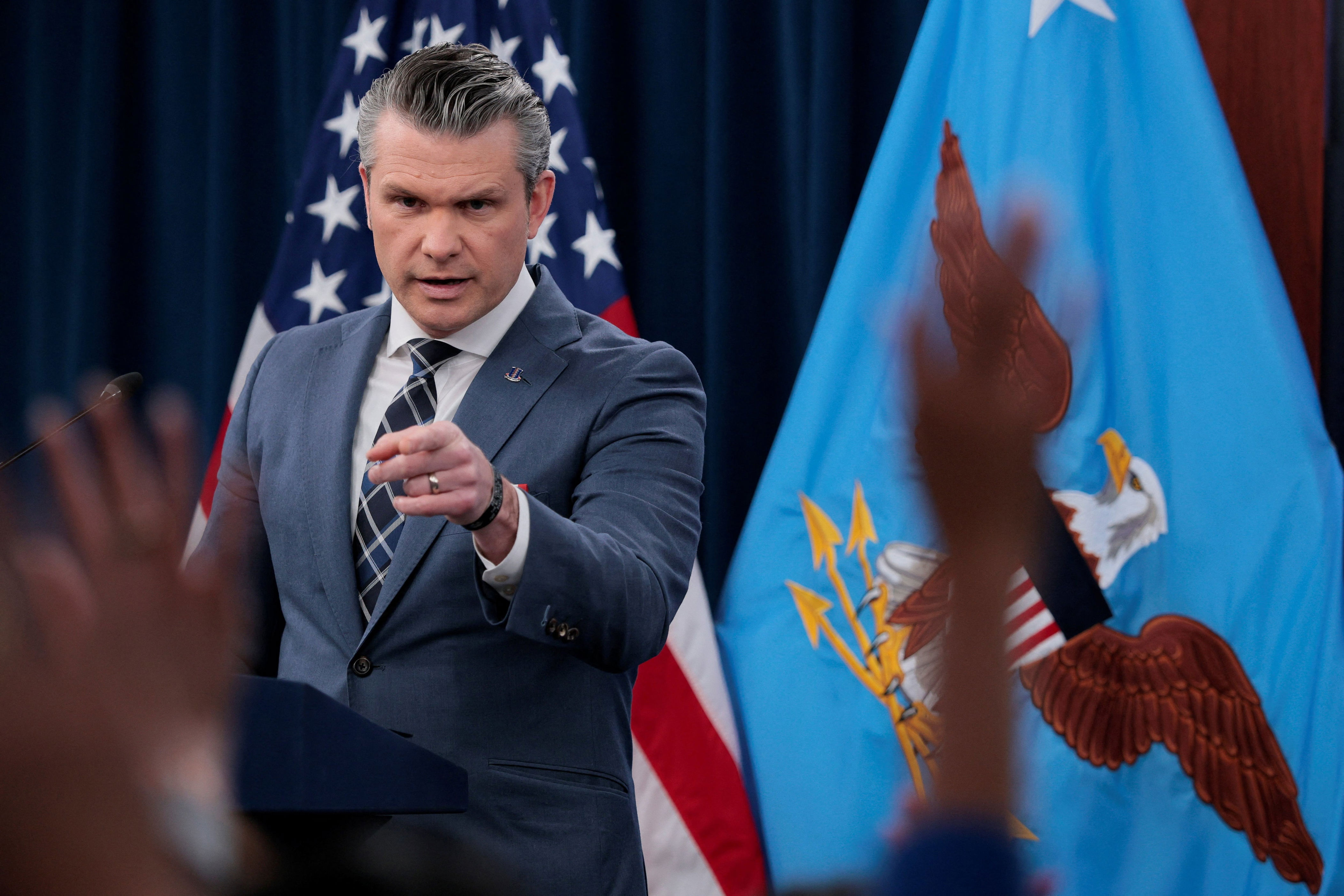
Pentagon chief Pete Hegseth defended the funding, telling reporters, “It takes money to kill bad guys.”
Trump’s military action against Iran began on February 28, when the U.S. and Israel launched surprise attacks on Iran. This operation has resulted in the deaths of at least 13 U.S. service members. The initial strikes also led to the assassination of Supreme Leader Ali Khamenei, although his son, Mojtaba Khamenei, has since taken over and vowed retaliation.
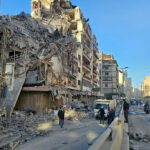
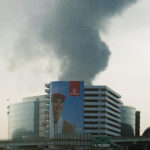
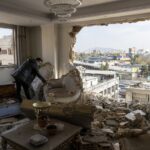
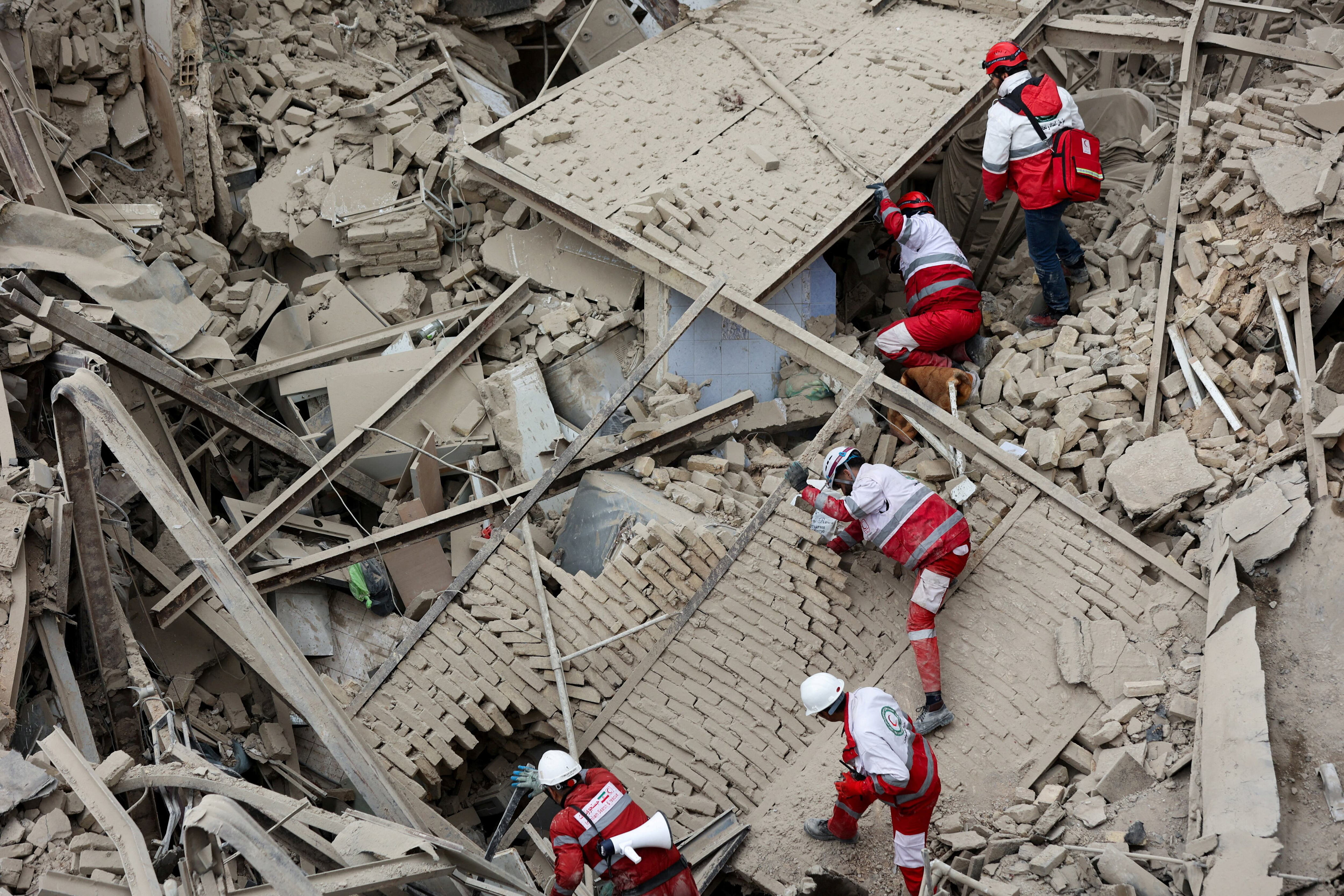
In response, Iran has targeted energy infrastructure, airports, and residential areas, while also disrupting shipping through the Strait of Hormuz, which handles roughly a fifth of the world’s oil. As a result, gasoline prices in the U.S. have surged, reaching $3.90 per gallon on Thursday, according to GasBuddy, while diesel has climbed to $5.09 per gallon.
Trump’s comments about maintaining a “tippy top” position came during a meeting with Japan’s Prime Minister Sanae Takaichi, who had traveled to Washington to reaffirm the U.S.-Japanese alliance amid the global energy crisis. However, the conversation took an awkward turn when Trump made an uncomfortable joke about the bombing of Pearl Harbor after being questioned about why the U.S. did not inform Japan or other allies of the strike on Iran.
“You don’t want to signal too much, you know?” Trump said. “When we go in, we went in very hard, and we didn’t tell anybody about it because we wanted surprise. Who knows better about surprise than Japan? Okay, why didn’t you tell me about Pearl Harbor? You believe in surprise, I think much more so than us.”