Iran’s Water Crisis: The Next Big Threat
The Hidden Crisis: Water Scarcity in the Middle East
As we enter week three of the ongoing conflict in Iran, oil prices remain volatile, and global markets are on edge with every new headline from the Strait of Hormuz. However, there is a far more pressing issue that could have long-term consequences for the entire region — water scarcity. If the war continues for much longer, the Middle East may face a crisis that surpasses even the disruptions to oil supplies.
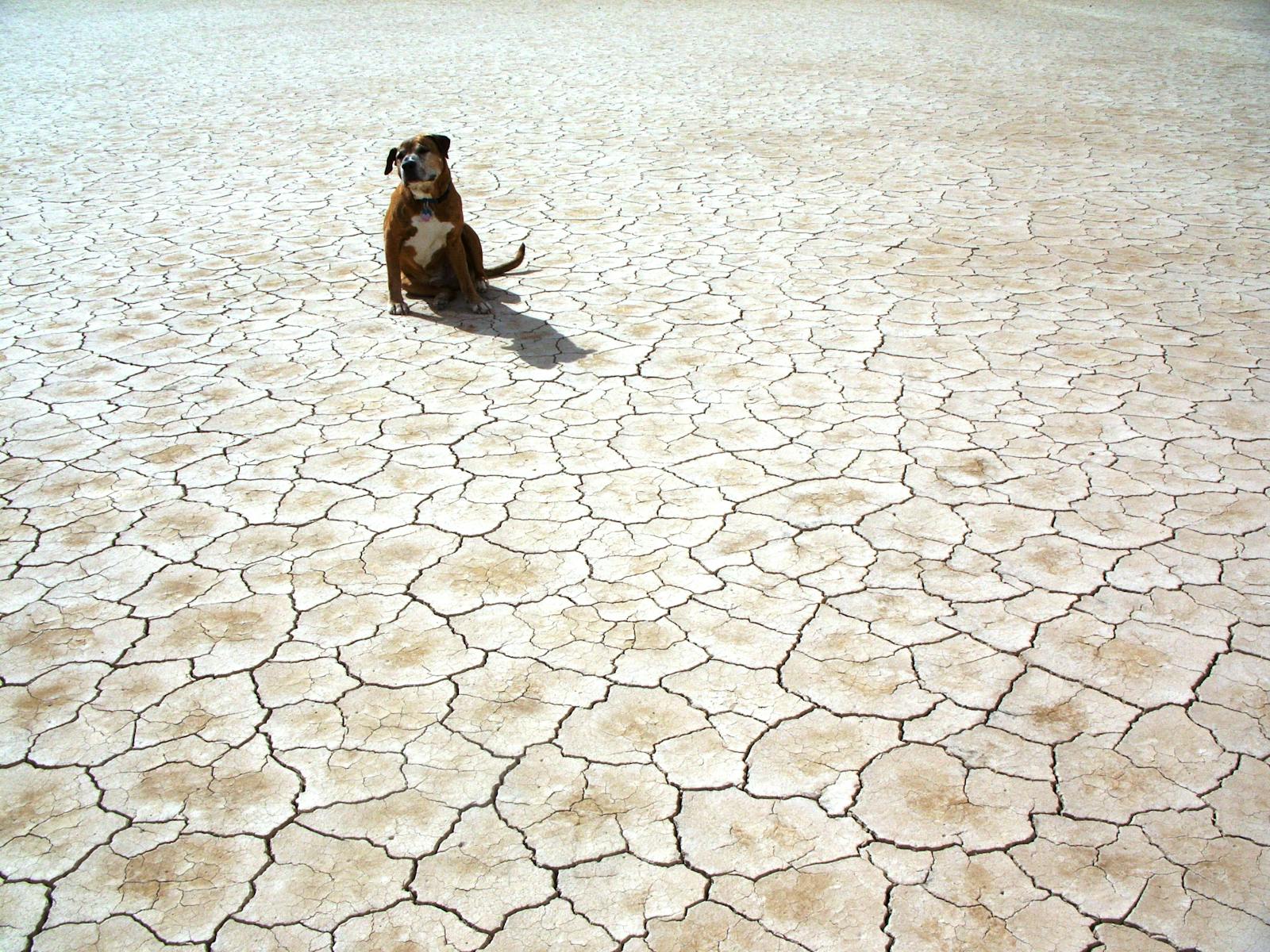
Iran is one of the most water-stressed countries in the world, and it has already experienced the devastating effects of prolonged drought. Four months ago, officials warned that a five-year drought brought the capital, Tehran, dangerously close to “Day Zero,” a point at which there would be no drinking water left for its population. This situation is not unique to Iran. Other cities, such as Cape Town in South Africa, Chennai in India, and Mexico City, have also faced similar crises in recent years. Even Corpus Christi, Texas, is currently experiencing a severe drought that threatens its water supply.
Desalination Plants Under Threat
In the Middle East, many countries rely heavily on desalination plants to provide fresh water to their populations. These facilities convert seawater into potable water, making them essential for survival in arid environments. However, these plants are now under threat due to the ongoing conflict.
Desalination plants are typically considered off-limits for attack because of the humanitarian risks involved. Despite this, two such facilities — one in Iran and another in Bahrain — have already been hit by drone missiles in the early weeks of the war. Iran reportedly retaliated against an attack on its own plant by striking the one in Bahrain. Several other desalination plants across the region are within range of Iranian missiles, and if any of them are destroyed, it would trigger immediate humanitarian disasters.
Regional Cooperation and Conflict
Historically, Middle Eastern countries have shared water resources during times of drought. However, this cooperation is no longer guaranteed in the midst of a major regional war. The conflict has disrupted diplomatic ties and made it difficult to maintain the kind of collaboration that once helped manage water shortages. Additionally, attacks on oil facilities can lead to pollution of available water sources, further exacerbating the problem.
Many desalination plants are located near energy facilities, which are often targets during conflicts. This means that the destruction of these plants could have cascading effects, impacting both energy and water supplies simultaneously.
Strategic Implications
War strategists have long warned that closing the Strait of Hormuz would be one of the most dangerous actions Iran could take if it were attacked. However, as the war continues, it becomes increasingly clear that water security is becoming a critical vulnerability for the region. Desalination plants, which are vital for sustaining populations in desert environments, are likely to become high-priority targets in the coming months.
The ongoing conflict is not just a matter of oil or geopolitical power; it is also a battle for survival. As water becomes scarcer and more valuable, the stakes for the Middle East are rising. The region’s future may depend on how effectively it can protect its water infrastructure and find ways to cooperate despite the chaos of war.