Iran Conflict Intensifies as U.S. Drops Massive Bombs and Israel Eliminates Intelligence Leader
The conflict in Iran has escalated dramatically, with the United States and Israel launching intensified military operations that include large-scale airstrikes and targeted assassinations of high-ranking Iranian officials. This surge in hostilities marks a significant shift in the ongoing tensions between these nations and Iran.
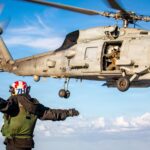
In recent days, U.S. forces have deployed 5,000-pound bunker-buster bombs against fortified locations near the Strait of Hormuz. Simultaneously, Israel conducted coordinated strikes in Tehran, focusing on key elements of Iran’s leadership. These actions represent one of the most aggressive phases of the conflict since its inception, with both countries directly targeting Iran’s military infrastructure and command structure. The situation has sparked fears of a prolonged regional war, with potential immediate geopolitical and economic repercussions.
One of the most notable developments is the confirmation by Iranian President Masoud Pezeshkian that Intelligence Minister Esmail Khatib was killed in an Israeli airstrike. He described the loss as a major blow to the country’s leadership. This strike was part of a broader campaign that also resulted in the elimination of key figures such as Ali Larijani, head of Iran’s Supreme National Security Council, and militia commander Gholamreza Soleimani.
According to Israeli officials, the operation aimed to dismantle Iran’s decision-making apparatus and weaken its ability to coordinate military responses. Khatib, who had served as intelligence minister since 2021, was seen as a central figure in Iran’s internal security and intelligence operations.
Israeli Defense Minister Israel Katz indicated that the campaign against Iran’s leadership would continue, stating, “Israel’s policy is to continue to strike at the head of the Iranian terror octopus.” This statement highlights Israel’s strategy of targeting senior officials in quick succession, following earlier strikes that reportedly killed Iran’s Supreme Leader Ali Khamenei at the start of the conflict.
Analysts suggest that the scale and precision of these operations indicate deep intelligence penetration within Iran, enabling Israeli forces to identify and eliminate high-value targets in the capital and other strategic locations.
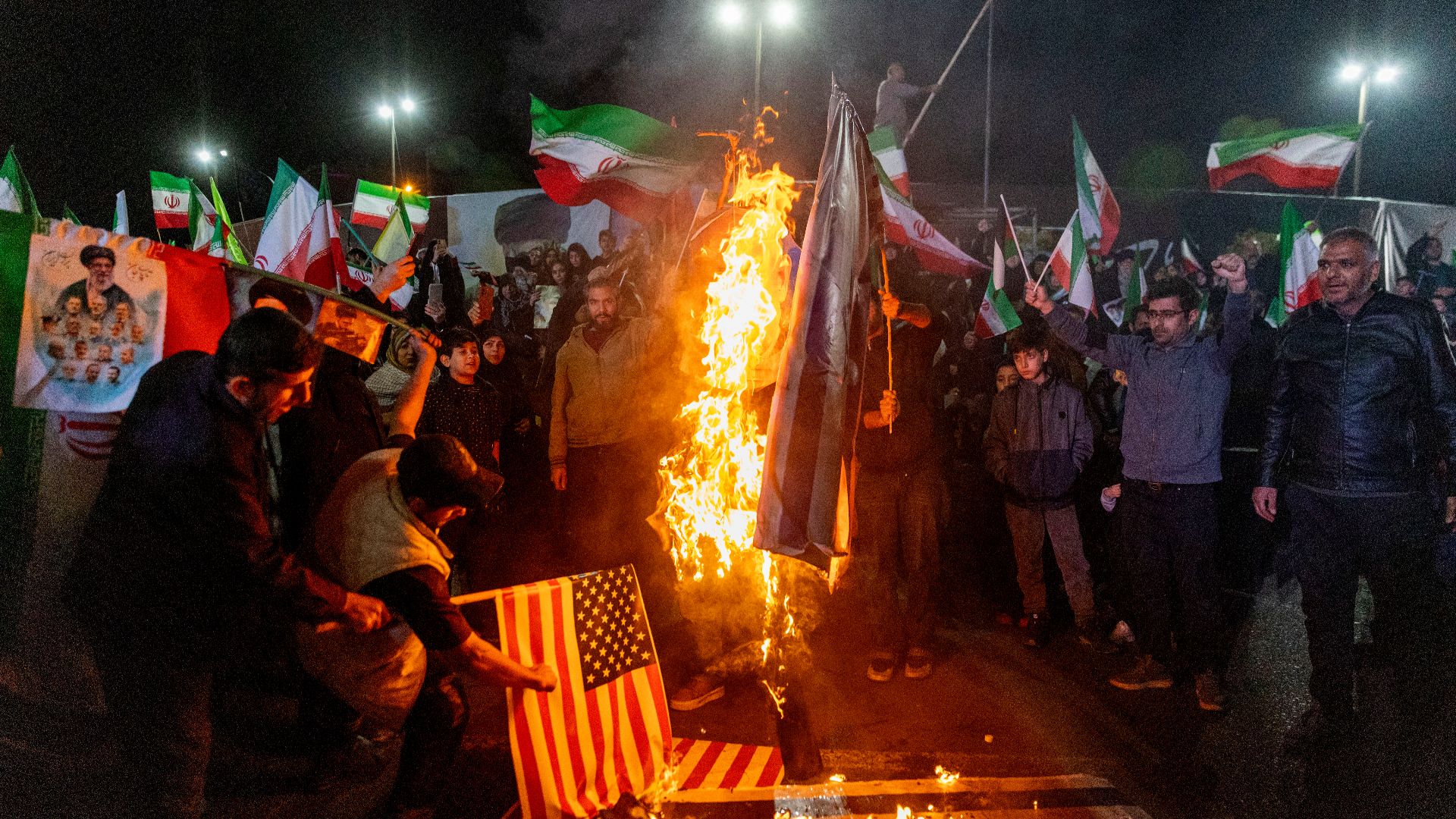
Iran has retaliated with missile and drone attacks targeting Israeli cities and U.S. positions across the region, demonstrating that its military capabilities remain strong despite leadership losses. Following the latest assassinations, Iran’s new supreme leader Mojtaba Khamenei issued a warning of retaliation, vowing that those responsible would “pay the price” for the killings.
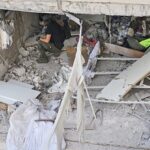
The exchange of strikes has extended beyond Iran’s borders, with attacks reported in Lebanon and heightened tensions across the Middle East. Casualty figures continue to rise, with more than 2,000 people reported killed within weeks of the conflict, including both civilians and military personnel.
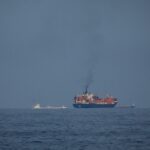
The escalation has also had immediate consequences on global energy markets, particularly due to the strategic importance of the Strait of Hormuz. The recent U.S. strikes targeted missile sites believed to threaten shipping routes, further heightening concerns over supply disruptions.
Oil prices have surged above $100 per barrel as a result, contributing to rising fuel costs across North America. Analysts warn that any prolonged disruption in the region could trigger further spikes, especially if Iran attempts to restrict access to key maritime routes or target energy infrastructure.

As the conflict deepens, the combination of heavy U.S. strikes and Israel’s targeted killings has significantly altered the balance of power in the region while increasing the risk of wider escalation. The killing of figures such as Esmail Khatib and Ali Larijani underscores the intensity of the campaign against Iran’s leadership, while Tehran’s continued retaliation suggests that the conflict is far from over.
With no clear diplomatic pathway emerging, the situation continues to evolve rapidly, raising concerns among international observers about the potential for a prolonged war with far-reaching global consequences.
Created by humans, assisted by AI.