Why the Red Sea Could Threaten Global Trade
The Red Sea Faces New Threats Amid Escalating Tensions
With the Strait of Hormuz effectively blocked following an assault by the United States and Israel, Iran has turned its attention to another critical maritime trade route: the Red Sea. This vital waterway, stretching 1,400 miles between Africa and Asia, is now under threat due to the presence of the American aircraft carrier USS Gerald R. Ford.
Iran’s military has warned that any facilities supporting the carrier group could be potential targets. According to the semiofficial Fars News Agency, this statement was made on Monday, signaling a possible escalation in regional tensions.
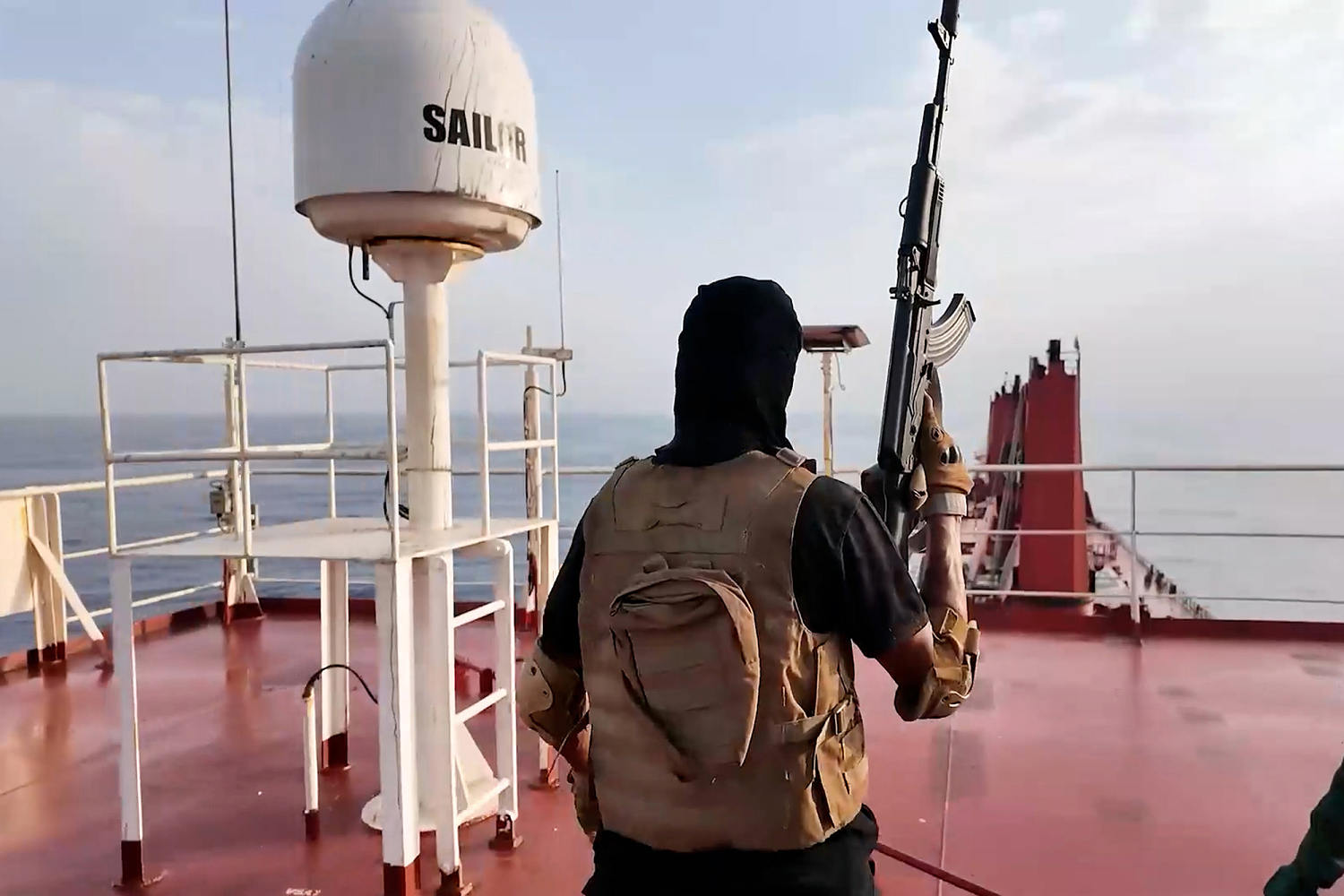
While it remains unclear if Iranian forces will directly attack Red Sea shipping, the Houthis, a proxy militia based in Yemen, have already significantly disrupted traffic through the waterway with attacks on vessels. Abdul Malik al-Houthi, the group’s leader, stated on March 5 that “our fingers are on the trigger, ready to respond at any moment should developments warrant it.”
Despite these threats, the Houthis have not yet entered the fight, even though it has been nearly three weeks since the U.S. and Israel began their strikes on Iran. Analysts suggest that the decision to act is still uncertain. Burcu Ozcelik, a senior research fellow at the Royal United Services Institute, noted that it is too soon to determine whether the Houthis will ultimately join Iran’s retaliation or not.
Complex Dynamics Between Iran and the Houthis
The relationship between Iran and the Houthis is not as straightforward as some might assume. Ozcelik emphasized that the Houthis are not simply following Iran’s orders. Instead, they are weighing their options and have shown restraint so far.
This complexity is further highlighted by the fact that the Houthis are still assessing their position. While the threat alone has caused significant disruption to Red Sea trade, the situation remains fluid. The global shipping and oil markets have already experienced chaos after Iran closed the Strait of Hormuz, leading to the worst disruption in the history of the oil market, according to the International Energy Agency.
In response to this crisis, Saudi Arabia has increased capacity in its East-West pipeline, which connects to the Red Sea on the other side of the Arabian Peninsula. Meanwhile, the United Arab Emirates has boosted the flow on its Habshan-Fujairah pipeline to the Gulf of Oman.
However, even at full capacity, these routes can only cover about one-quarter of the oil that normally passes through the Strait of Hormuz. David Butter, an associate fellow at the London-based think tank Chatham House, noted that these routes are vulnerable to attack by both Iran and the Houthis.
Historical Significance and Recent Disruptions
Historically, the Red Sea has played a crucial role in global trade, with around one-tenth of global seaborne oil shipments passing through the Bab el-Mandeb Strait, a narrow bottleneck of just 16 miles that separates the Arabian Peninsula and the Horn of Africa.
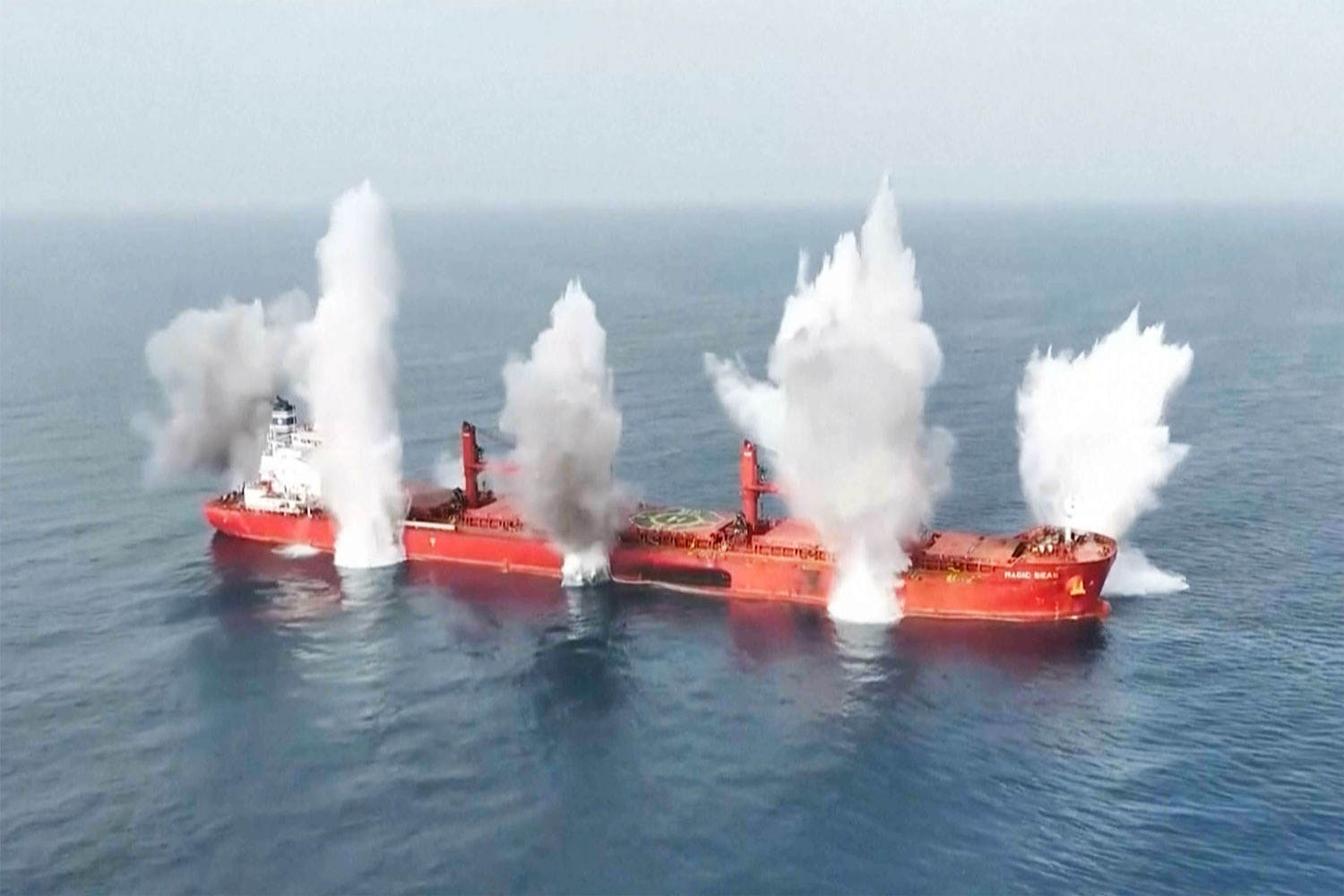
This changed in late 2023 when the Houthis began attacking ships using that route in response to Israel’s assault on the Gaza Strip. Red Sea shipping numbers plummeted, with traffic crossing the Suez Canal down 70% by the middle of 2024, according to a yearly review by the United Nations Trade and Development. Oil flows through Bab el-Mandeb were also cut in half, according to the U.S. Energy Information Administration.
Ships were forced to take the arduous and often more perilous trip around Cape Agulhas, the southern tip of Africa. Arrivals at the Cape of Good Hope, the region’s major port, were up 89% that year, UNCTAD said at the time. This shift contributed to the rising prices for goods that consumers have felt worldwide.
Last year, President Donald Trump launched a weekslong intensive bombing campaign against the Houthis that cost $1 billion before he announced a ceasefire. However, the group later sank two more ships.
It was only in December that oil tankers and cargo vessels had been “gradually making a return” to the Red Sea, according to the maritime intelligence company Lloyd’s List.
Then came the war with Iran.
Though the Houthis have not reignited their missile campaign, the threat of their doing so has coincided with a sharp reduction in Bab el-Mandeb traffic, according to an update from Windward, another maritime intelligence company.
“The Red Sea corridor is a space where African, Gulf, Middle Eastern, Asian and global powers converge,” Ahmed Soliman, a senior research fellow at Chatham House, told NBC News in an email. So “escalation in this arena would be hugely destabilizing for shipping.”
The Houthis’ hesitation likely reflects the pace and sequencing of Iran’s retaliatory response, according to Ozcelik at RUSI. Tehran may judge that the Houthi card is better held in reserve for later.
The pause also speaks to the internal factionalism within the movement, Ozcelik added, with hard-liners “spoiling for a fight” while others argue that “tightening control over Yemeni territory should take priority.”
Ultimately, the Houthis “will look to outlast the current war,” she said.