
How the U.S. military safeguards billions in ammunition across the nation
The U.S. Military’s Weapon Storage and Maintenance System
The U.S. military maintains a vast and intricate system for storing, maintaining, and protecting its stockpile of weapons and ammunition. This network is essential for ensuring that military personnel have access to reliable and functional equipment when needed. However, the complexity of this system also raises important questions about security, efficiency, and the challenges of managing such a massive inventory.
Precision and Discipline in Military Armories
Military armories have existed for centuries, evolving from simple storage facilities into highly sophisticated centers of weapon management. Today, these facilities are fortified, climate-controlled, and staffed by trained professionals who ensure that every firearm and piece of ammunition is in optimal condition. The level of precision and discipline required to maintain this system is staggering, as even minor lapses could have serious consequences.
These armories are not just places where weapons are kept—they are critical hubs for inventory tracking, maintenance, and distribution. Every firearm is assigned a unique serial number, and each movement in and out of the armory is meticulously documented. This ensures that no weapon is lost or misplaced, and that all equipment remains combat-ready at all times.
The People Behind the Weapons

Behind every secure armory are specialized personnel known as Armory Specialists. These individuals play a crucial role in managing the entire lifecycle of military weapons. Their responsibilities include inventory control, regular inspections, and ensuring that all firearms are properly maintained and accounted for.
When a soldier checks out a weapon, there is a detailed process involved. This includes verifying the soldier’s identity, logging the serial number, and conducting a thorough safety check. Upon return, the weapon undergoes cleaning, inspection, and secure storage. This rigorous process helps prevent misuse and ensures that only functional weapons are issued to troops.
Security Measures: How Safe Are These Armories?

Security is a top priority in military armories, especially given the sheer volume of firepower stored within these facilities. Access is strictly controlled, with only authorized personnel allowed entry. Many armories operate around the clock, and some, like the 341st Security Support Squadron Armory at Malmstrom Air Force Base, are responsible for guarding nuclear assets.
Weapons that require repairs are tagged and separated from operational firearms to prevent defective equipment from being deployed. Each malfunction is logged into a maintenance system, and the affected weapon is either repaired or replaced. This ensures that only fully functional weapons are used in the field.
Handling Nuclear Security and High-Stakes Weapons
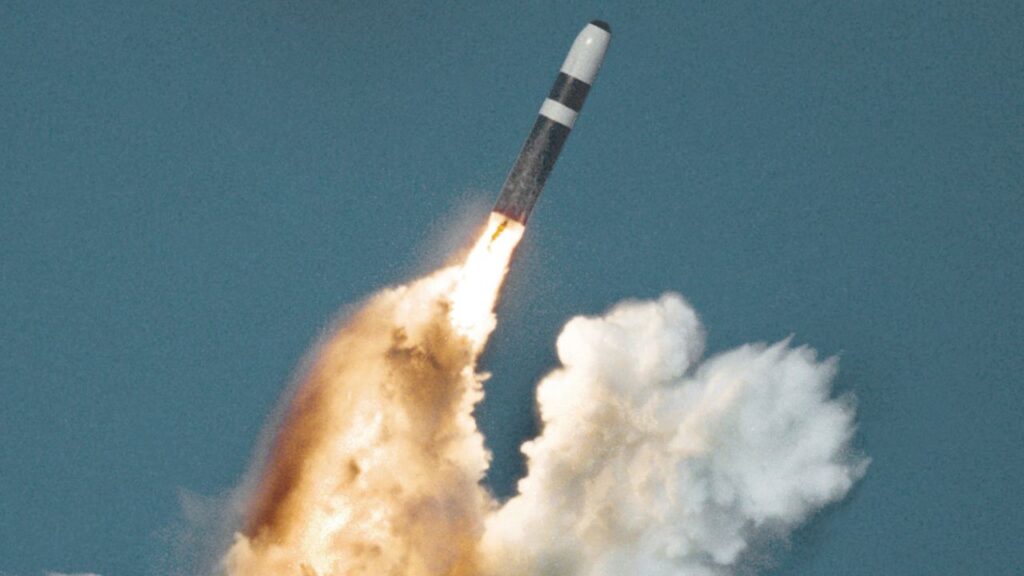
Not all armories deal with standard firearms. Some facilities are tasked with managing nuclear weapons, which introduces an entirely new level of risk and responsibility. One such facility is Malmstrom Air Force Base, which serves as the largest 24-hour armory under the U.S. Global Strike Command. This base plays a critical role in securing nuclear missile fields, making it one of the most sensitive and high-stakes locations in the military.
The procedures for handling weapons in these high-security armories are extremely strict. Every serial number is tracked, and every firearm is inspected before deployment and upon return. Troops must verify that their assigned weapons are safe and clear before they can be used, leaving no room for error in such critical situations.
Weapon Repairs and Maintenance: Keeping Firearms Combat-Ready
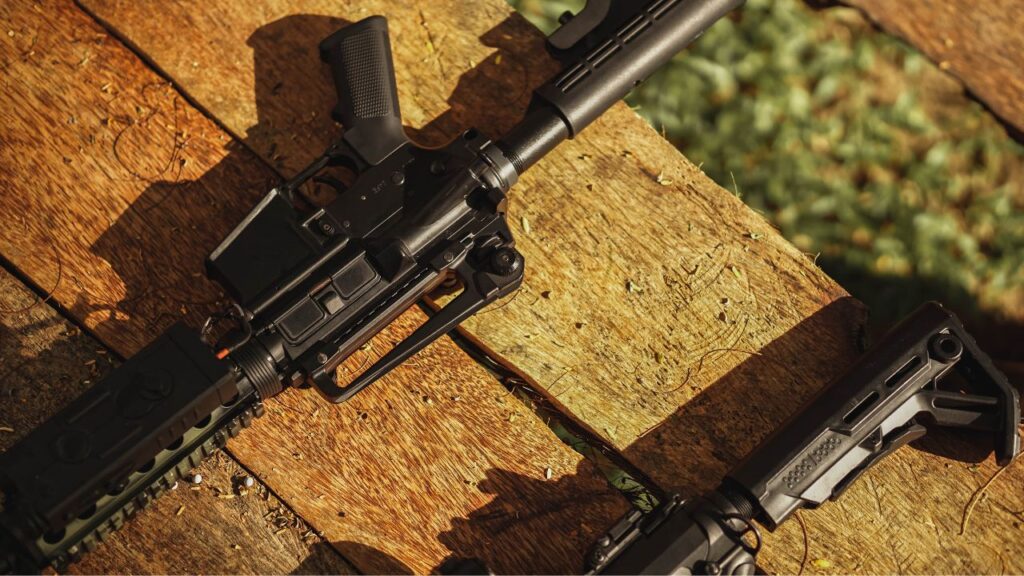
Maintaining a large stockpile of weapons requires constant attention. Every armory has dedicated spaces for repairs, and specialists work diligently to keep firearms in working condition. If a soldier reports a malfunction, the weapon is immediately flagged for inspection. Minor issues are addressed on-site, while more serious damage may require the weapon to be sent to a specialized facility for advanced repairs.
In addition to standard firearms, some armories maintain historical weapons for ceremonial use. For example, the Marine Corps still uses M1 Garands, which date back to World War II. These rifles are used in parades and drill performances, requiring frequent maintenance. Skilled armorers rebuild components by hand, ensuring that these historic pieces remain in working order.
Recycling Spent Ammunition: What Happens to All That Brass?

The U.S. military uses an enormous amount of ammunition each year, and managing spent casings is an essential part of the process. Facilities like Joint Base San Antonio-Lackland sort through thousands of pounds of brass casings weekly. These casings range in size from small handgun rounds to large .50 caliber shells.
Before recycling, each casing is sorted, cleaned, and checked for live rounds that may have been accidentally mixed in. This process is critical for both material conservation and safety, as improperly handled casings could pose serious risks. The recycled brass also generates significant revenue, which is reinvested into military operations.
Moving Ammunition Across the Globe
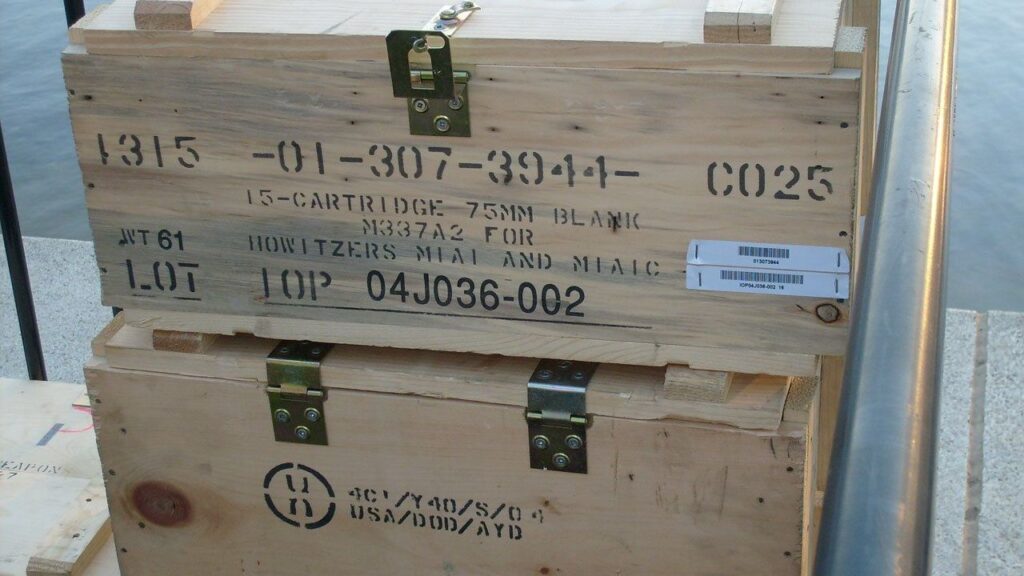
Transporting ammunition is another complex challenge. Every round, missile, and bomb must be carefully tracked from the manufacturer to the front lines. At facilities like Crane Army Ammunition Activity, munitions are stored, transported, and meticulously monitored to ensure nothing is lost or misplaced.
Specialized equipment is used to move large shipments safely, and every piece of ammunition follows a strict paper trail. This level of detail ensures that the military can efficiently distribute its resources while minimizing the risk of errors or delays.
The Precision of Munitions Manufacturing
A key factor in maintaining the military’s stockpile is the production of high-quality ammunition and weapons. Manufacturers adhere to strict quality control standards, testing every component before it is deployed. Any item that fails inspection is not shipped, and in some cases, parts are rebuilt using advanced machining techniques.
This precision ensures that military personnel receive weapons that are reliable, functional, and ready for combat. It also highlights the importance of continuous innovation and improvement in the manufacturing process.
Is the Stockpile Safe?
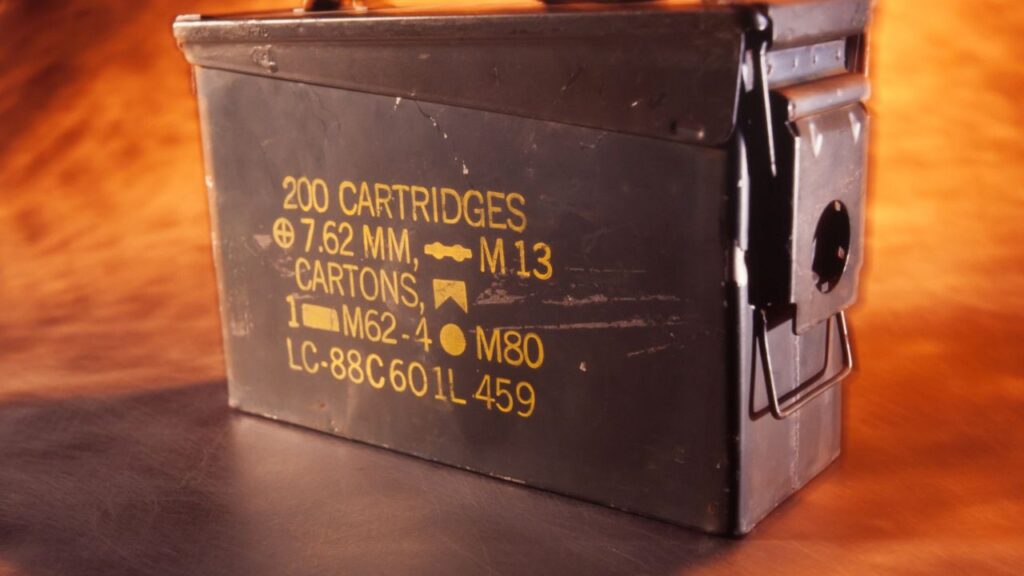
After examining the various aspects of the U.S. military’s weapon storage and maintenance system, the question remains: is the stockpile safe? In general, the answer is yes. The layers of security, inventory tracking, and quality control are highly effective in preventing loss, theft, or misuse.
However, no system is completely foolproof. Human error and oversight are potential vulnerabilities, but the military has implemented robust procedures to minimize these risks. Overall, the system is designed to be as secure, organized, and efficient as possible, ensuring that weapons remain where they belong and are always ready for action.