Top 10: Best Soviet Warplanes of WWII
The Evolution of the Soviet Air Force During World War II
Despite being the world’s largest air force, the Soviet Air Force (VVS) was caught off guard by the German invasion on 22 June 1941. On that single day alone, an astonishing 2000 Soviet aircraft were destroyed on the ground. However, emerging from this devastating loss during the brutal years of the Great Patriotic War, the VVS returned with increasingly powerful aircraft in greater numbers. These combat planes were known for their durability, ability to endure harsh airfields and extreme climates, and ease of mass production. Here are ten of them.
10: Bell P-39 Airacobra
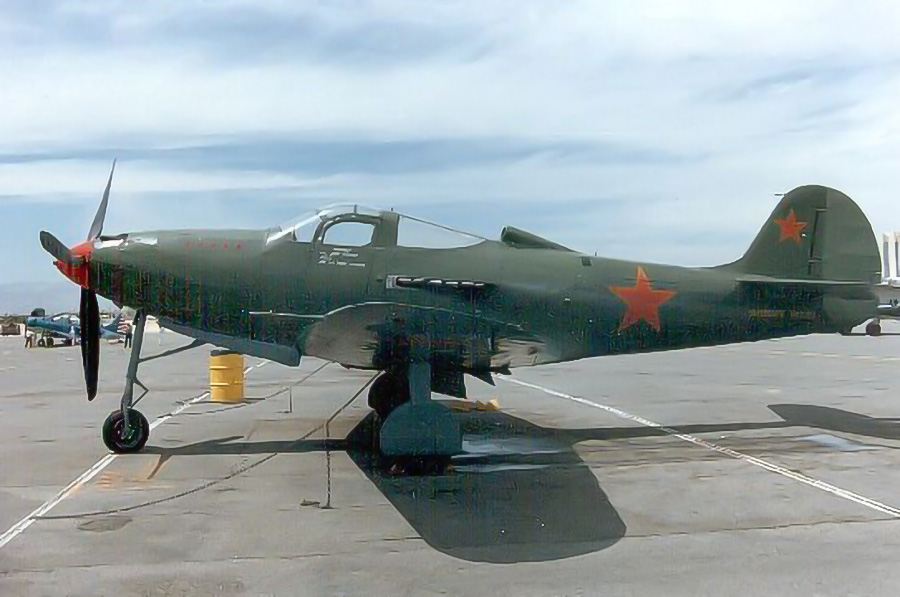
The radical Bell P-39 Airacobra was an American aircraft that proved unpopular in US and British hands but found its ideal role on the Eastern Front, becoming the most successful of the Lend-Lease fighters serving with the USSR. It earned the affectionate nickname “Kobrushka” (“Little Cobra”).
The P-39 was unique for its time, featuring an engine behind the pilot and a tricycle undercarriage. While most fighters used a tail-dragger configuration, the P-39’s design made it forgiving for takeoff and landing on rough airfields. Its combination of a heavy-hitting 37-mm cannon in the nose, excellent maneuverability, and low-altitude performance made it a formidable opponent.
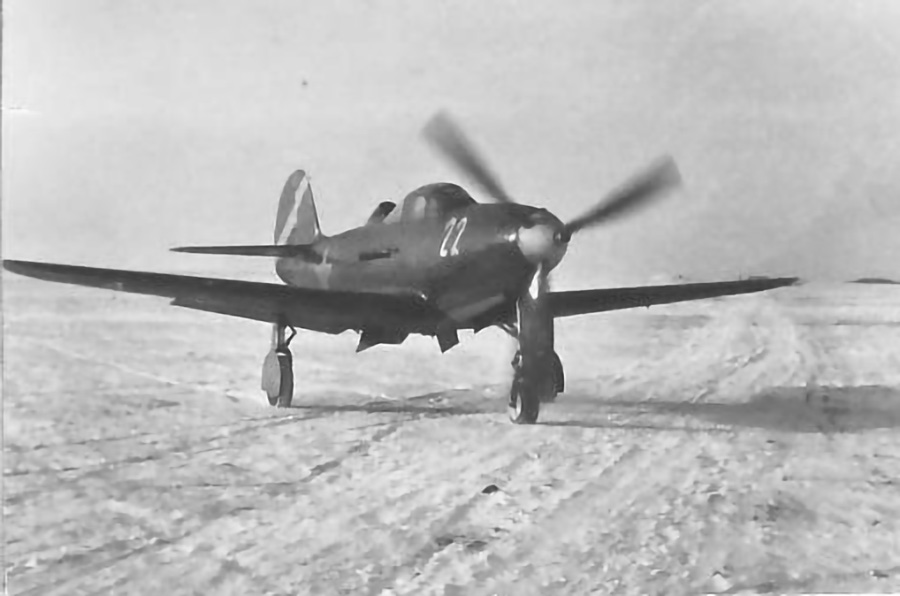
As Soviet production facilities moved eastward, there was a temporary shortage of fighters, and the delivery of the P-39s was timely. Ultimately, the P-39 story became largely a Soviet affair, with around half of all the P-39s produced serving in the USSR. Soviet pilot Grigory Rechkalov shot down 48 enemy aircraft while flying the P-39.
9: Ilyushin Il-4 (DB-3F)
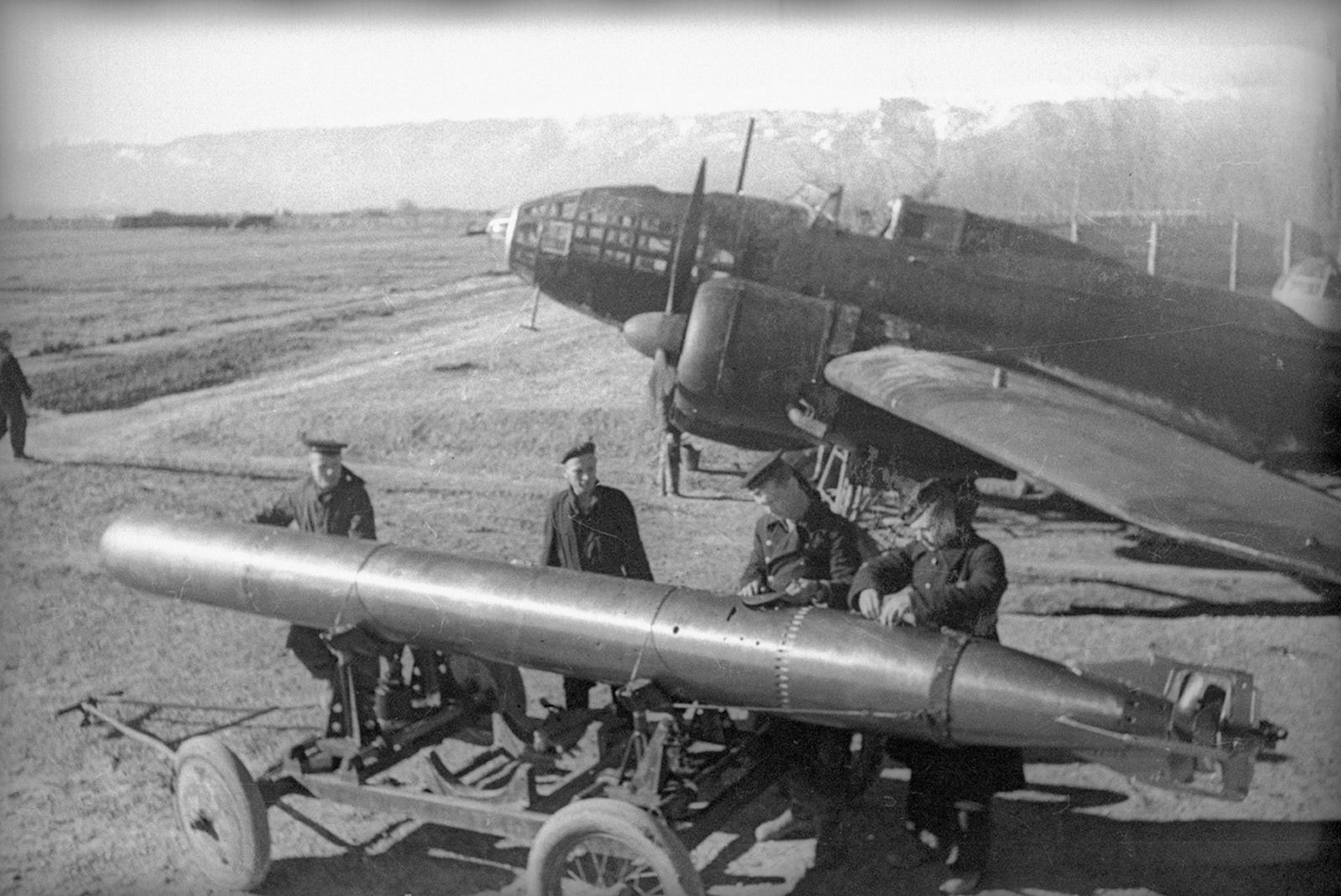
The DB-3 was the first all-metal long-range bomber used by the Soviet Air Force. Though impressive, it required an enormous effort to build—30,301 man-hours per aircraft. To improve this, the DB-3F was created, incorporating new construction techniques learned from American designs and other enhancements. This significantly reduced the building time to 14,331 man-hours per aircraft.
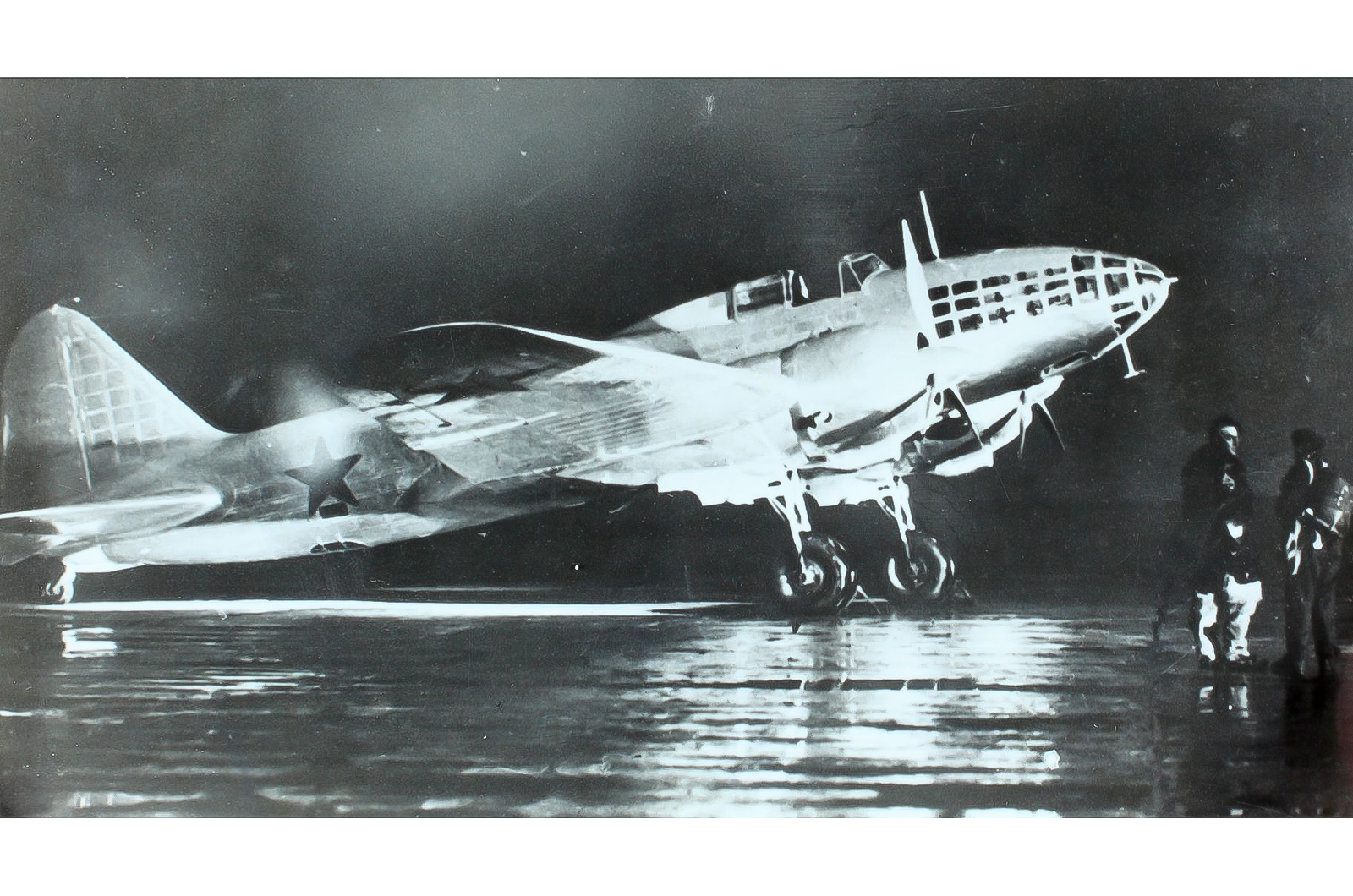
Pushed into an unsuitable emergency tactical role after the invasion, the DB-3F endured high losses. As a long-range bomber, it was used to attack Berlin. Redesignated as the Il-4 in early 1942, it had an impressive range that enabled strategic missions. The Il-4T variant was also capable of operating in both Western and Pacific theaters.
8: Lavochkin La-5FN / La-7
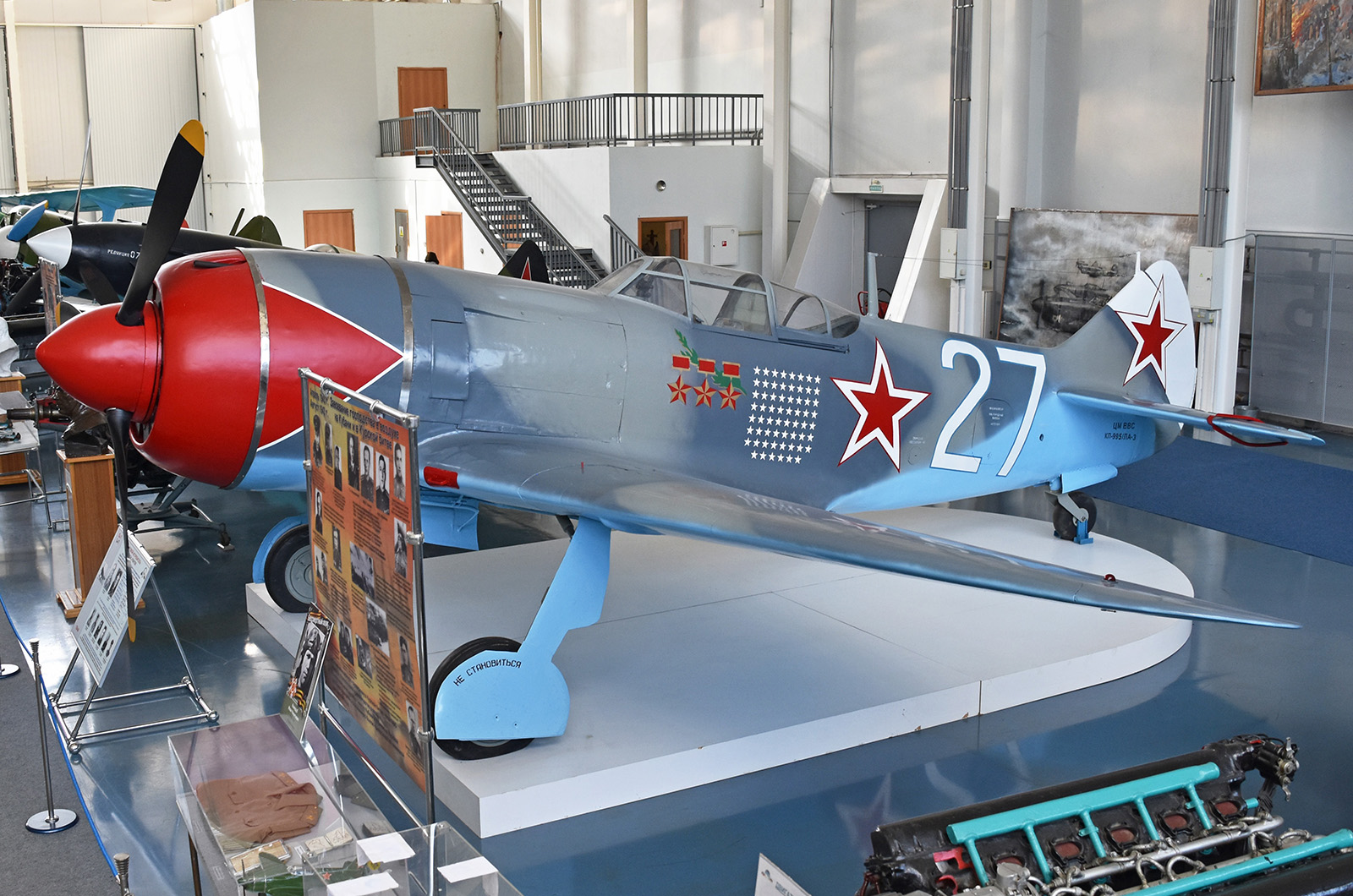
Lavochkin improved the LaGG-3 fighter by replacing its inline Klimov-M 105PF engine with the Shvetsov M-82 radial engine. This upgrade led to the creation of the La-5, which was vastly improved with a 1649 horsepower engine. The La-5FN, with its fuel-injected M-82FN engine, reached speeds over 400mph and became the mount of the greatest Allied ace, Ivan Kozhedub.
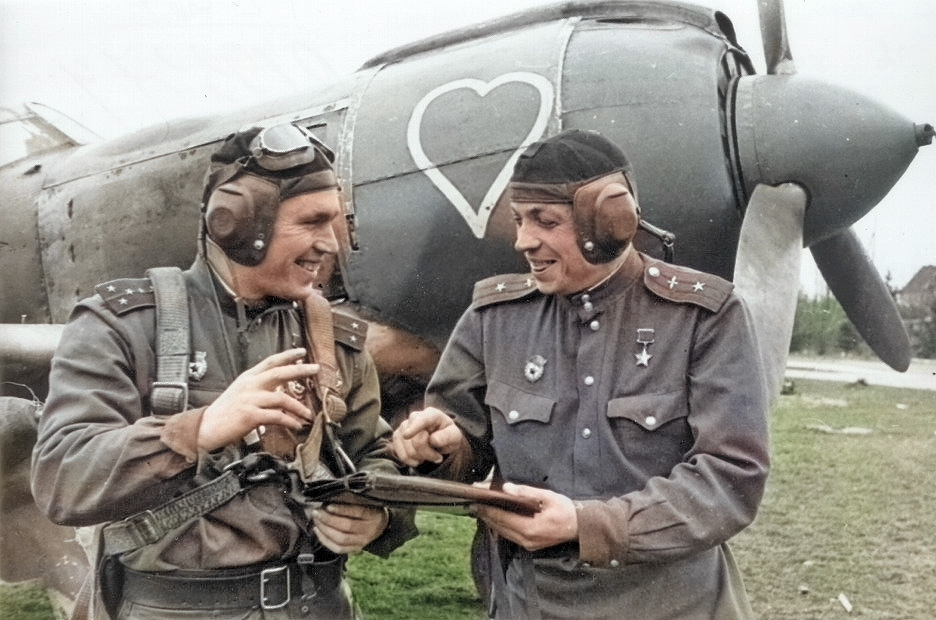
The La-7 was initially intended as an interim fighter but became the ultimate Lavochkin fighter of World War 2. It featured refinements such as repositioning the supercharger air intake and moving the oil cooler, resulting in a top speed exceeding 410mph.
7: Tupolev Tu-2
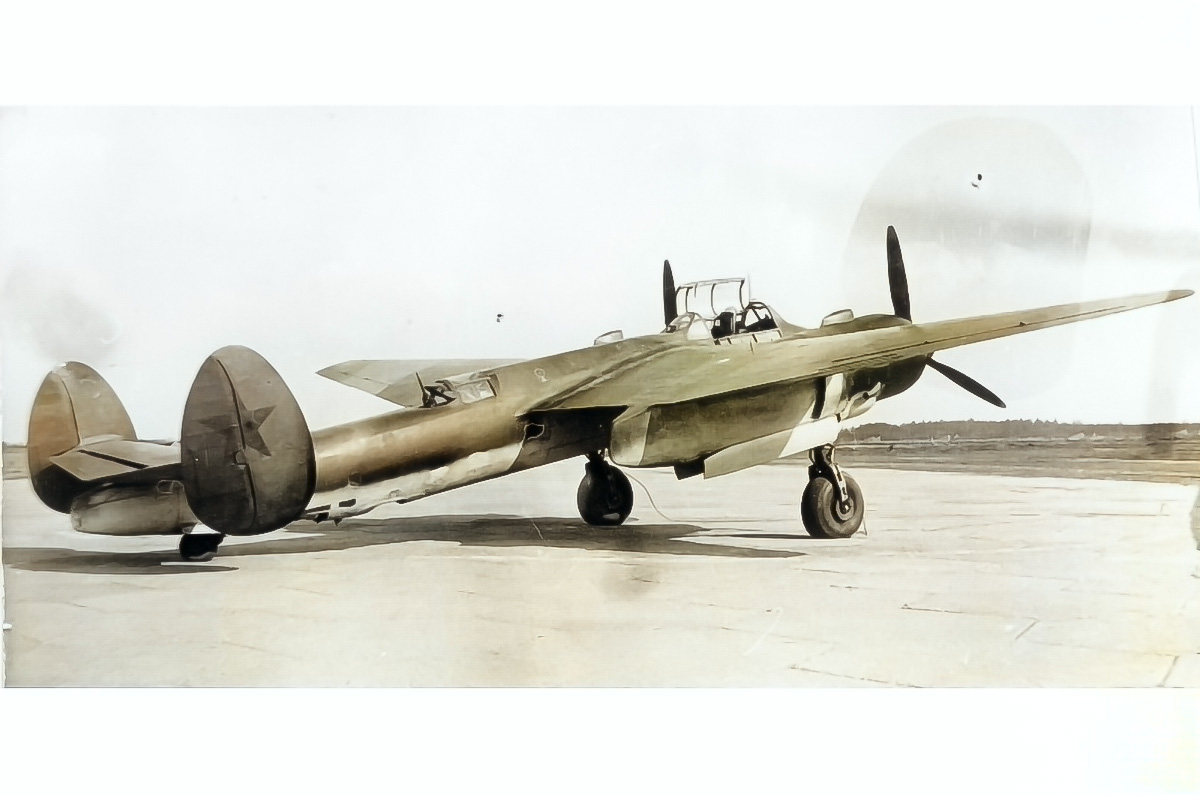
Andrei Tupolev designed the Tu-2 while serving a prison sentence for espionage and sabotage. Initially called Aircraft 103, the twin-engined medium bomber was faster than most operational fighters of its time. Powered by two Mikulin AM-37 inline engines, it had a top speed of 395mph.
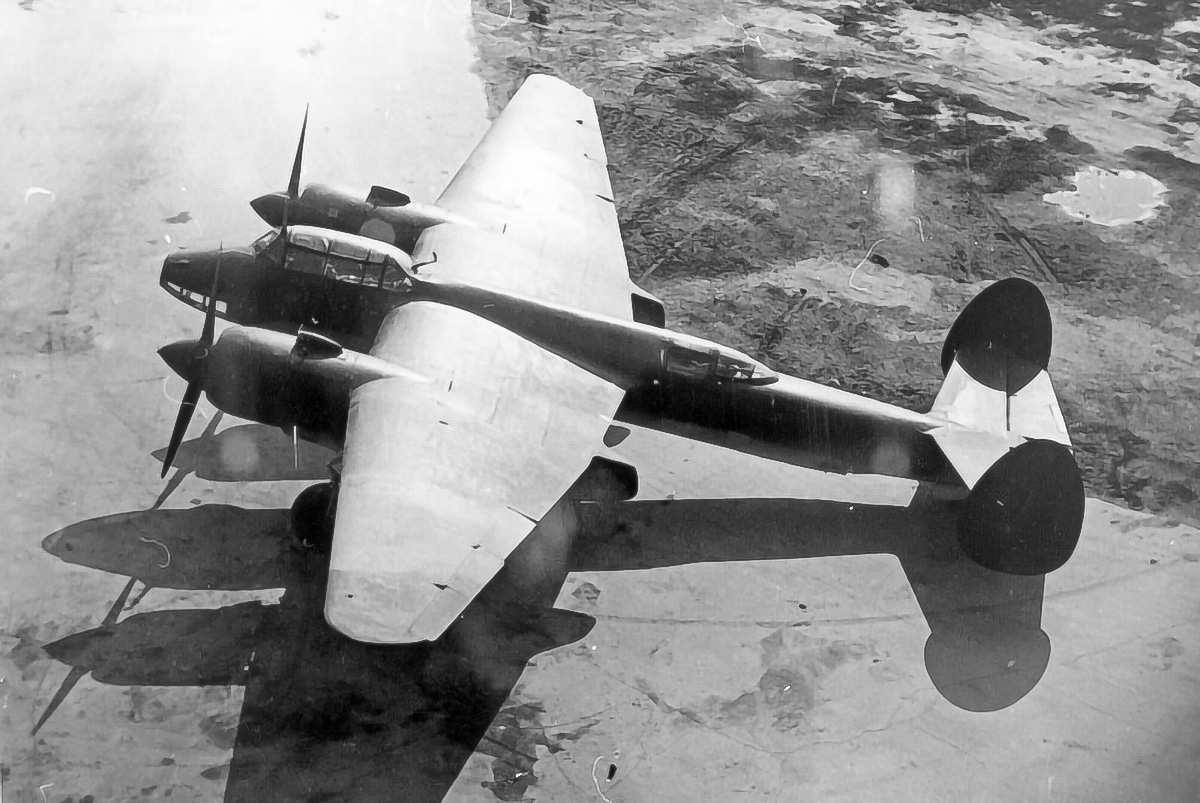
Later upgrades included more reliable Shvetsov M-82 radial engines, reducing the top speed to 328mph but still making it a challenging target. The Tu-2S version, with upgraded Ash-82FN engines, became even more formidable with increased firepower and bomb capacity.
6: Petlyakov Pe-8
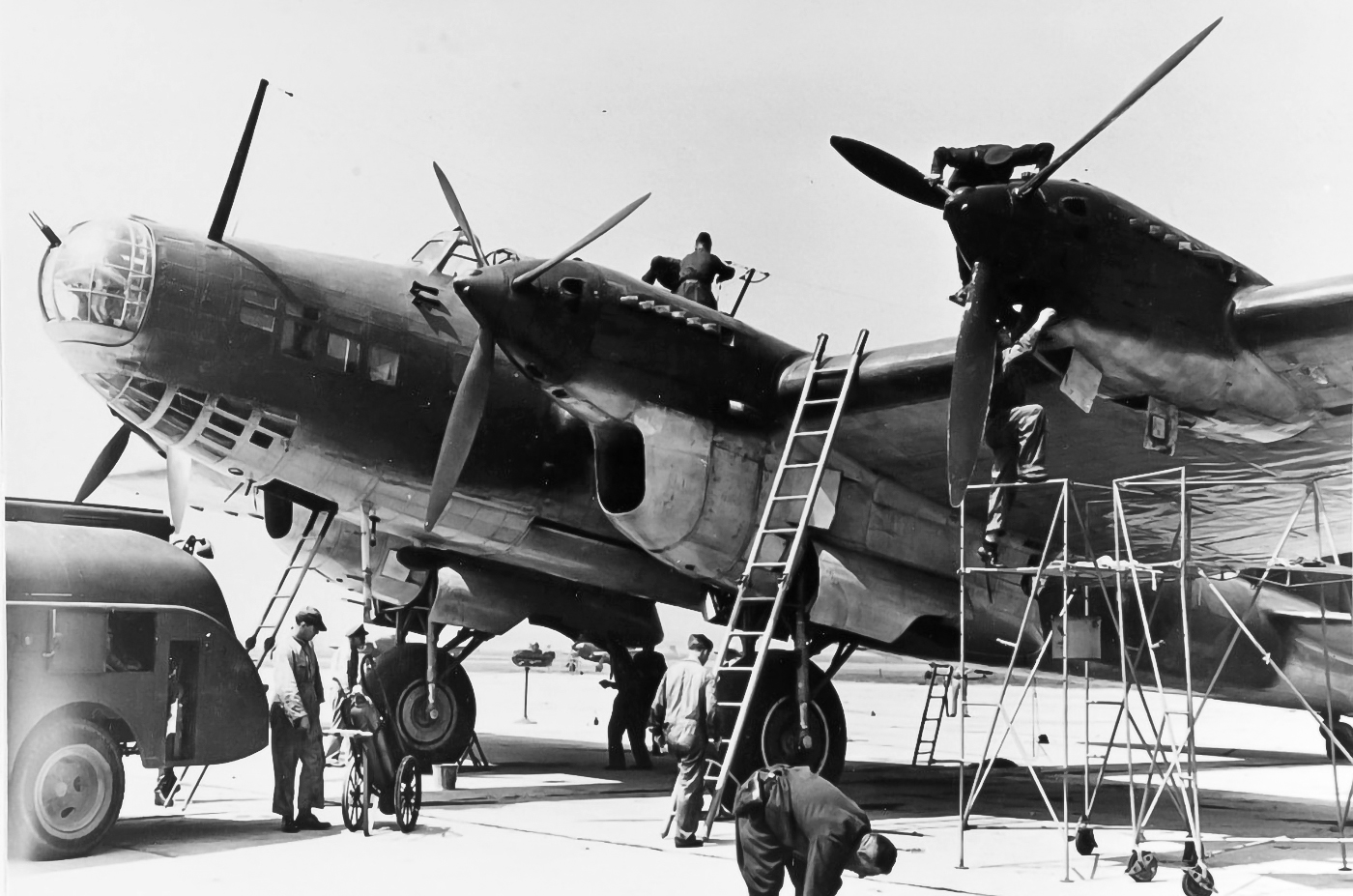
The Pe-8 was a heavy four-engined bomber that first flew in 1936. It offered double the performance of the Tupolev TB3. Powered by four Mikulin AM-35 V-12 inline engines, it could carry up to 11,000 Ib of bombs and had a range of up to 2300 miles. Despite its capabilities, only 93 units were built due to the focus on tactical air power.
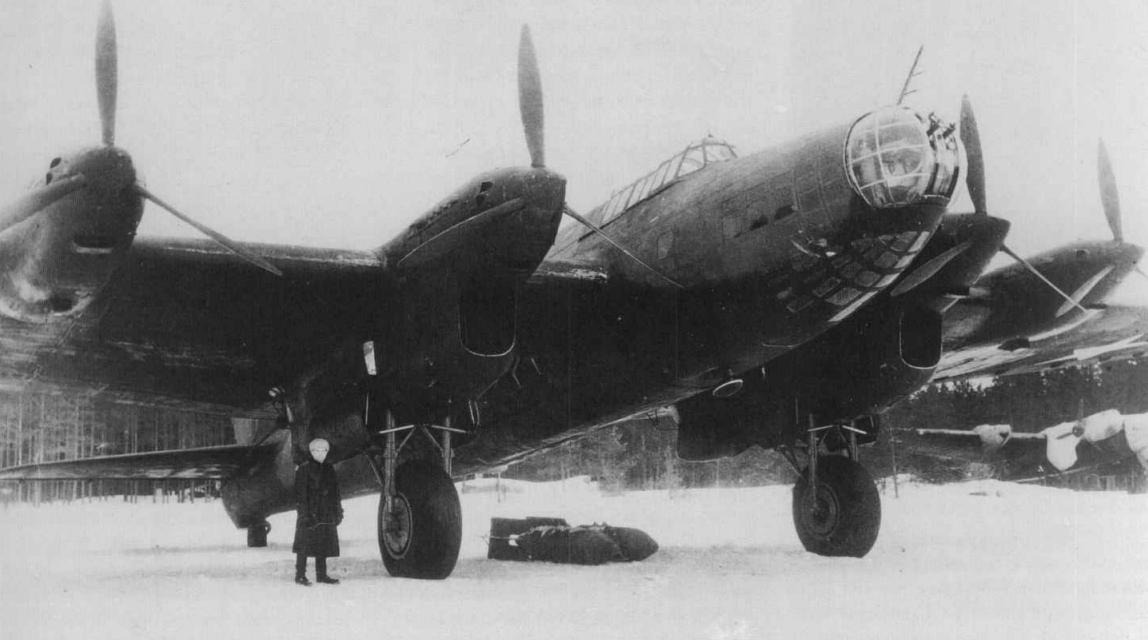
The Pe-8 gained international fame when Foreign Minister Molotov used it to travel to Washington in 1942. It bombed Berlin from 1941 onwards and enjoyed a good survival rate until German defenses improved.
5: Polikarpov Po-2
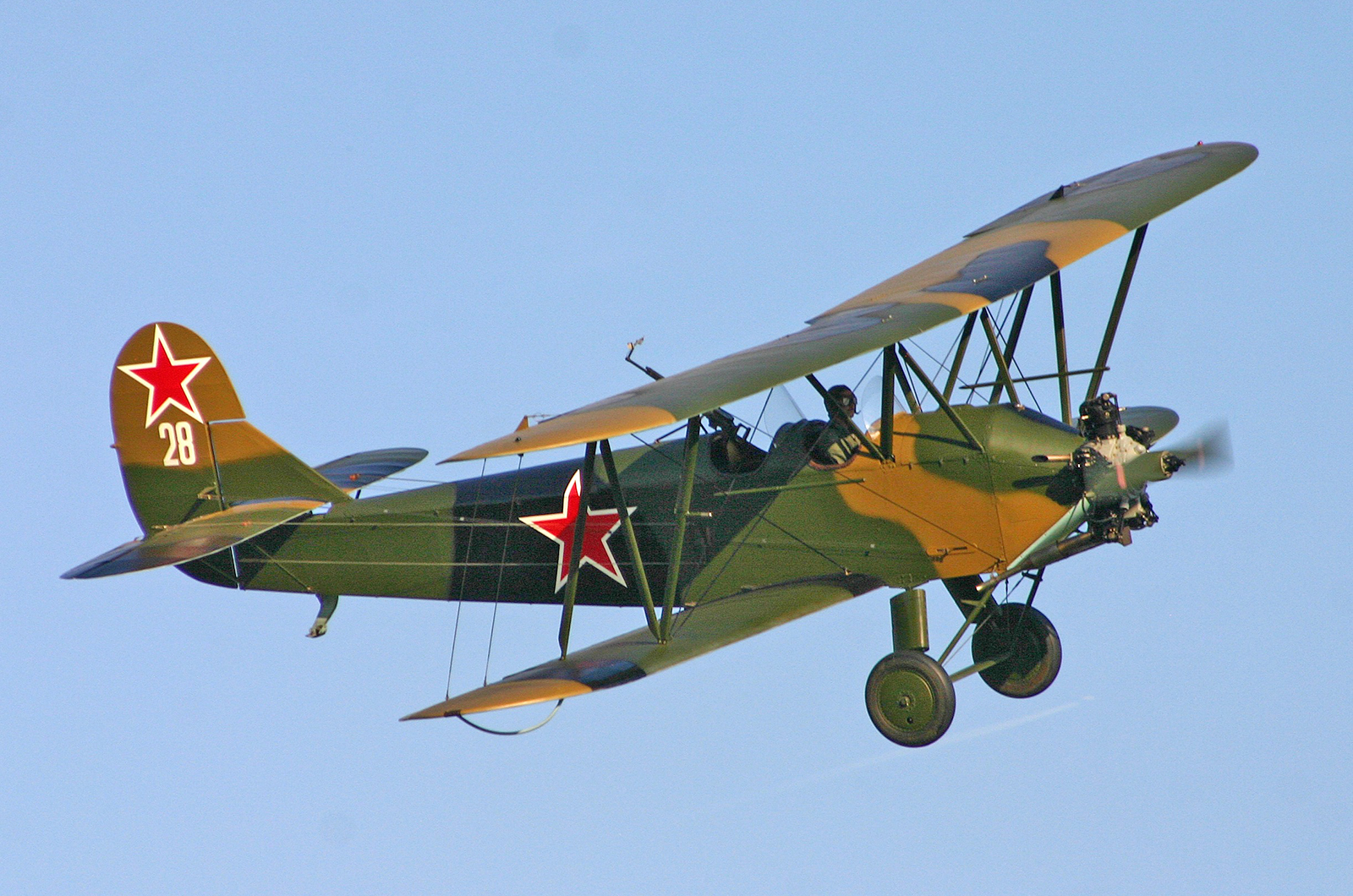
The ‘Night Witches’ were an all-female bomber regiment that terrified Axis forces with their sleep-depriving harassment raids. They flew the Polikarpov Po-2, a simple biplane that was difficult to intercept. Its small size, low altitude flights, and minimal engine noise made it nearly undetectable.
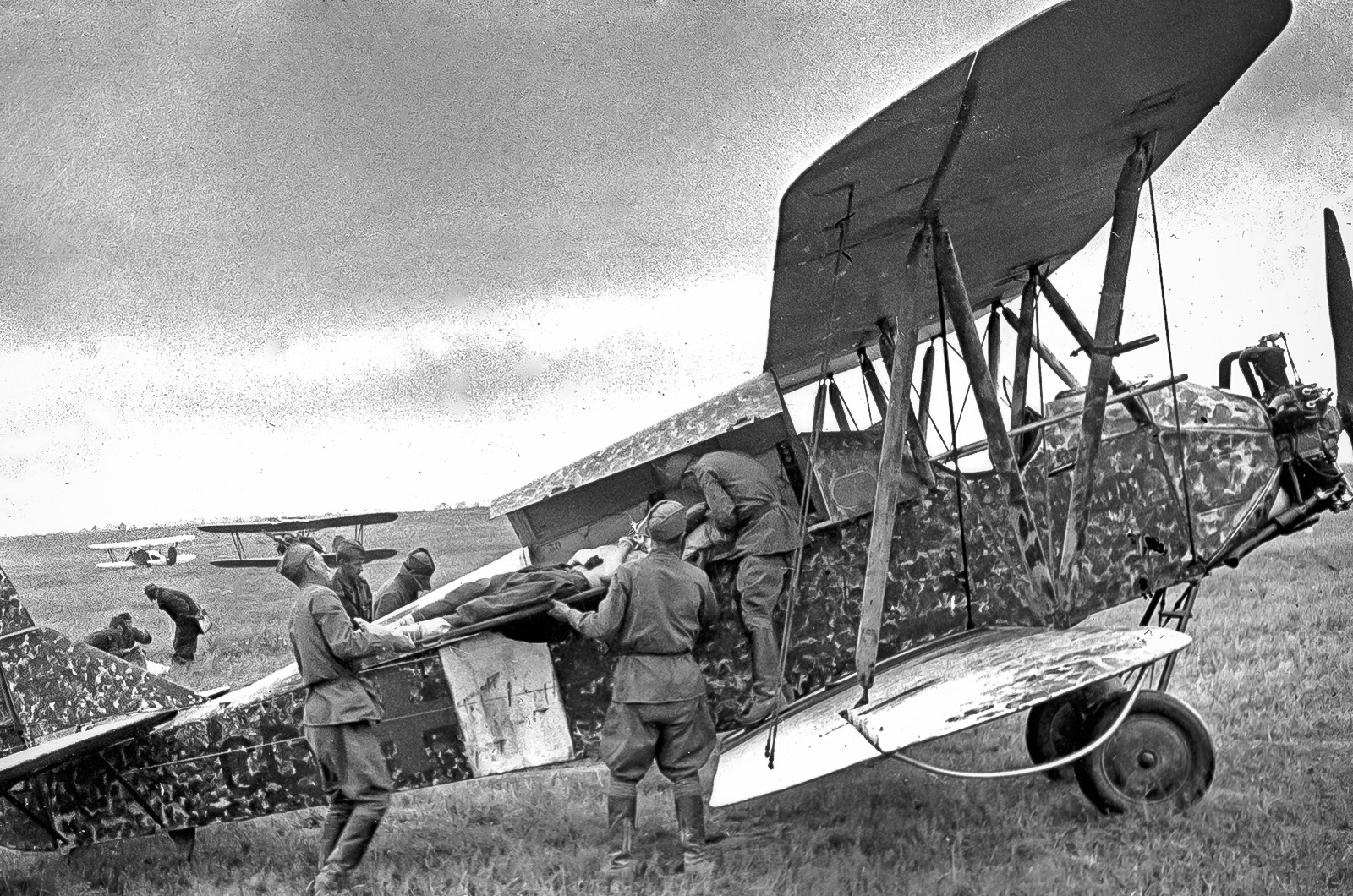
The Po-2 had excellent STOL performance and was easy to manufacture. It was used in various roles, including training, medevac, reconnaissance, and ground attack. An estimated 32,000 units were built, making it the most-produced biplane in history.
4: Petlyakov Pe-2
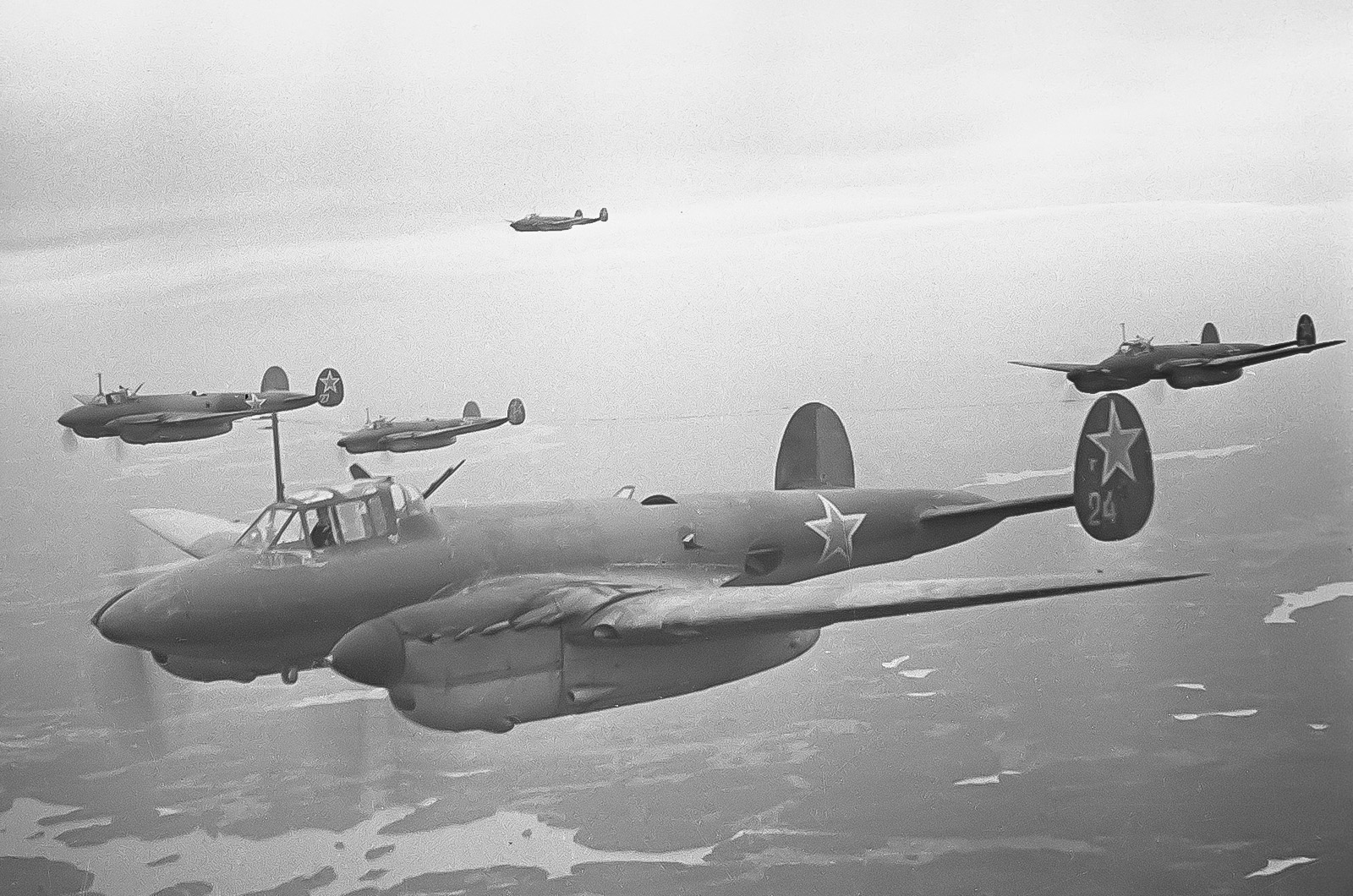
The Pe-2 was conceived as a high-speed high-altitude fighter with a pressurized cockpit. Converted to a dive bomber in just 45 days, it became one of the most effective tactical aircraft of the war. A total of 11,074 units were manufactured.
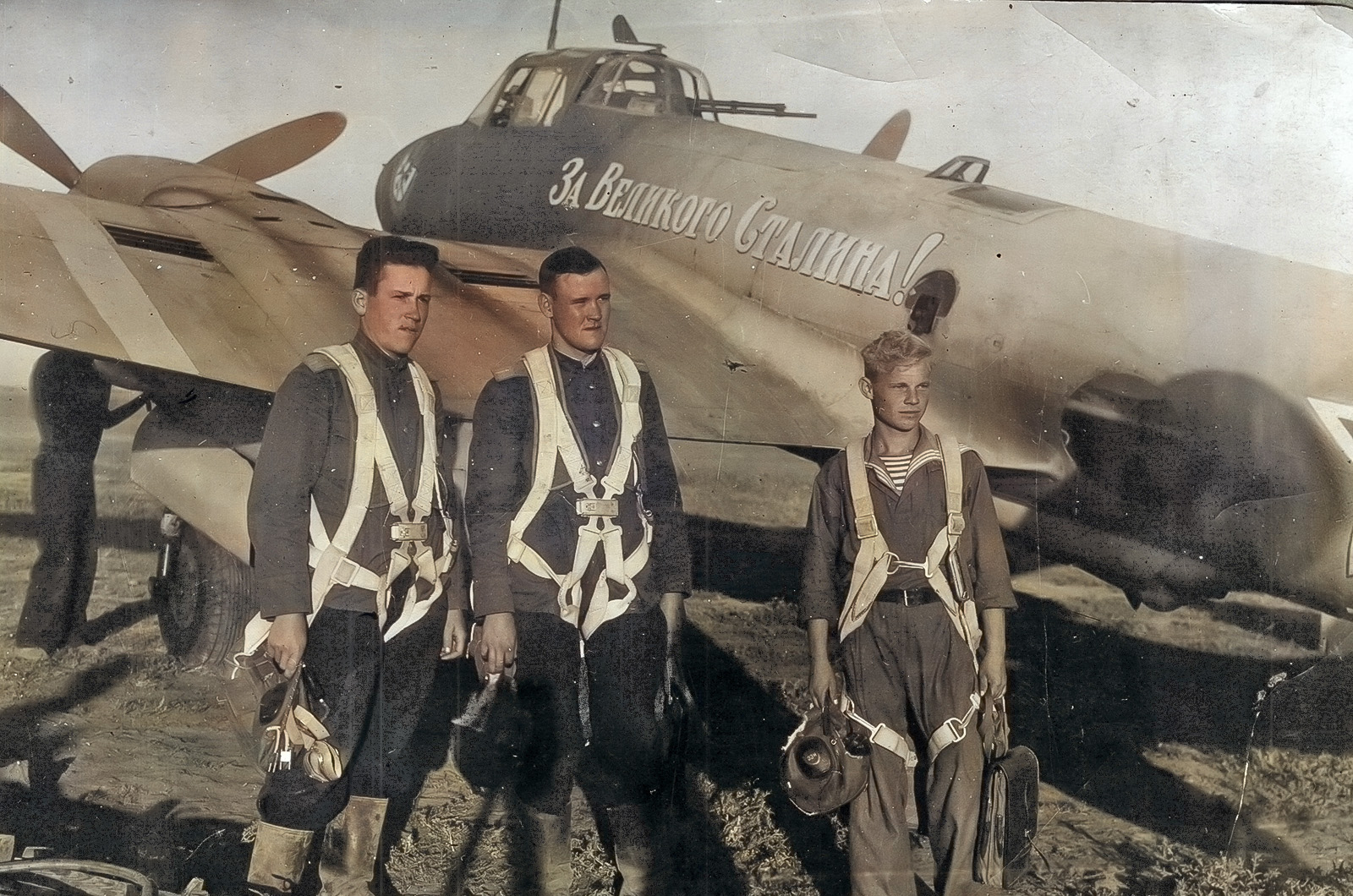
Its most famous achievement was the attack on the Romanian Ploiești oilfield in July 1941, where six Pe-2s destroyed a quarter of a million tons of oil.
3: Polikarpov I-16
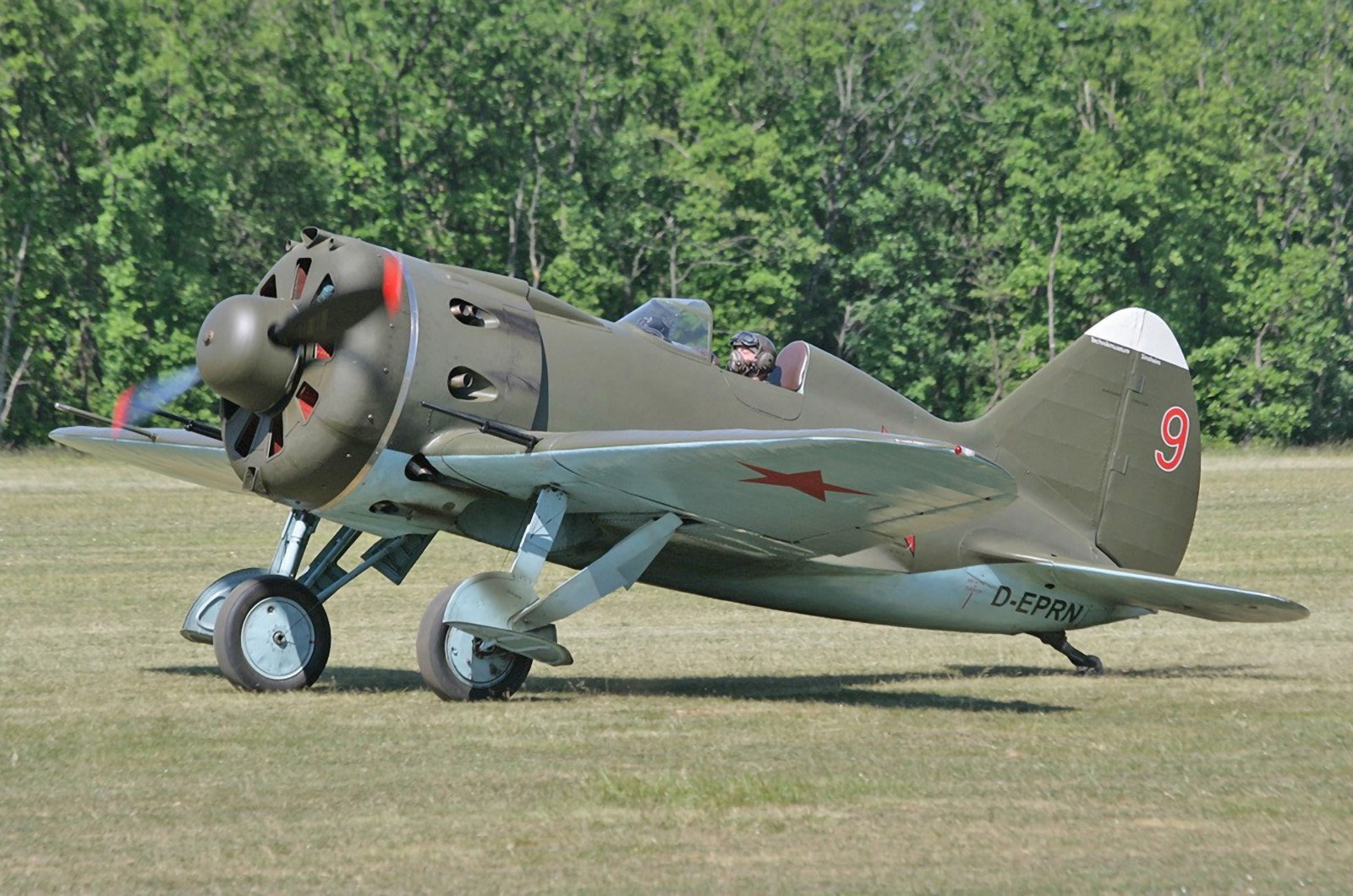
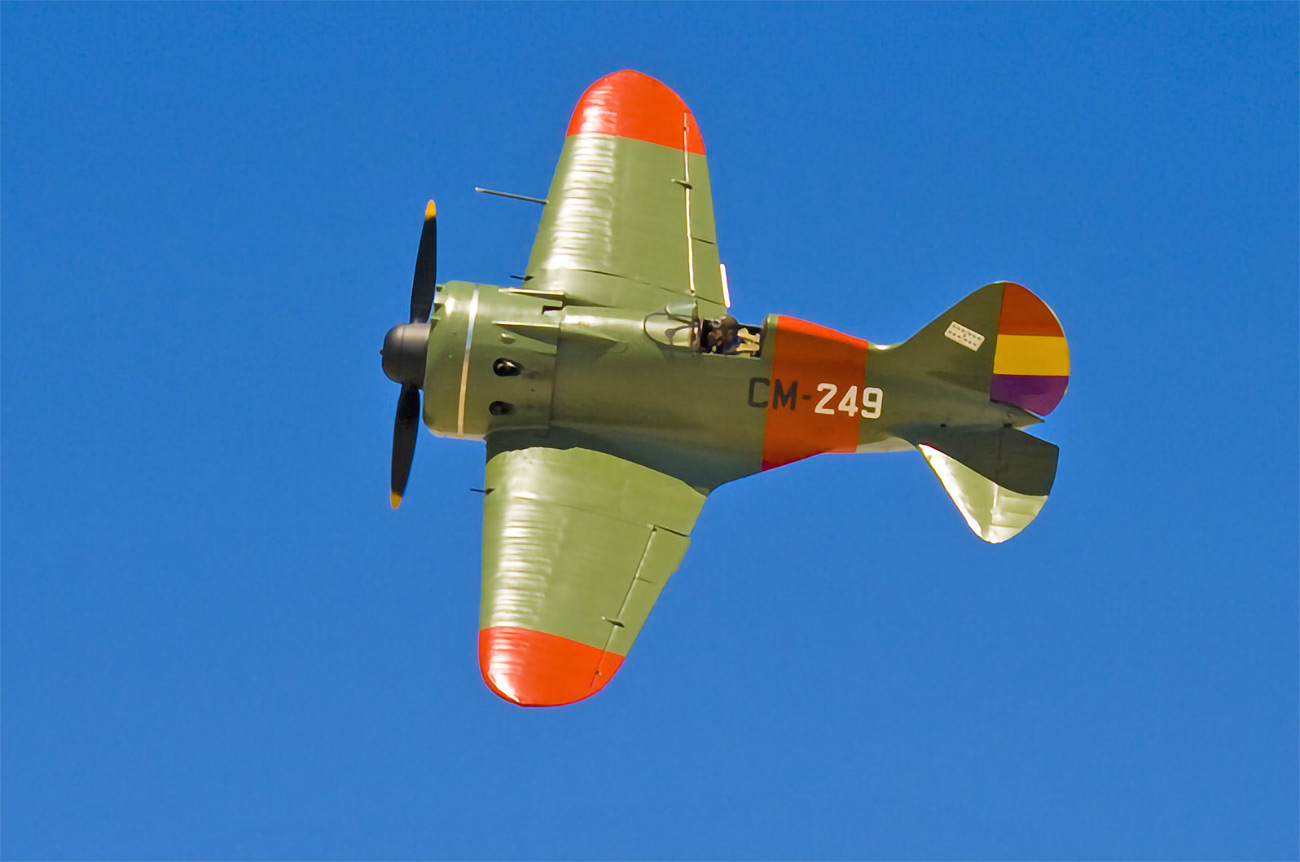
In the early to mid-1930s, the Polikarpov I-16 was likely the best fighter in the world, with a phenomenal climb rate and top speed. It introduced the era of cantilever monoplane fighters with retractable undercarriages and enclosed cockpits.
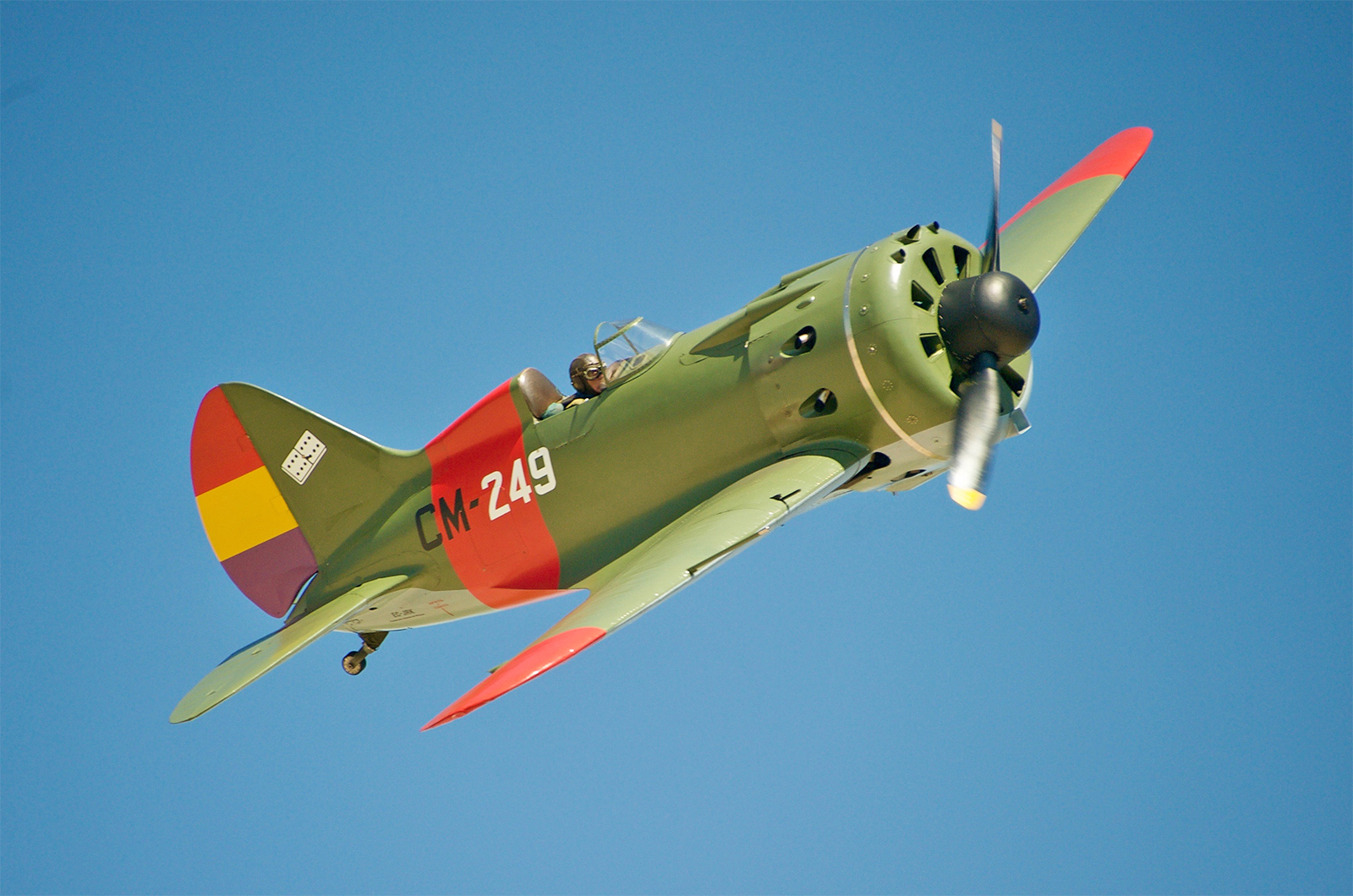
Although it was outmatched by the Bf 109 by 1941, its agility allowed experienced pilots to hold their own. The I-185, a superior but less mature design, lost out to the La-5.
2: Yakovlev Fighter Series
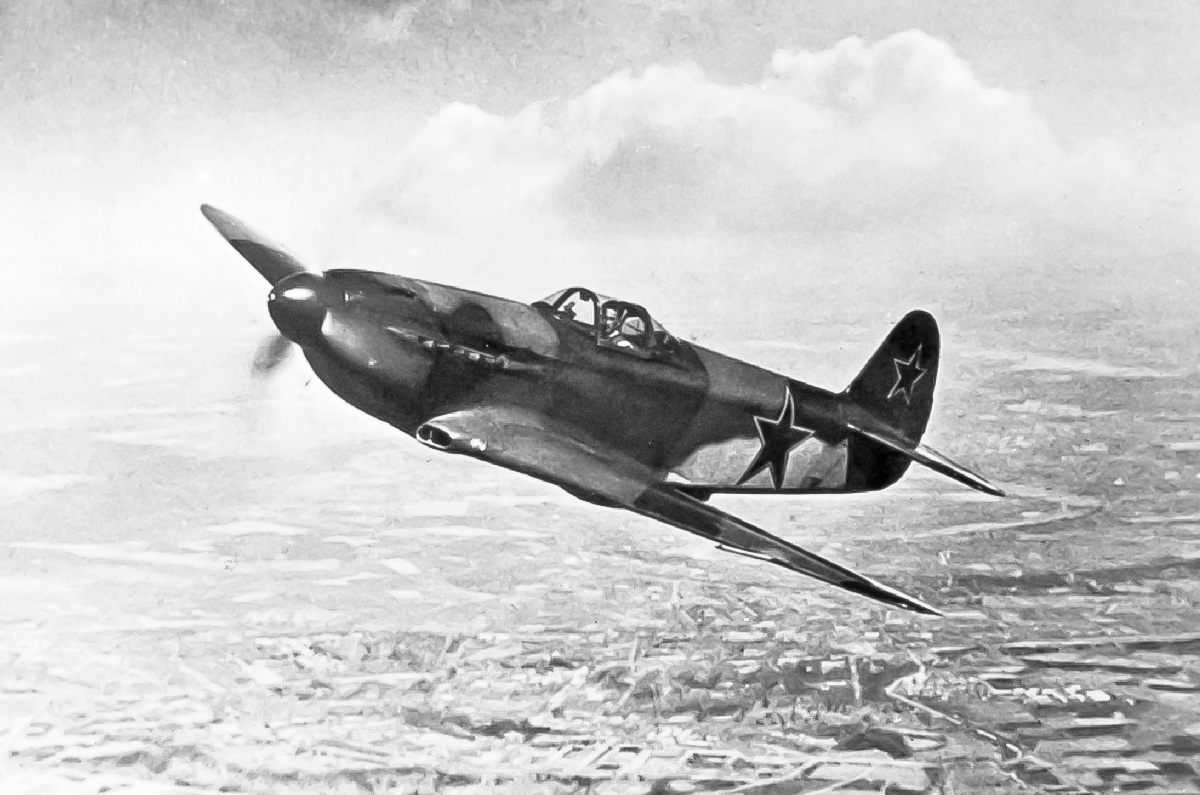
Alexander Yakovlev impressed authorities with his I-26 light fighter, earning him the Order of Lenin. The Yak-1 was ordered into mass production shortly after its prototype flew in 1940. Despite being inferior to the Bf 109, experienced pilots like Lydia Litvyak could hold their own.
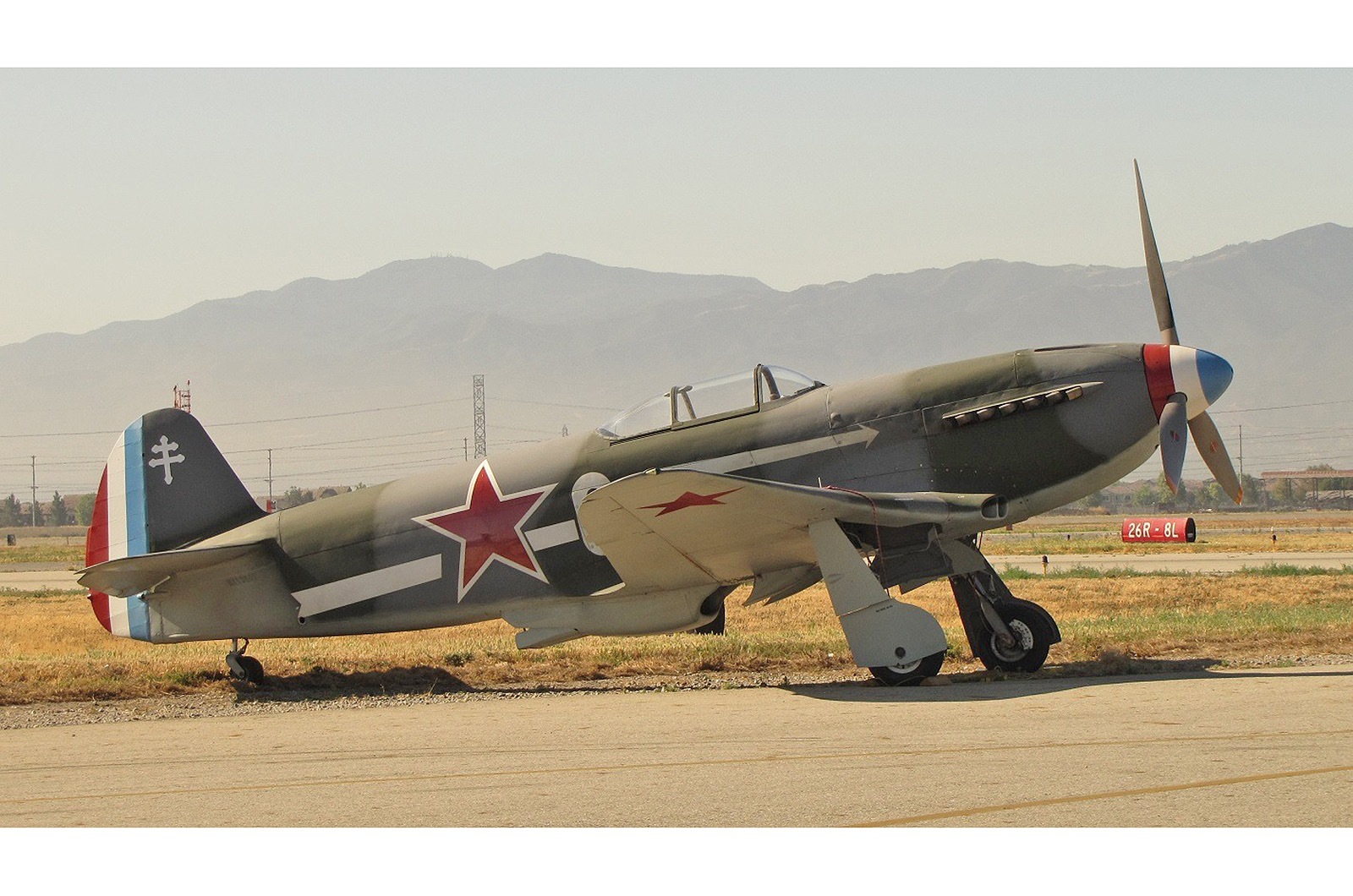
The Yak-7 evolved into the Yak-9, while the Yak-3, introduced in 1943, matched any contemporary Luftwaffe fighter. With a 20-mm cannon and two 12.7mm machine guns, it was a formidable opponent.
1: Ilyushin Il-2
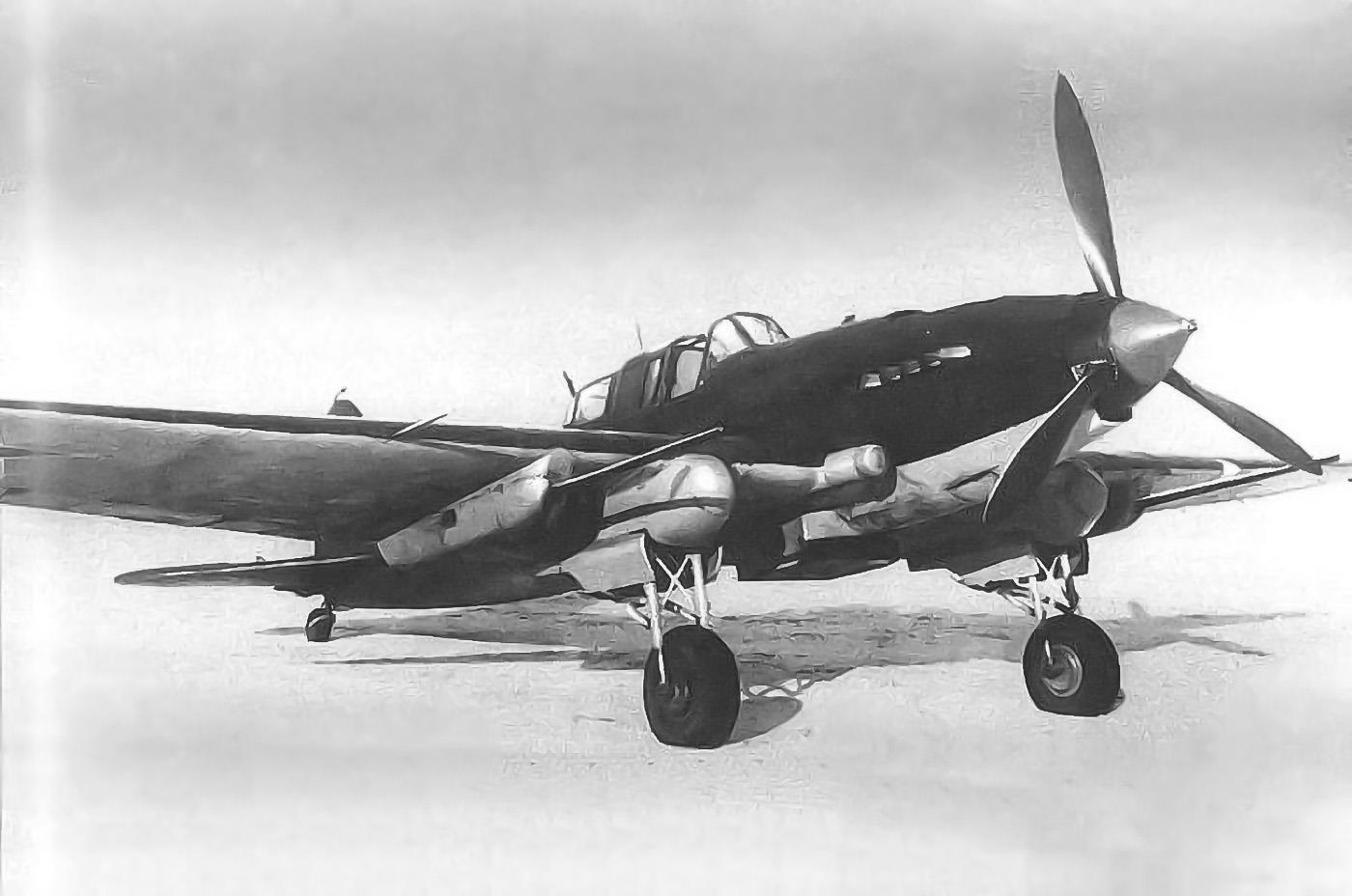
For the British, the Spitfire is iconic; for the Soviets, the Ilyushin Il-2 holds the same status. Known as the Shturmovík, it was crucial in supporting the Red Army. The Il-2 was built around an armoured shell, providing protection to the crew and critical systems.
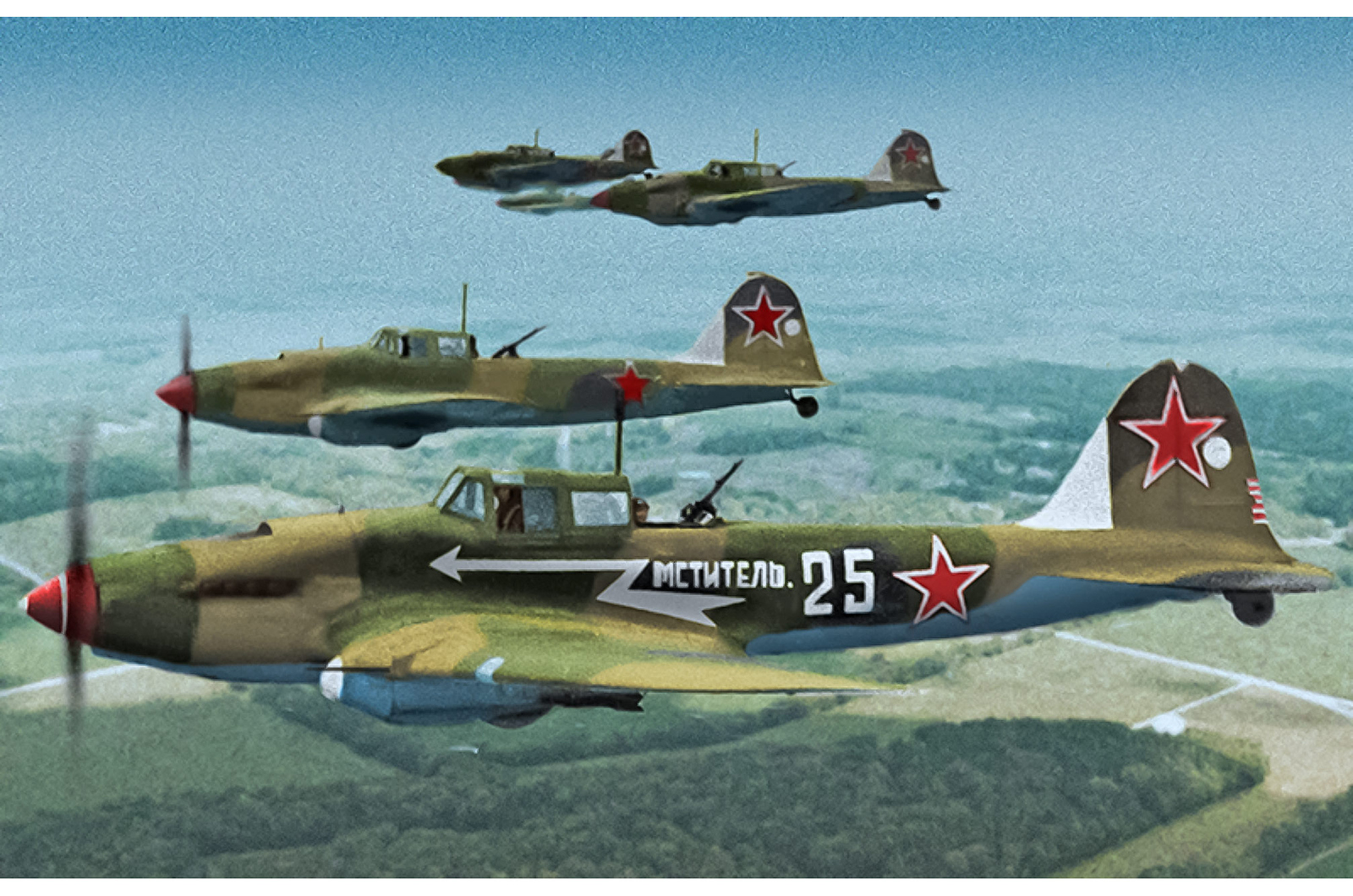
It was the most numerous military aircraft ever produced, with 36,163 units built. Joseph Stalin described the Il-2 as essential to the Red Army as “bread and air.”