The secret threat behind Hormuz’s peril
The ongoing conflict between the United States and Israel against Iran has escalated into a critical maritime crisis, with the Strait of Hormuz at the center of the storm. For three consecutive weeks, relentless airstrikes have targeted Iranian positions, but the situation has taken a new and dangerous turn as Iran asserts control over the strategic waterway.
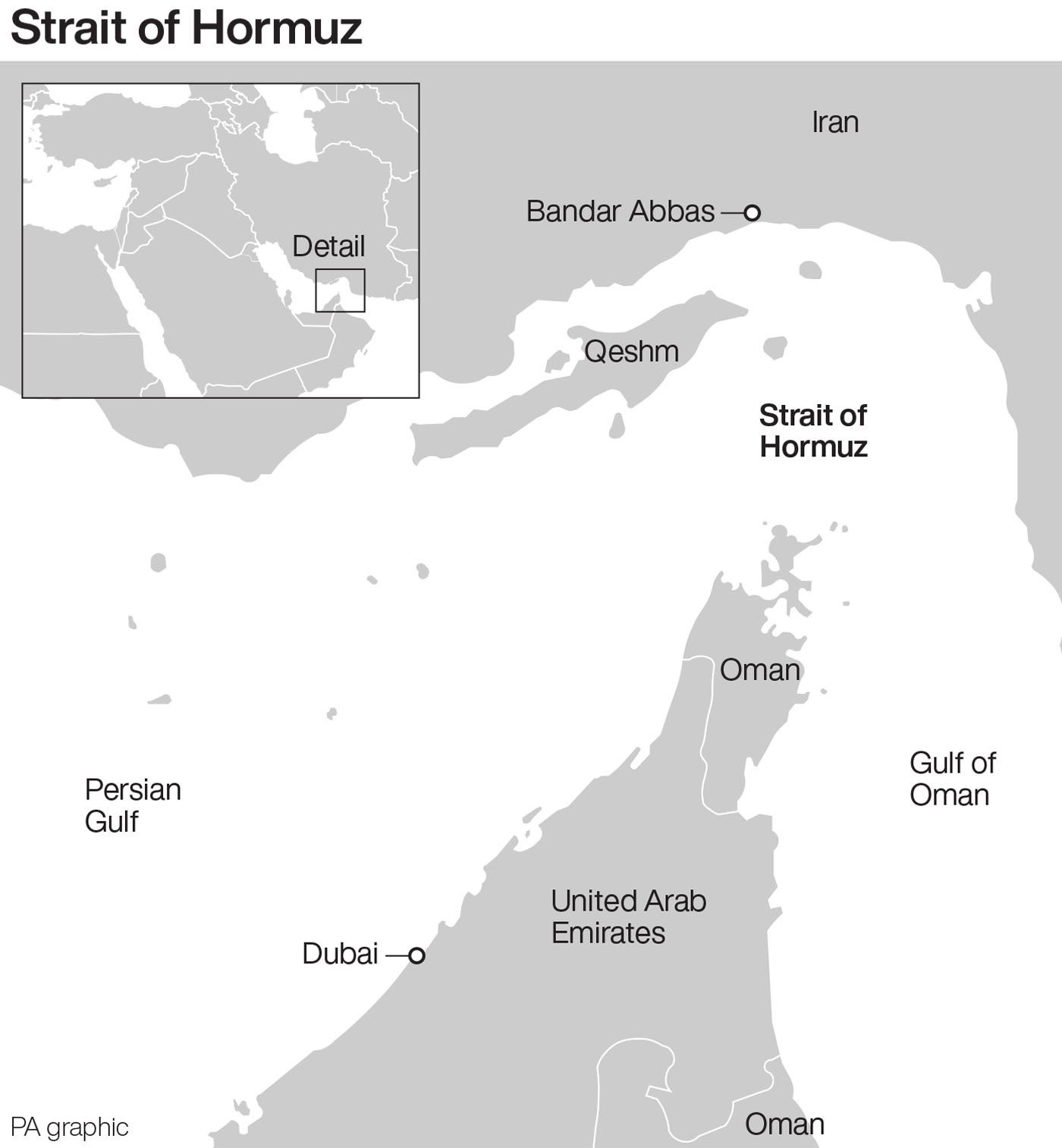
This 24-mile-wide passage is vital for global trade, handling approximately a quarter of the world’s liquefied natural gas and seaborne oil. However, after Iran declared its dominance over the strait, hundreds of vessels are now stuck in the Gulf, unable to proceed. The Iranian military has laid mines in the area, creating a dangerous obstacle that threatens both commercial and military shipping.
The impact on global oil prices has been immediate and severe, with crude oil remaining above $100 per barrel. Experts have criticized the U.S. administration for downplaying the possibility of an Iranian blockade before launching its military campaign. This oversight has left the international community scrambling to find solutions to the growing crisis.
A former British naval minehunting captain explained the complexity of dealing with these mines. He described them as “slow and grinding” to remove, noting that they can be activated by magnetic, acoustic, or pressure triggers. Some mines are even designed to target specific types of ships based on their unique signatures. They can wait for the first 10 or 20 vessels to pass safely before detonating under the next one, creating a false sense of security.
These mines are not only versatile but also inexpensive, with some costing as little as $1,500. Over 30 countries produce them, and more than 20 export them. Since 1950, they have caused 77% of all U.S. ship casualties. According to reports, there are around a million sea mines of more than 400 types, with approximately 400,000 owned by potential adversaries of the U.S. In contrast, the U.S. military possesses fewer than 10,000 sea mines, with the latest models introduced in 1983.
Iran’s arsenal includes drifting mines, which float on the surface and follow currents or winds. These have been banned by international law for over 80 years but have been used by Iran since 1980. The country’s stockpile is believed to include Soviet, Western, and Iranian-made munitions, with estimates suggesting at least 2,000 of them. Iran also possesses bottom mines and rising mines, which can be deployed in deeper waters and carry explosive charges up to 2,200 pounds.
Clearing these mines is a painstaking process that requires extensive use of sonar to scan the seabed. However, the seabed of the Strait of Hormuz is cluttered with debris from centuries of maritime traffic, making it difficult to distinguish real threats from harmless objects. Each contact must be investigated, either destroyed or deemed safe, a task that demands significant time and resources.
The former captain noted that while the U.S. and UK possess minehunting ships, deploying them would put them at risk of missile and drone attacks from Iranian forces. The situation has created a stalemate, with Iran effectively closing the strait and trapping ships on both sides.
Hamish de Bretton-Gordon, a former British army officer and weapons expert, emphasized that President Trump will not make progress in this war unless the Strait is cleared. He pointed out that the strait is Iran’s most powerful weapon, giving them the ability to target any vessel attempting to enter the area. To regain control, the U.S. may need to deploy ground forces along the Iranian coast, a move that would require a substantial military presence.
Until the U.S. can secure the Strait, mine clearance efforts will remain challenging. De Bretton-Gordon suggested that Trump is unaware of the critical role the Strait plays in the conflict, instead blaming others for his misjudgment. The situation highlights the complex interplay of military strategy, geopolitical tensions, and the high stakes involved in securing global trade routes.