Strait of Hormuz: US Seeks to Protect Navigational Freedom in Iran Conflict
The strategic importance of the Strait of Hormuz has become a central issue in the ongoing conflict involving Iran. Initially, the focus of the war was on Iran’s nuclear and missile capabilities, but the regime’s actions have shifted the battlefield to new areas, particularly Iraq and the Strait of Hormuz itself. This development has introduced fresh challenges that require a coordinated response from international actors.
Iran’s strategy appears to be a calculated move in regional chess, aiming to extend the frontlines of the conflict beyond its borders. To counter this, the United States may find itself at the forefront of efforts to ensure that vessels can navigate the strait safely, which is crucial for stabilizing global oil markets. While Israel has been engaged in its own campaign against Iranian targets, such as leadership figures and other threats, the burden of securing the Strait of Hormuz seems to rest more heavily on Washington.
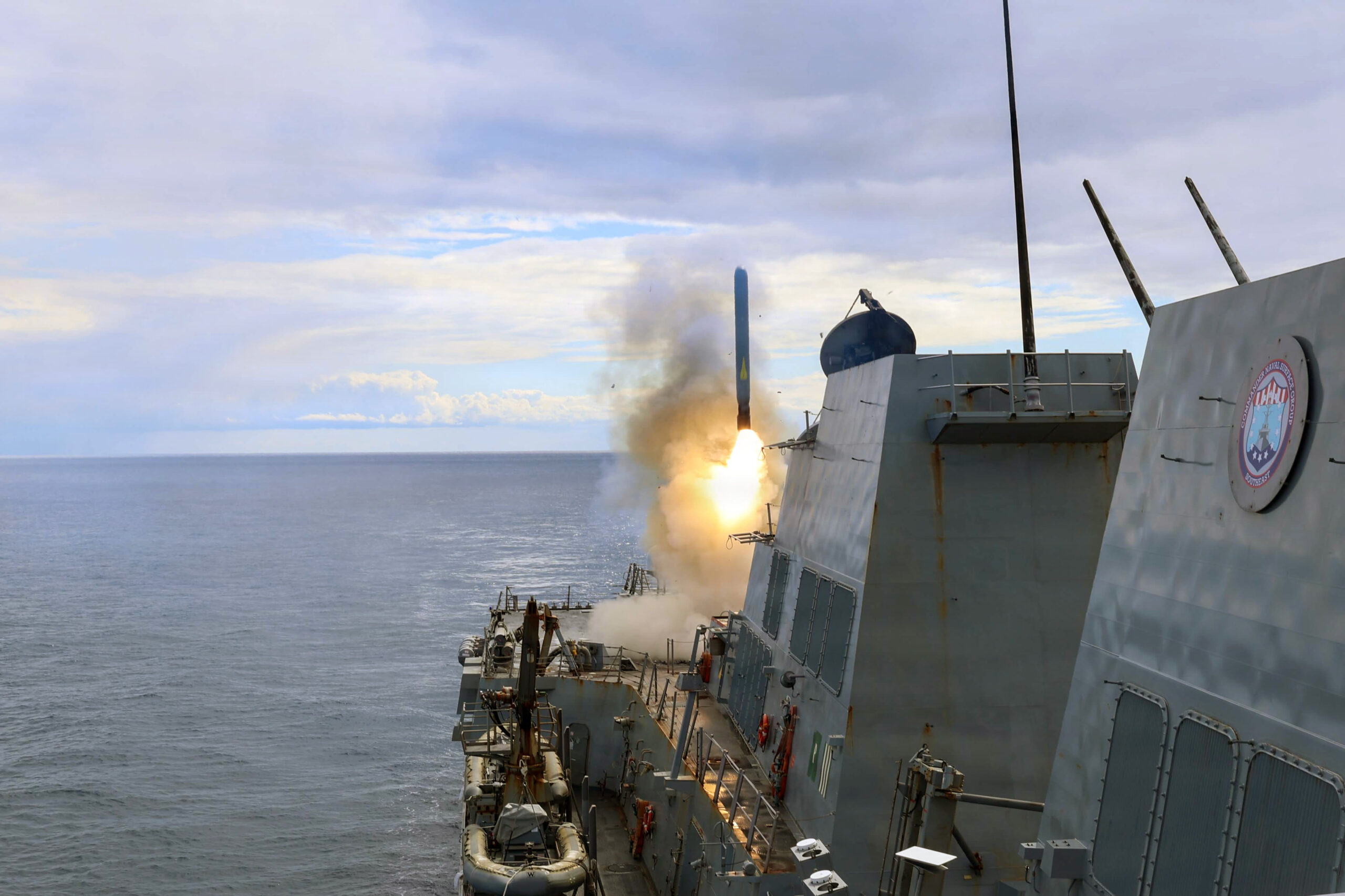
In addition to military actions, the U.S. has been increasing its presence in the region by deploying Marines and consulting with Gulf partners about future steps. These actions are part of a broader effort to maintain freedom of navigation, which is vital for both economic stability and regional security. The U.S. has already taken significant measures, including the destruction of approximately 100 Iranian Navy and Islamic Revolutionary Guard Corps (IRGC) vessels. This operation has been highlighted as one of the key actions during the three weeks of conflict.
On March 18, US Central Command announced that it had begun targeting new sites. According to the statement, “US forces successfully employed multiple 5,000-pound deep penetrator munitions on hardened Iranian missile sites along Iran’s coastline near the Strait of Hormuz. The Iranian anti-ship cruise missiles in these sites posed a risk to international shipping in the strait.”
Alma Research and Education Center, an organization focused on security challenges in northern Israel, has also provided insights into the efforts to secure freedom of navigation. Their report highlights the targeting of four critical IRGC Navy sites within the past week. These strikes resulted in the destruction of weapons, attack boats, ammunition, and senior IRGC naval personnel.
The specific sites targeted include:
- IRGC Navy Headquarters in Tehran: On March 16, 2026, the Israeli Defense Forces (IDF) announced the dismantling of the IRGC Navy’s headquarters in the Doshan Tappeh district of Tehran.
- IRGC’s Missile Command infrastructure: On the same day, US CENTCOM Commander Adm. Brad Cooper announced the destruction of “8 buildings used to produce light and heavyweight torpedoes” at the Yazd military depot.
- IRGC Navy’s Ammunition Command HQ in Malusjan: Photos show large explosions rising from inside the base on March 17, 2026.
- Shahid Athari-Nejad Barracks in Shiraz: 11 storage buildings for fast attack vessels and other threats were damaged by airstrikes shown in Sentinel-2 imagery.
These actions demonstrate the critical targets being struck to weaken Iran’s ability to disrupt vessel traffic through the Strait of Hormuz. Despite these efforts, many countries and companies remain cautious about sending ships through the narrow passage. They recognize that even a single drone threat could lead to catastrophic consequences.
Historically, Iran has used various methods to attack ships in the region. In 2019, mines were used to attack ships in the Gulf of Oman off the coast of the UAE, and two ships transiting the Strait were also attacked. Similarly, Iran-backed Houthis carried out attacks between 2023 and 2024. In 2021, drones likely flown from near Chabahar were used in a deadly attack on the Mercer Street ship.
Iran’s drone capabilities are extensive, with a range of around 2,000 km. Given the length of Iran’s coastline—1,000 km along the Indian Ocean and another 1,300 km along the Persian Gulf—it has numerous locations to hide drones, rockets, and other weapons. Additionally, Iranian-backed militias often use trucks known as Kia Bongos to smuggle rockets, including the 107mm and 122mm. Shahed 136 drones and others can also be concealed in shipping containers, making it challenging to prevent the threat.
Iran also possesses many small IRGC fast-boats, which are essential for potential attacks. These small speedboats can be used effectively in operations against maritime targets.