
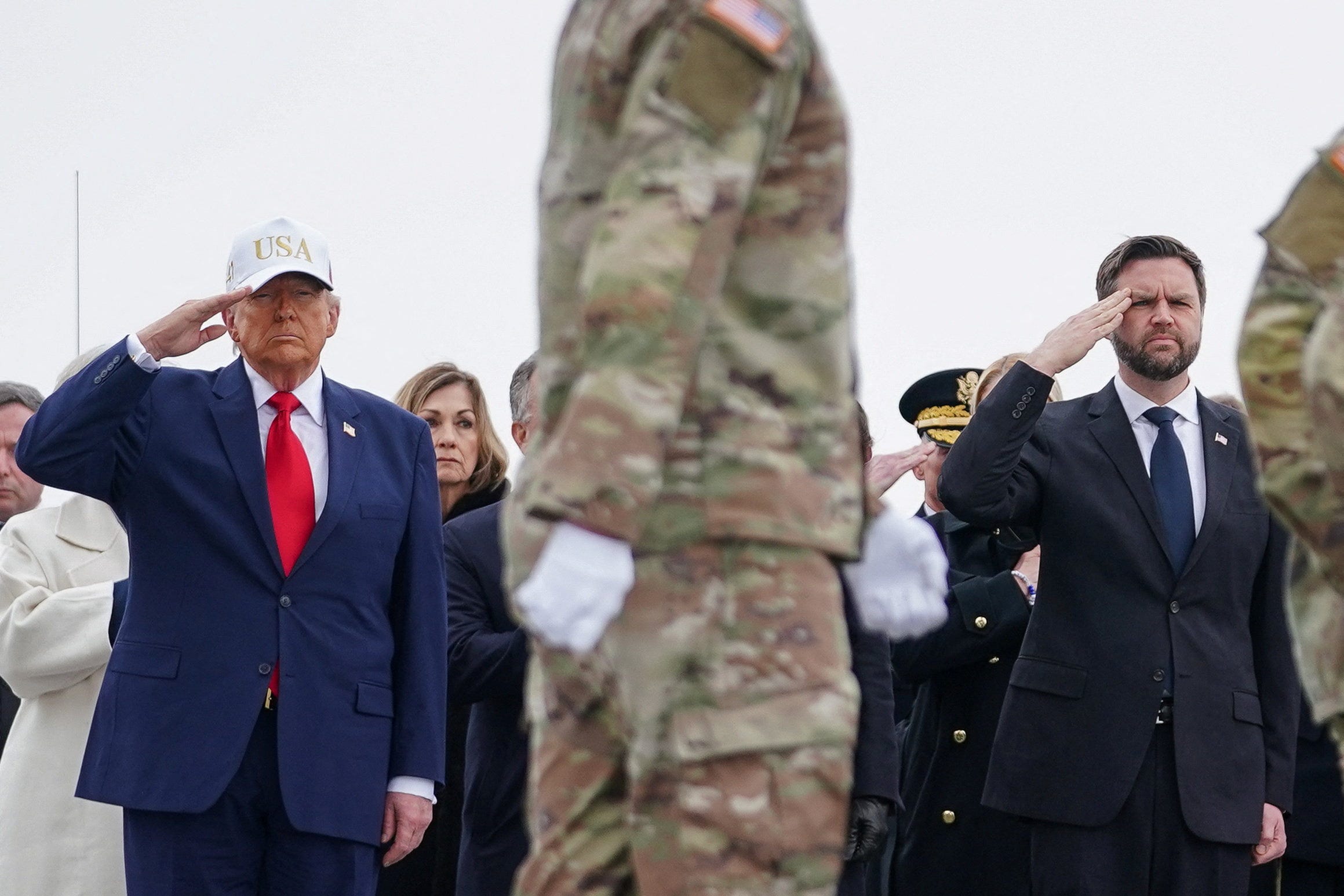
Gen. Wesley Clark: How the Iran War Could End—Not the Best Way
More than two weeks into the U.S.-Israeli war with Iran, no end is in sight. But all wars do; this one will eventually end. So how did we get to this point, and how will the conflict be stopped?
As NATO Supreme Allied commander in Europe in 1999, I led a sophisticated air campaign against Serbia to halt ethnic cleansing and faced continuing questions of how long it would last and how it might end. With that experience, I have thoughts about where this is heading.
In this campaign against Iran, American and Israeli airpower has been dazzlingly efficient. Having largely eliminated Iran’s air defenses in June, U.S. and Israeli aircraft now have free rein in the skies over most of Iran.
Start the day smarter. Get all the news you need in your inbox each morning.
Iran’s ballistic and drone strikes have been greatly reduced, and U.S. and Israeli air strikes are working up the supply chain to destroy storage sites, factories and workshops. Israel is targeting the regime itself by attacking police stations and the Islamic Revolutionary Guard Corps positions.
The ultimate outcome is hardly in doubt. Unknown to the public, U.S. and Israeli special forces may already be deep inside Iran searching for highly enriched uranium.
President Donald Trump has said that he could stop at any time, but could the United States now stop the campaign against Iran at a moment of its choosing? The answer, of course, is yes, but this would not guarantee the end of the conflict, because Iran has the means to continue asymmetric warfare against America and our friends and allies in the region.
A missile strike – or a few drones into Kuwait, the United Arab Emirates or other regional states – will delay economic recovery. Occasional destruction of ships in the Persian Gulf or the Strait of Hormuz will perpetuate a mounting economic crisis centered on oil and fertilizer exports.
And until Iran’s highly enriched uranium is accounted for and thousands of centrifuges destroyed, Iran will remain a nuclear risk to the region. A unilateral halt would leave the United States as the loser, unable to accomplish its objectives. That would undercut U.S. deterrence in Asia and Europe.
Another view:
‘Imminent’ or not, Iran has been at war with US for decades | Opinion
Three scenarios for how the Iran war might end
This conflict will more likely end in one of three ways:
First, through outside negotiation, in which high-level mediators craft a proposal both sides can accept, along with a ceasefire and opening of the Strait of Hormuz.
Second, through indefinite continuation of the air campaign, until the United States and Israel simply run out of high-value targets, and the Iranian regime, beset by civil disorder and loss of communications, turns its whole efforts to regime survival and loses its ability to threaten the region.
Third, through U.S. control of the Strait of Hormuz and the north coast of the Persian Gulf, which, combined with air supremacy over most of Iran, will reopen shipping and lead to the eventual destruction of the regime.
Opinion alerts:
Get columns from your favorite columnists + expert analysis on top issues, delivered straight to your device through the USA TODAY app. Don’t have the app? Download it for free from your app store.
Mediation would provide the quickest ending, beginning with a ceasefire and opening of the strait, but leading into a “phase two” that would no doubt entail terms such as surrender of Iran’s nuclear materials and aspirations, an end to its quest for larger and more effective missiles, and its support for its axis of resistance – in exchange for some guarantee of Palestinian rights in Gaza and the West Bank, and regional arms limitations.
However, it would probably leave the remnants of the regime in power. In my experience in the NATO air campaign against Serbia in 1999, it took 78 days of continually escalating air attacks, total isolation of Serbia from reinforcements and the threat of a ground invasion to persuade Serbian dictator Slobodan Milosevic that he must accept NATO’s terms.
Another view:
Iran strikes unleashed a war the US cannot control | Opinion
So, which ending seems most likely?
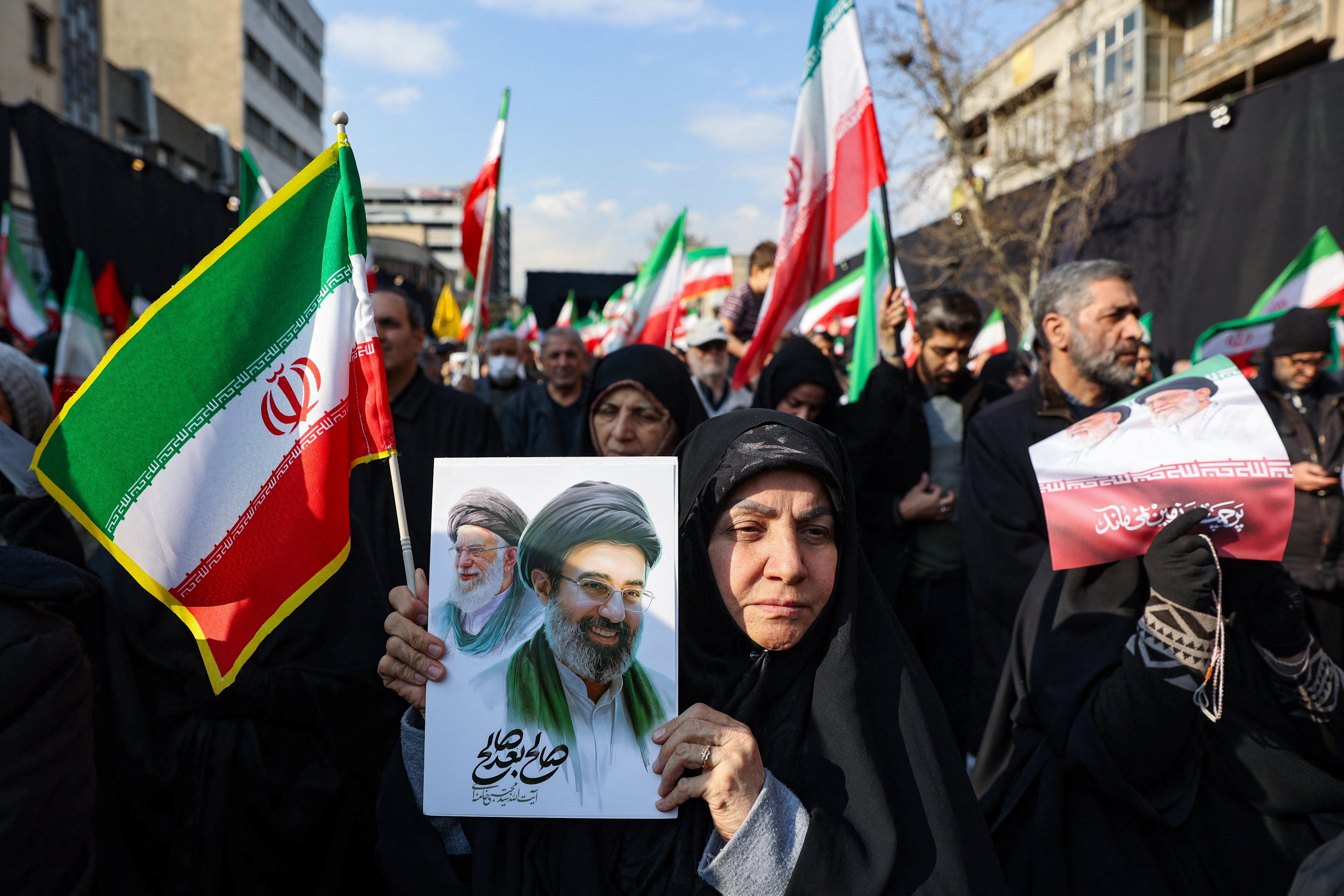
One or both sides must see that the consequences of halting the war are less onerous than the prospect of eventual defeat. Thus far, neither the United States, because it believes it is winning, nor Iran, because its leadership has been shattered and its survivors are hardened zealots, seems willing to halt.
If America and Israel simply continue their air attacks, and especially the air attacks against the regime’s police and security forces, there is some chance that elements of the Iranian population will rise up and take over large portions of Iran.
For now, though, all demonstrators against the regime are simply branded as traitors and shot. Tens of thousands of those most courageous and determined to resist have already been killed.
The opponents of the regime are not united in their efforts, and the total destruction of the regime by air could take additional weeks to succeed, if in fact it does.
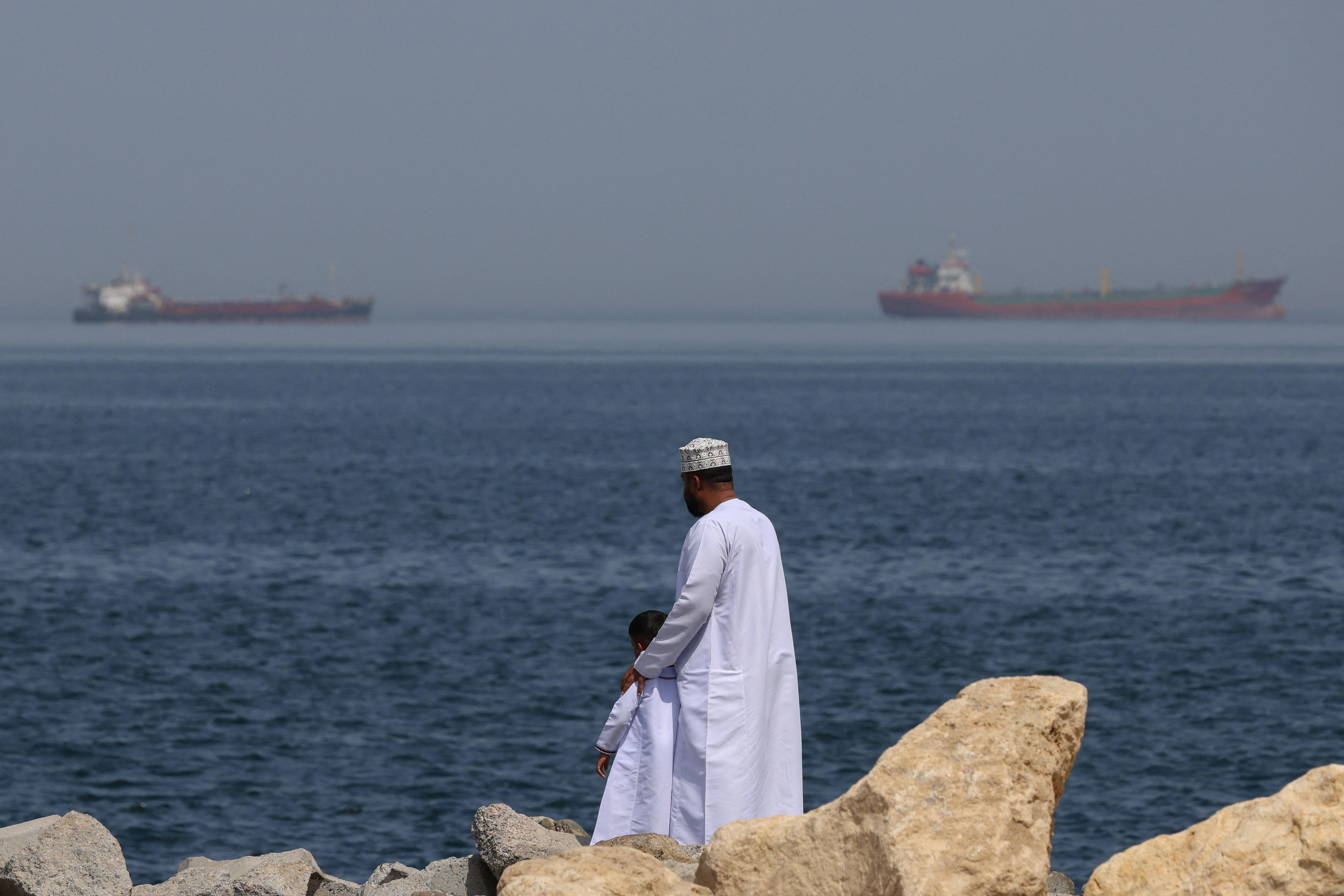
Unless shipping can be resumed through the Strait of Hormuz and all Iranian strikes against the Emirates and other Gulf states are halted, the clock is ticking against continuing the U.S. air effort indefinitely.
Hopefully, threatening or even occupying Kharg Island will cause Iran to open the Strait of Hormuz.
If not, this takes us to the third option: an American air, sea and land assault to clear the Strait of Hormuz and the Iranian shore of the Persian Gulf. While all the media focus on how narrow the strait is, the gulf itself is more than 500 miles long and more than 200 miles wide.
Attacking to clear the strait itself means seizing or controlling several heavily fortified islands – Qeshm, Hormuz, Larak, Abu Musa, the Tunbs as well as the shoreline with its hidden caves and the mountains dominating the northern shore of the gulf. Then moving deeper into the gulf to take out all defenses along the north shore, a distance of more than 600 miles.
Iran has prepared its defenses for decades. It would be a mistake to believe that the threat of a U.S. seizure of the strait would cause the Iranian defenses to collapse, so decisive force must be planned and prepared.

Over the years, this option has been examined many times and found difficult and costly. Preparations will take several weeks, and requirements certainly exceed the strength of a single U.S. Marine expeditionary unit, and would perhaps require a Marine Corps-level headquarters with as many as 100,000 troops.
With the dispatch of the 31st Marine Expeditionary Unit from the Pacific, the United States seems to be preparing for Scenario 3, hoping to succeed with Scenario 2, and may be simultaneously moving toward Scenario 1 – mediation, providing the nuclear materials have been seized and the Iranian regime can be talked into surrender.
Wesley Clark is a retired U.S. Army general and former NATO Supreme Allied commander in Europe.
You can read diverse opinions from our USA TODAY columnists and other writers on the Opinion front page, on X, formerly Twitter, @Jendela Magazineopinion and in our Opinion newsletter.