Latest: Iran Acknowledges Intelligence Minister’s Death as Israel Targets Leaders
Escalation in the Middle East Conflict
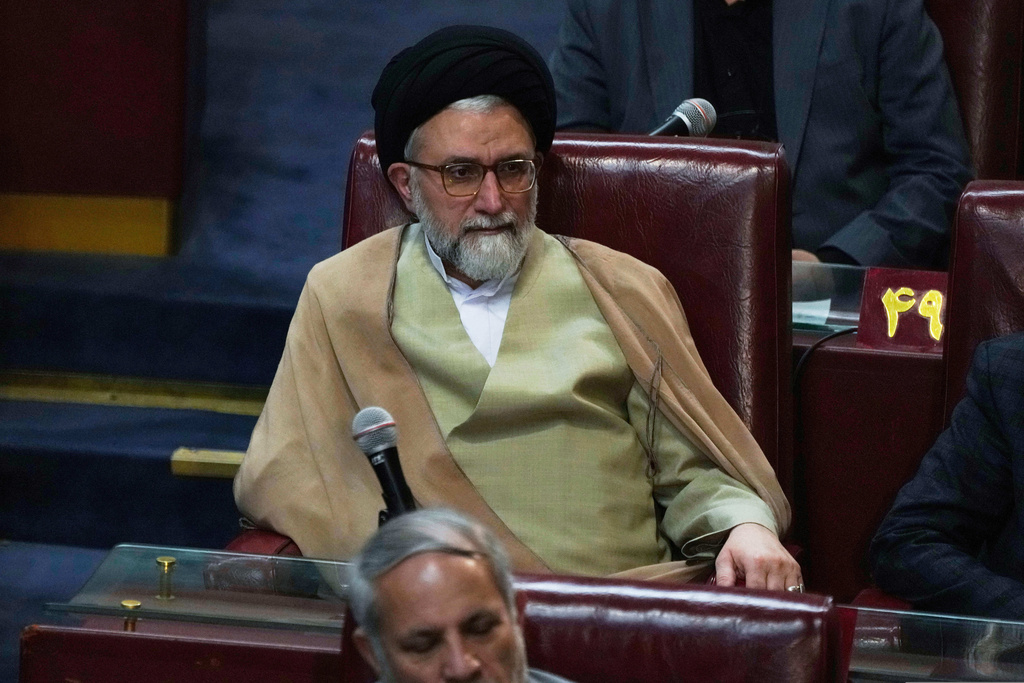
Israel’s defense minister announced on Wednesday that the military had killed Iranian Intelligence Minister Esmail Khatib. This follows previous Israeli strikes that eliminated top Iranian security official Ali Larijani and the head of the paramilitary Revolutionary Guard’s Basij force.
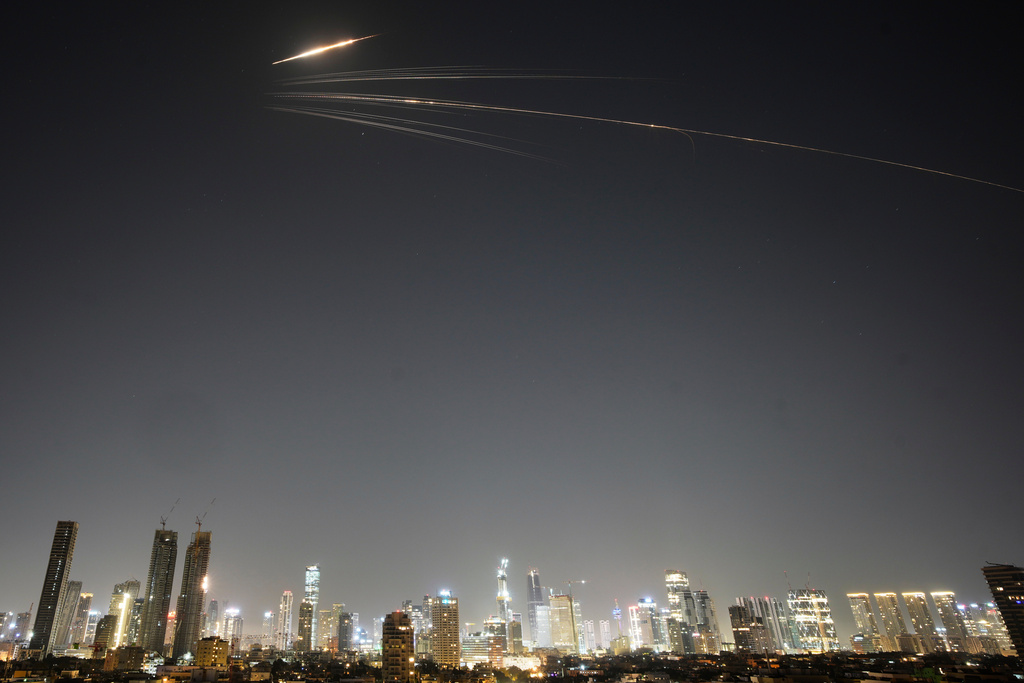
On the same day, Iran launched attacks targeting Israel and neighboring Gulf countries. Explosions were reported in the United Arab Emirates and Qatar, with interceptions noted in Saudi Arabia. These developments highlight the ongoing tension and escalating violence in the region.
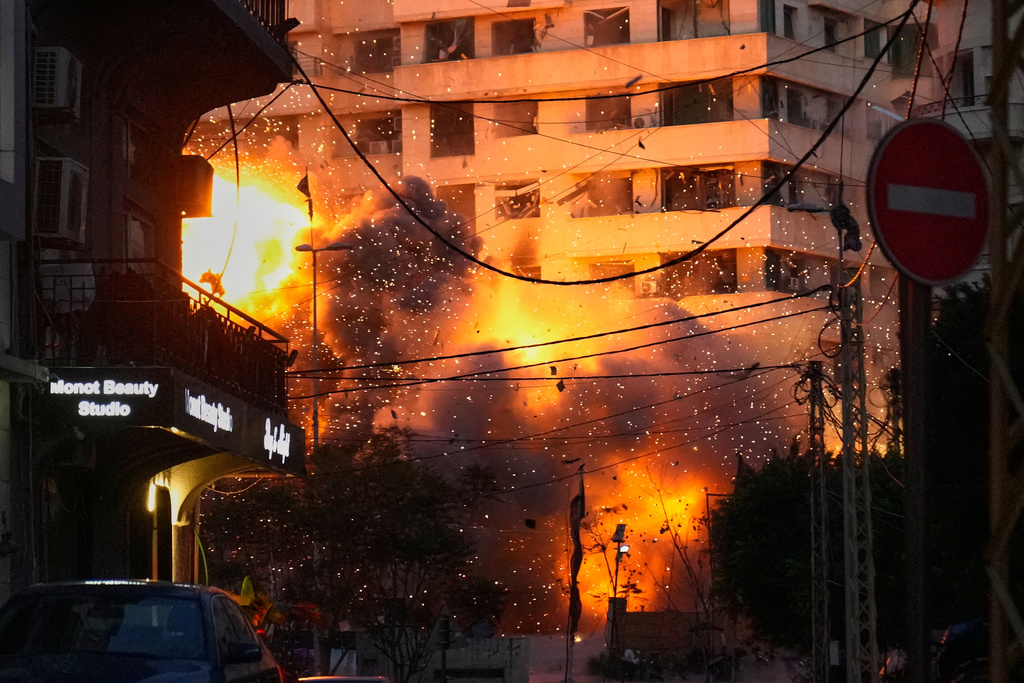
The attacks occurred just hours after Iranian state media confirmed the killing of Ali Larijani and Gen. Gholam Reza Soleimani, the leader of the Basij force. The Israeli military has been conducting frequent strikes in central Beirut, often without prior warning. These attacks have displaced over 1 million people in Lebanon, representing about 20% of the population, according to the Lebanese government.
The U.S.-Israeli conflict with Iran has resulted in significant casualties. According to officials, at least 1,300 people have died in Iran, more than 900 in Lebanon, and 14 in Israel. The U.S. military reports that 13 service members have been killed and approximately 200 wounded.
U.S. Intelligence and Potential Missile Threats
CIA Director John Ratcliffe testified before a Senate hearing on Wednesday, stating that an unencumbered Iran could develop missiles capable of reaching Europe. He mentioned that Iran might have the ability to threaten the U.S. if it continued its booster technology development. However, Ratcliffe did not confirm whether Iran could have developed a missile to threaten the U.S. within six months.
Ratcliffe acknowledged concerns raised by Republican Sen. Tom Cotton but did not provide a specific timeline for when Iran could pose a threat. His testimony highlights the uncertainty surrounding Iran’s military capabilities and the potential risks to global security.
U.S. Intelligence and Preemptive Strike Claims
Days after the war began, Trump administration officials reportedly told congressional staff that U.S. intelligence did not suggest Iran was preparing for a preemptive strike against the U.S. However, U.S. Director of National Intelligence Tulsi Gabbard avoided answering questions about whether she had warned Trump about the likelihood of Iranian attacks on other Gulf nations and the Strait of Hormuz.
Gabbard stated that she would not disclose internal conversations but emphasized that the intelligence community continues to provide the president with objective information. Democratic Sen. Mark Warner expressed frustration with her lack of clarity, pointing to Trump’s remarks that suggested he did not expect Iranian attacks on Gulf nations or the closure of the Strait of Hormuz.
Impact on Air Travel and Energy Infrastructure
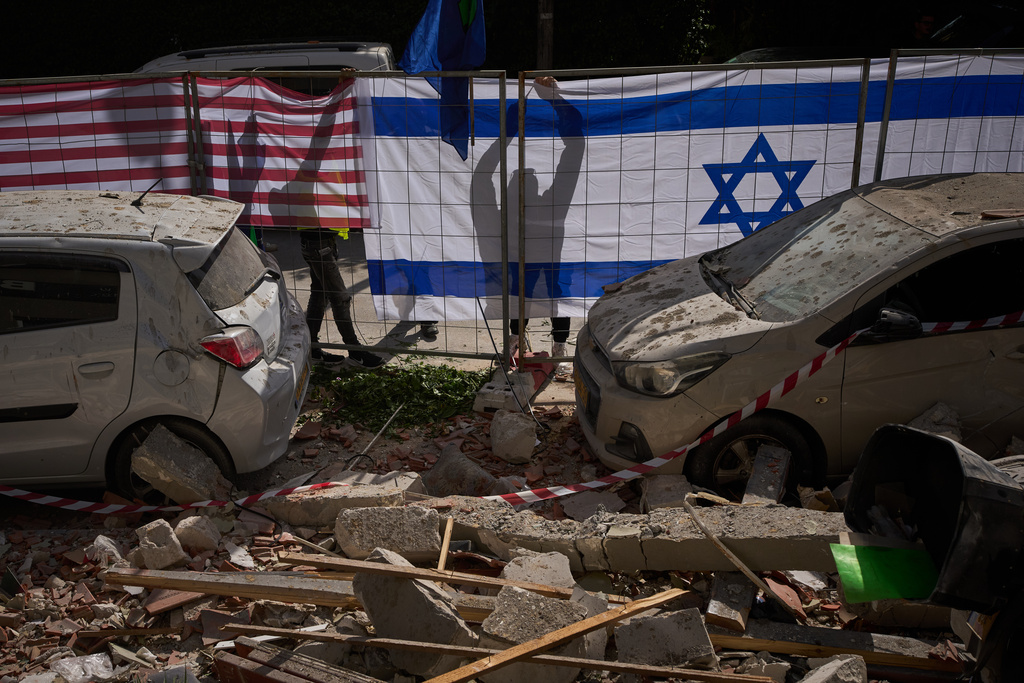
Israel reported damage to three private aircraft at Ben Gurion International Airport due to shrapnel from intercepted Iranian missiles. Airport traffic has been severely affected since the war began.
Iran confirmed the killing of Esmail Khatib, who was sanctioned by the U.S. in 2022 for alleged cyber-related activities. Iranian President Masoud Pezeshkian called the killing “an unfair assassination.”
U.S. Policy Adjustments and Oil Prices
The White House announced that Trump will waive Jones Act requirements for 60 days, allowing goods shipped between U.S. ports to be moved on foreign vessels. This move aims to address rising oil prices as the U.S. and Israel continue their war with Iran.
U.S. companies are now allowed to do business with Venezuela’s state-owned oil company, PDVSA, under eased sanctions. This decision is part of efforts to boost global oil supplies amid soaring prices caused by Iran blocking traffic through the Strait of Hormuz.
International Reactions and Concerns
German Chancellor Friedrich Merz expressed concerns about the war in Iran, stating that Germany does not want the conflict to strain trans-Atlantic relations. He criticized the U.S. for not consulting European allies and questioned the strategy of the war.
Iran vowed to respond with force following an attack on the South Pars offshore natural gas field. The country threatened to target energy infrastructure in Saudi Arabia, Qatar, and the UAE.
Global Financial Markets and Diplomatic Tensions
U.S. stocks fell under pressure from rising crude oil prices, raising concerns about inflation. The S&P 500, Dow Jones, and Nasdaq all experienced declines. The Federal Reserve is expected to maintain interest rates during its latest policy meeting.
White House spokesperson Karoline Leavitt praised the death of Iranian Intelligence Minister Esmail Khatib, calling him a “known terrorist.” Israeli Defense Minister Israel Katz confirmed the killing.
Nuclear Facilities and Energy Security
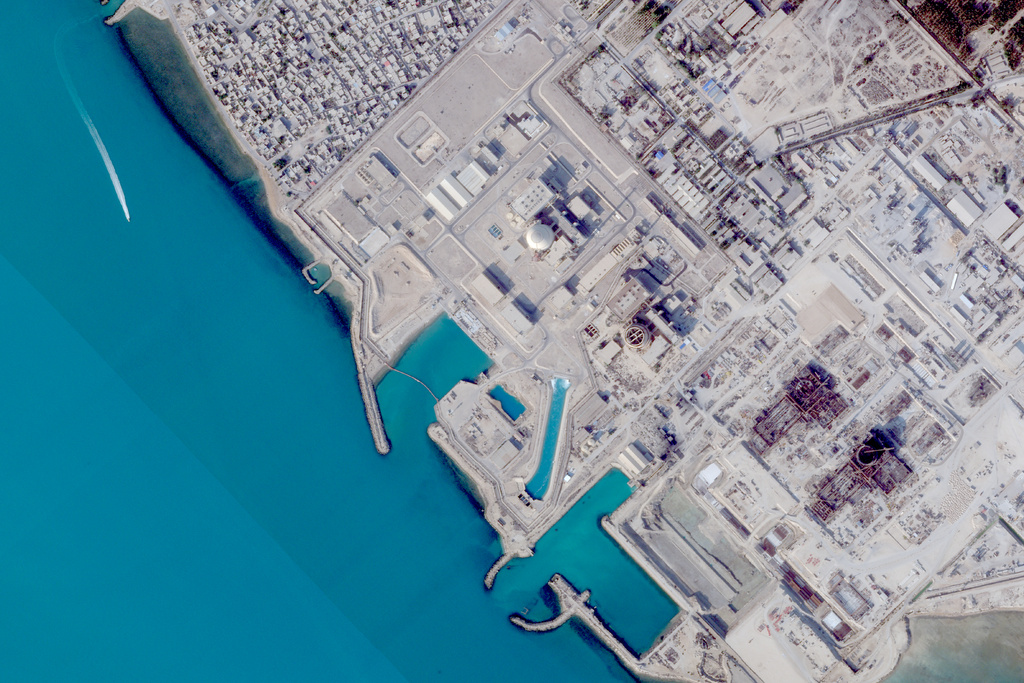
International Atomic Energy Agency (IAEA) chief Rafael Grossi stated that damage to Iran’s Bushehr nuclear site appeared “not very significant.” He emphasized the importance of avoiding attacks on nuclear facilities.
Qatar blamed Israel for an attack on an offshore natural gas field it shares with Iran. The attack on the South Pars field was described as a dangerous and irresponsible act that threatens global energy security.
Additional Developments
Iran’s women’s soccer team returned to Iran after several players sought asylum in Australia. Two players chose to remain in Australia, while others changed their minds.
Iran threatened to attack oil and gas infrastructure in Saudi Arabia, Qatar, and the UAE. The threats resemble previous warnings issued during the conflict.
FIFA has refused to move Iran’s World Cup matches from the U.S. to Mexico despite diplomatic efforts. The U.S. has been operating primarily in southern Iran, including attacks on Iran’s Kharg Island.
At least eight people were killed in an airstrike on a courthouse complex in Iran’s Larestan County. Israel targeted a Hezbollah-linked financial institution, leading to further tensions in the region.
French envoy Jean-Yves Le Drian criticized both Hezbollah and Israel, stating that Hezbollah bears responsibility for the resumption of fighting in Lebanon, while Israel’s response has been disproportionate. He also highlighted the displacement of over 1 million people in Lebanon and the need for negotiations.