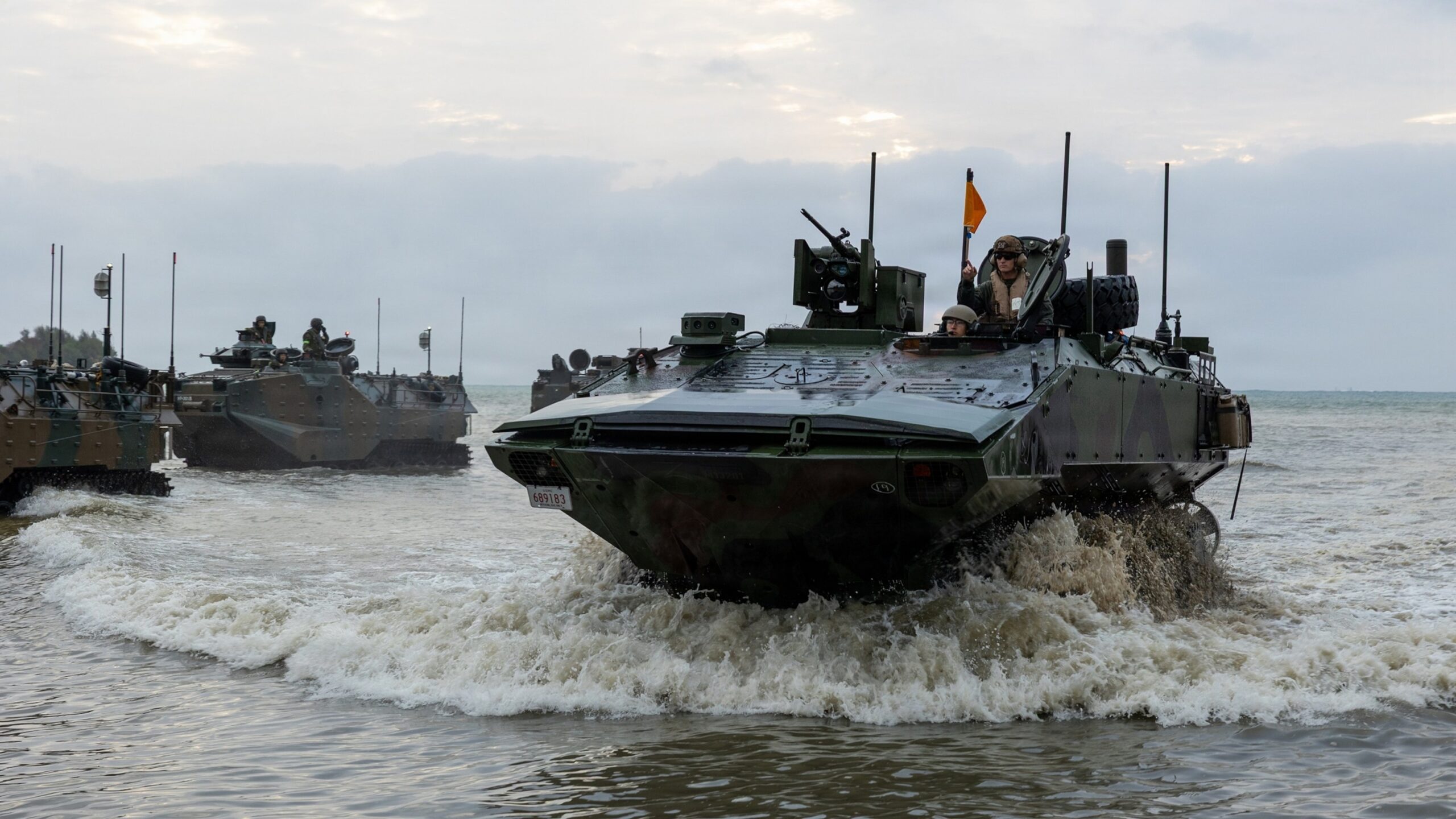
Marines’ Middle East Deployment Sparks Ground Troop Fears in Iran
The Pentagon’s Strategic Move to the Middle East
The U.S. Department of Defense has announced the deployment of the 31st Marine Expeditionary Unit (MEU), a force of approximately 2,200 troops, to the Middle East. This decision has sparked renewed speculation about whether the ongoing conflict with Iran could involve U.S. ground forces, an escalation that would mark a significant shift in the current geopolitical landscape.
Experts suggest that it could take up to two weeks or until the end of March for the unit to be fully operational in the region. However, their presence alone is unlikely to significantly alter the dynamics of the conflict. While a MEU can quickly deploy an initial surge of troops, maintaining control over key terrain or sustaining a prolonged engagement would require a much larger ground force.
Potential Missions and Strategic Implications
The MEU is expected to conduct raids along the Iranian shoreline, aiming to establish a foothold in areas critical to the Strait of Hormuz, a vital waterway for global oil transportation. A Quinnipiac University poll from earlier this month revealed that 74% of registered voters oppose sending U.S. ground troops into Iran, while only 20% support such a move.
President Donald Trump addressed concerns about the potential for a conflict similar to the Vietnam War, stating, “No, I’m not afraid. I’m really not afraid of anything.”
The MEU will sail from the Pacific and is expected to take up to two weeks to reach the Middle East. Once there, the unit will operate as a self-contained, sea-based force capable of launching troops, aircraft, and equipment without relying on nearby bases or infrastructure.
The Importance of the Strait of Hormuz
Reopening the Strait of Hormuz is crucial for global energy markets, as it facilitates the daily transit of 20% of the world’s oil supply. The closure of this waterway has led to increased gas prices and market instability. Trump has highlighted the need to target areas along the Iranian coast that could threaten commercial shipping through the strait.
Michael Eisenstadt, a senior fellow at the Washington Institute, suggests that the MEU could participate in land-based raids targeting Iranian fortifications that interfere with convoy operations. He also notes that military leaders have explored the use of convoys or warship escorts to ensure the safe passage of commercial vessels through the strait.
Challenges and Limitations
Raiding parties could focus on missile storage bunkers that are difficult to destroy from the air. The strategy would involve clearing out the shore and using air power to prevent Iranian forces from returning to those areas. However, experts caution that such an operation may not guarantee smooth sailing through the strait.
Eisenstadt expressed concern that even a small residual Iranian capability could disrupt the shipping industry. The 2,200 Marines in the MEU are limited in their ability to conduct operations beyond raids, which typically involve pre-planned withdrawals.
Deployment and Strategic Gaps
The 31st MEU is primarily based in Japan, where it trains with the Japanese Self-Defense Forces on skills essential for rapid island seizures. Earlier this month, the unit participated in a major annual exercise involving amphibious assault drills, marksmanship training, and operations focused on capturing hostile terrain.
Their removal from the region creates a gap in ground combat and amphibious capabilities, particularly in the Pacific, where they could respond to crises involving China or North Korea. Other significant combat elements in the region include the Army’s 2nd Infantry Division in South Korea, the 25th Infantry Division in Hawaii, and the 11th Airborne Division in Alaska.
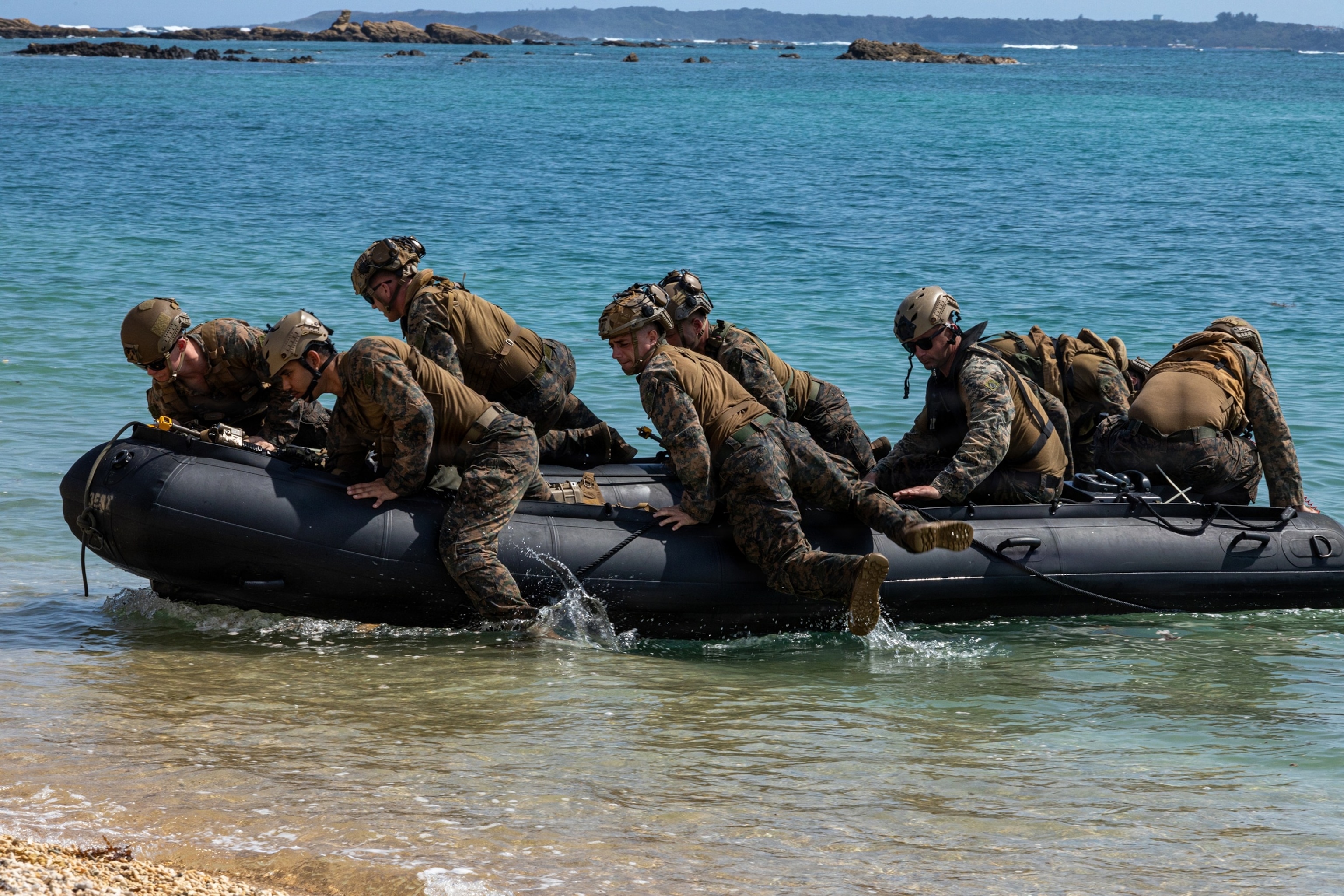
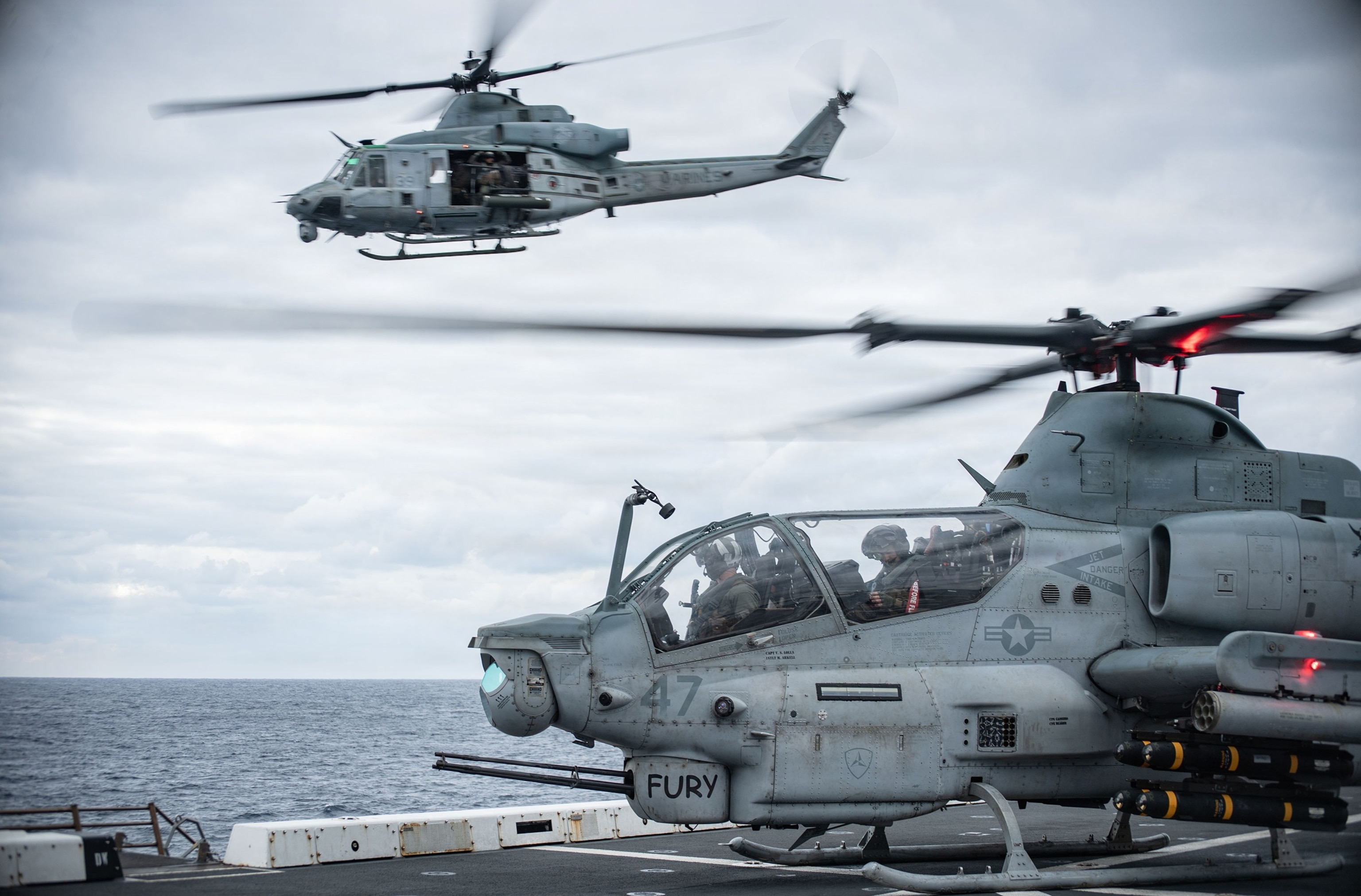
The 11th Marine Expeditionary Unit, based out of Camp Pendleton, California, is preparing to deploy to the Pacific, according to Pentagon imagery. This strategic move highlights the shifting priorities of the U.S. military as it navigates the complex challenges of regional security and global energy stability.