
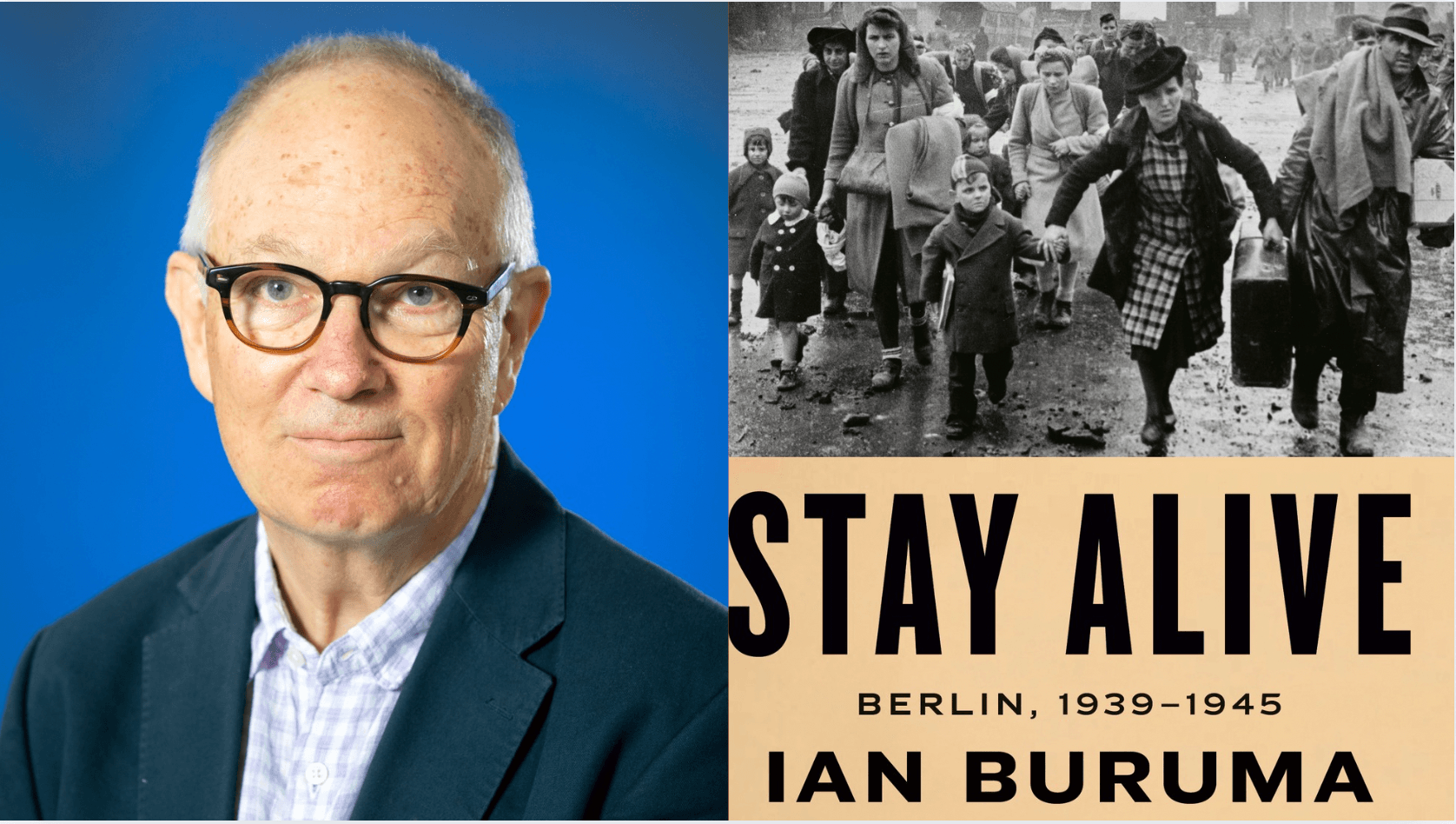
A gripping tale of wartime Berlin’s hidden dangers
A City in the Grip of War and Morality
Ian Buruma’s Stay Alive: Berlin, 1939–1945 is a compelling exploration of a city caught between the extremes of Nazi tyranny and the horrors of war. Published by Penguin Press, this 400-page book offers a unique perspective on the experiences of ordinary people navigating the moral complexities of life under a criminal regime.
The title itself captures the essence of survival during a time when the very act of staying alive was a daily challenge. As Allied bombs rained down on Berlin, civilians faced not only destruction but also the constant threat of execution for dissent or “defeatism.” The phrase Bleiben Sie übrig (stay alive) became a common greeting among Berliners, reflecting both the grim reality and the resilience of its people.
Buruma’s narrative is both panoramic and intimate, blending cultural history with personal accounts to paint a vivid picture of a city in turmoil. He delves into the impact of government propaganda, the role of escapist cinema, and the struggles of artists and intellectuals during the war. The book also highlights the desperate conditions faced by the city’s remaining Jews and the moral dilemmas of those who resisted or collaborated.
Personal Stories and Historical Context
One of the most striking aspects of Stay Alive is the use of first-person sources, including the diaries of journalists like William Shirer and Marie “Missie” Vassiltchikov. These accounts provide a window into the daily lives of Berliners, revealing their fears, hopes, and choices. Buruma also incorporates the recollections of his own father, Leo Buruma, a Dutch forced laborer in Berlin from 1943 to 1945. His letters home, carefully written to avoid Nazi censorship, inspired the book and offer a deeply personal perspective on life in the city.
Leo’s story is one of endurance and survival. Working in a brake and machine gun factory, he endured harsh living conditions and the constant threat of death from Allied bombings. Yet, he also found moments of normalcy, such as enjoying the city’s cultural life and forming a relationship with a Ukrainian laborer. Seven years after the war, he would marry a Jewish woman, Ian Buruma’s mother, highlighting the complex interplay of identity and survival during this dark period.
Moral Choices and the Human Condition
Two central themes emerge in Stay Alive: the range of moral choices made by individuals under an immoral regime and the disintegration of the city itself. Buruma explores how people responded to the pressures of Nazi rule, from the bravest acts of resistance to the most craven compromises. He acknowledges that not everyone can be a hero, and even heroes may not always be morally pure. The book also examines the actions of German officers involved in coup attempts against Hitler, some of whom were conservative nationalists who abhorred the Third Reich but remained loyal to Germany.
The treatment of Berlin’s Jewish population is another focal point. While many were deported to concentration camps and murdered, others chose to live in hiding, often at great personal risk. Marie Jalowicz, a lawyer’s daughter, is one such example. Her story, as recounted by Buruma, includes harrowing experiences, including the necessity of making difficult choices to survive.
The Disintegration of a City
As the war progressed, Berlin transformed from a thriving cultural hub into a battered hellscape. Buruma traces this decline, highlighting the responses of its residents, who faced increasing despair. While he argues that terror bombing alone did not shatter morale, the inevitability of German defeat led to a collapse in public spirit. Nazi symbols were burned, and the city’s once-proud image faded.
The book also sheds light on the fate of Jewish spouses in “mixed” marriages and the Mischlinge, children of such unions. Many escaped deportation, but others, like Horst Selbiger, were detained in a former welfare office for Jews on Rosenstrasse. The protests by the wives of Jewish detainees marked a rare moment of public resistance in Nazi Germany.
Legacy and Reflection
In the end, neither Nazi ideology nor individual morality could withstand the power of Allied forces. Surrender brought no immediate relief, as many Berlin women and girls suffered sexual violence and widespread hunger. However, the postwar situation eventually improved, marking the beginning of a new chapter for the city.
Buruma’s message underscores the dangers of conformity and the importance of remembering the past. Yet, Stay Alive is also a love letter to Berlin, a city that has become a powerful memorial landscape. As Buruma writes, “The city itself is a monument,” not only to humanity’s darkest moments but also to its capacity for rebirth and renewal.