Can Hezbollah Be Destroyed?
Understanding the Complexities of Hezbollah’s Resilience
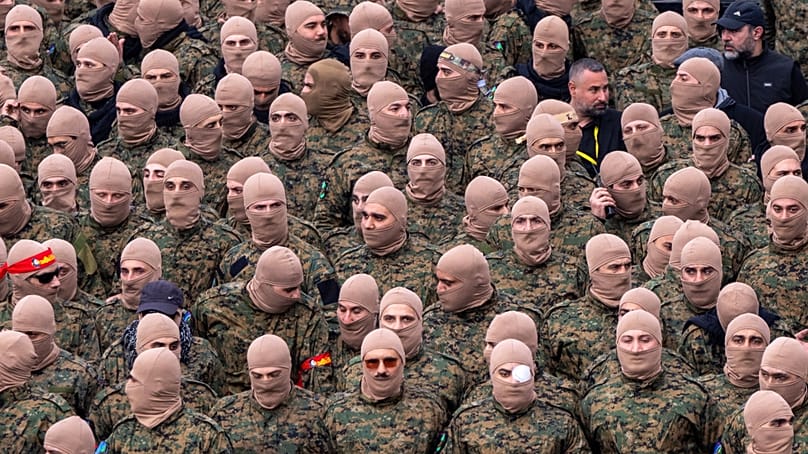
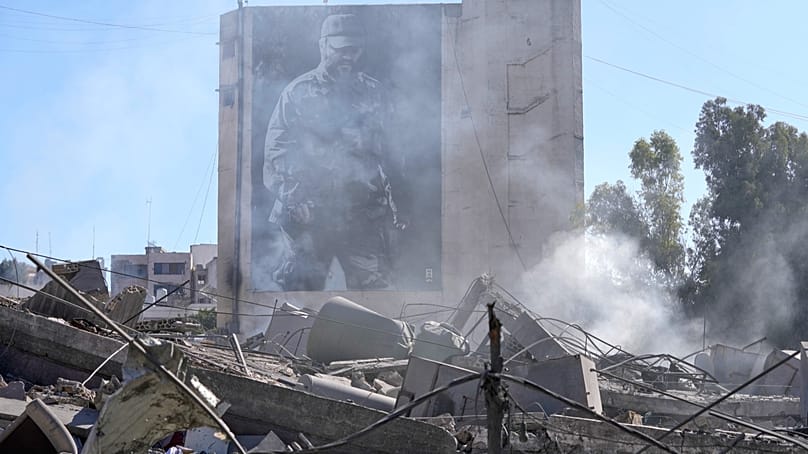
The conflicts between Israel and Hezbollah have repeatedly demonstrated that military force alone is not sufficient to neutralize the group. Despite repeated airstrikes and military operations, Hezbollah has shown an ability to regenerate and adapt, which underscores the need for a more comprehensive approach to addressing its threat.
One key factor in Hezbollah’s resilience is its deep ties to Iran. If the Iranian regime survives the current conflict and remains politically and financially strong, it will continue to provide Hezbollah with the resources needed to rebuild its military infrastructure. In fact, since the ceasefire agreement between Israel and Lebanon in November 2024, Iran has funneled approximately one billion US Dollars to Hezbollah, primarily through oil sales. This financial support has allowed the group to restore its arsenal and maintain its military capabilities.
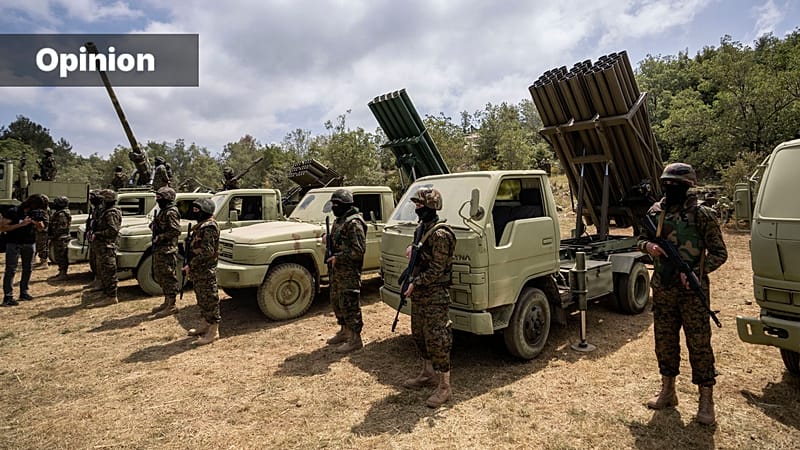
Hezbollah is not just a military organization; it operates within a broader ecosystem of power that includes significant financial and political foundations. This structure enables the group to recover from every war it has fought. Even if Israel were to destroy much of Hezbollah’s military infrastructure, the group could still regenerate through its financial systems and control over key Lebanese institutions.
The Strategic Moves of Hezbollah
In March, Hezbollah fired six rockets into northern Israel, not as an act of vengeance or defense, but as a calculated move to draw Israel into a conflict with Hezbollah in Lebanon. This action aimed to distract the Israeli Defense Forces (IDF) from their joint war against Iran by opening a second front. This strategy highlights the group’s alignment with Iranian interests, as it seeks to protect and sustain the Iranian regime.
The relationship between Hezbollah and the Iranian Revolutionary Guards Corps (IRGC) has become increasingly intertwined. When IRGC commanders were killed in Lebanon by the IDF, it became clear that the IRGC was taking a leading role in the conflict in the absence of Hezbollah’s command structure. This indicates that Hezbollah’s primary goal is not to win the war, but to survive, rebuild, and eventually regenerate.
The Role of Lebanon and the Lebanese Government
Lebanon had fifteen months to implement the ceasefire agreement and disarm Hezbollah, but instead, the country delayed and ultimately failed to fulfill its commitments. Despite claims that the area south of the Litani River was cleared of Hezbollah arms, recent missile launches from there have raised doubts about the Lebanese Armed Forces (LAF) and the government’s ability to enforce the agreement.
As the Israeli military prepares for a potential ground invasion, the Israeli government appears determined to take on the role that the LAF was supposed to play. However, unless Lebanon demonstrates a serious commitment to disarming Hezbollah, the next phase of the conflict could lead to an invasion that extends beyond the Litani River, resulting in further displacement and humanitarian crises.
Steps Lebanon Can Take
Lebanon’s leaders must show strength and take decisive actions to address the threat posed by Hezbollah. The group’s constituency, particularly the Shia community, is facing a crossroads. Many have been displaced without support, and the lack of a clear path to victory has led to growing disillusionment.
If the Lebanese government can step up as an alternative, it could potentially shift the political landscape. Measures such as deploying the LAF in critical areas, dismantling Hezbollah’s military infrastructure, summoning the Iranian ambassador, and sacking Hezbollah ministers in the cabinet could demonstrate Lebanon’s commitment to sovereignty.
The Path Forward
For Israel, the goal is not just to end the conflict but to see Hezbollah completely dismantled. This means that any future agreements must go beyond temporary ceasefires and address the root causes of the conflict. The international community, including the European Union, could play a role in facilitating a lasting peace between Lebanon and Israel.
Lebanon’s President Joseph Aoun has initiated discussions with the EU to reach a permanent security agreement between the two countries. This unprecedented proposal could serve as a foundation for a lasting peace, provided that all parties are committed to meaningful change.
Ultimately, Hezbollah’s survival depends on either a regime change in Iran or the complete dismantlement of its financial and political networks. Israel may need the support of the Trump administration to push Lebanon to take stronger actions in this regard.