
Aid workers expose dire realities as Lebanon’s crisis deepens
The Human Toll of Conflict in Lebanon
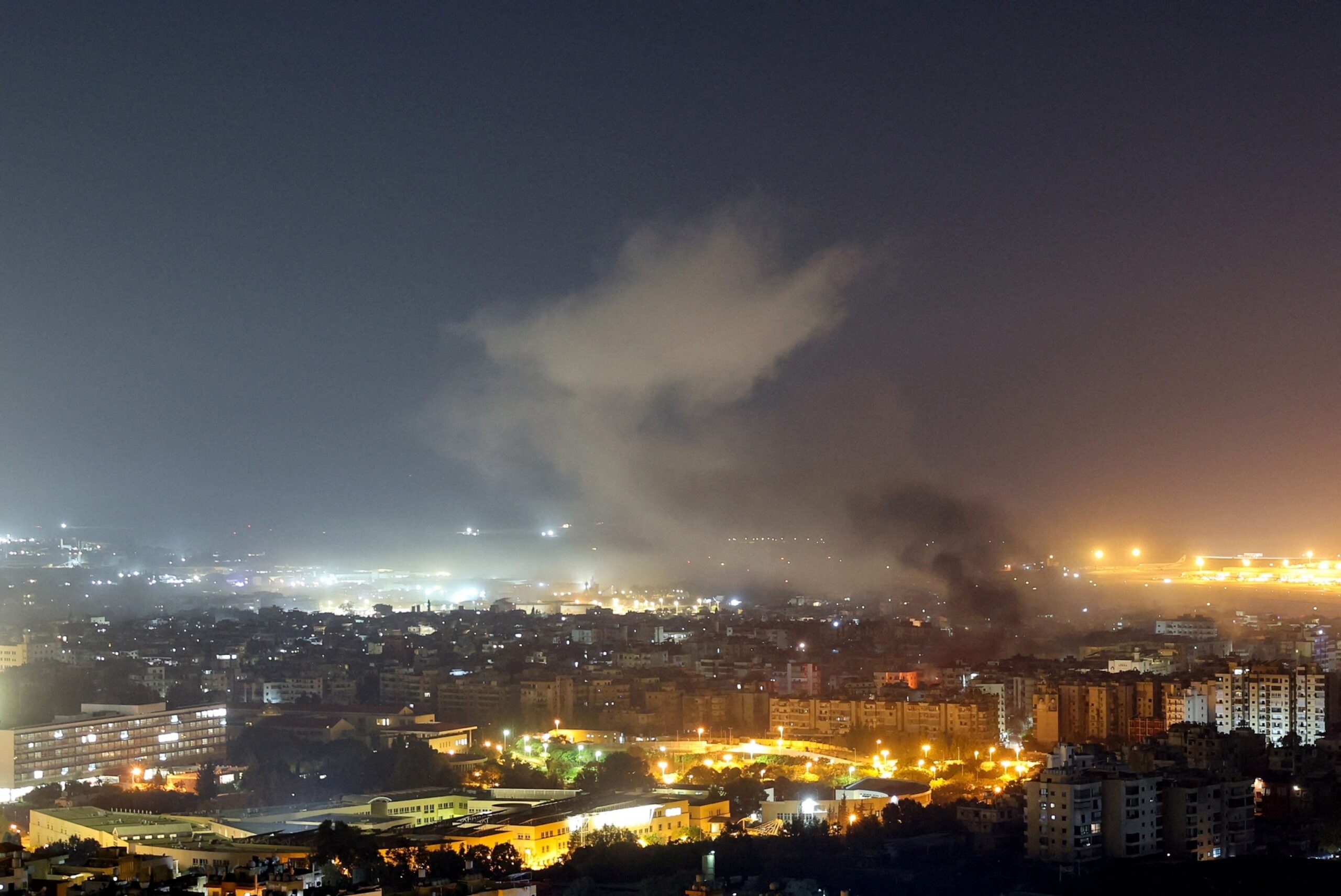
As Israeli strikes continue in Lebanon, the civilian population is facing an increasingly dire situation. Humanitarian workers are reporting grim and heartbreaking details about the impact on everyday lives. According to the Lebanese Health Ministry, as of Sunday, at least 850 people have been killed, including 107 children and 66 women. Additionally, more than one in seven people, or at least 1 million, are internally displaced as of Monday, according to official figures.
Aid workers spoke with ABC News about overcrowded conditions at shelters, the disproportionate effect on women and children, and the urgent need for psychosocial support. Cyril Bassil, communications coordinator at CARE International Lebanon and based in Beirut, described the situation as “catastrophic times, heartbreaking times.”
“The fear and anxiety is through the roof amongst the people living in Lebanon,” Bassil said. “Internally displaced people … they don’t know if tomorrow they’re gonna be able to send their kids to school. They don’t know if they’re gonna eat tonight. They don’t know if they’re gonna have any form of future.”
Displacement Affecting Women and Children
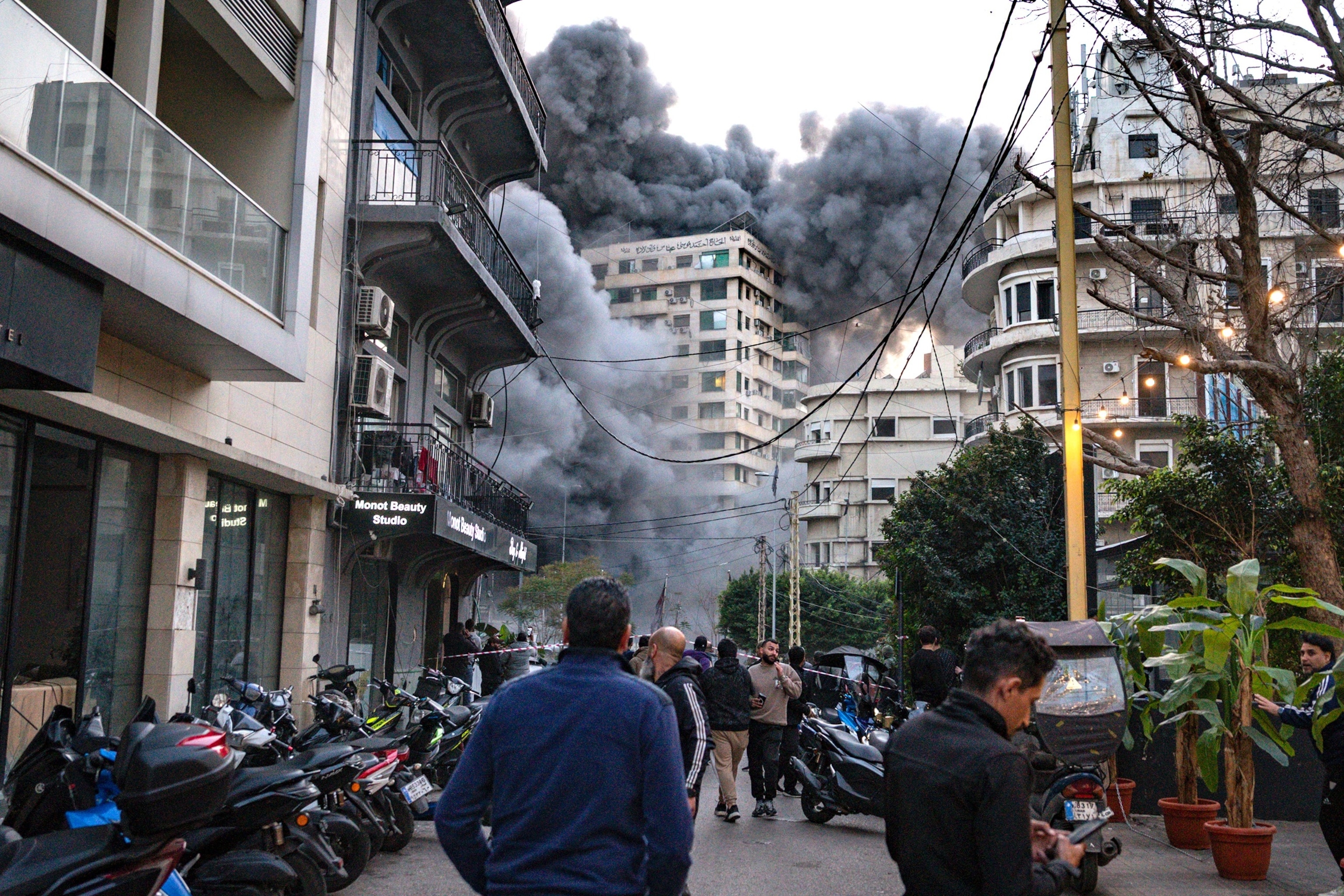
Due to limited capacity at shelters, displaced people in Lebanon are sheltering in public spaces, open areas, and other temporary locations, such as parking lots and restaurants. Some humanitarian workers told ABC News they’ve seen families sleeping in their cars or on sidewalks with no mattresses, pillows, or blankets.
Displacement has disrupted education, with around 120,000 people staying in collective shelters, most of them set up in public schools, according to the United Nations. Bassil noted that because classrooms are sheltering dozens of families, many children don’t have access to school.
“Out of these [1 million] people, several hundreds, thousands of children that are out of school, right?” Bassil said. “You have among them people that need immediate medical assistance. … We’ve met children that were dehydrated, that were laying down on the floor for hours because, if they got up, they would be dizzy and fall.”
Pregnant women in Lebanon are also facing risks because of the displacement crisis. According to the United Nations Population Fund, there are 11,600 pregnant women affected in Lebanon, 4,000 of whom are expected to give birth over the next three months. Aid workers said many of these women cannot access a hospital or a clinic and some have been forced to give birth in dangerous conditions.
Psychological Impacts of War
Research has shown people living in war zones are at increased risk of many mental health issues, including depression, anxiety, post-traumatic stress disorder (PTSD), and more. At least 10% of those who experience traumatic events in armed conflict will have serious mental health problems, and another 10% “will develop behavior that will hinder their ability to function effectively,” according to the World Health Organization.
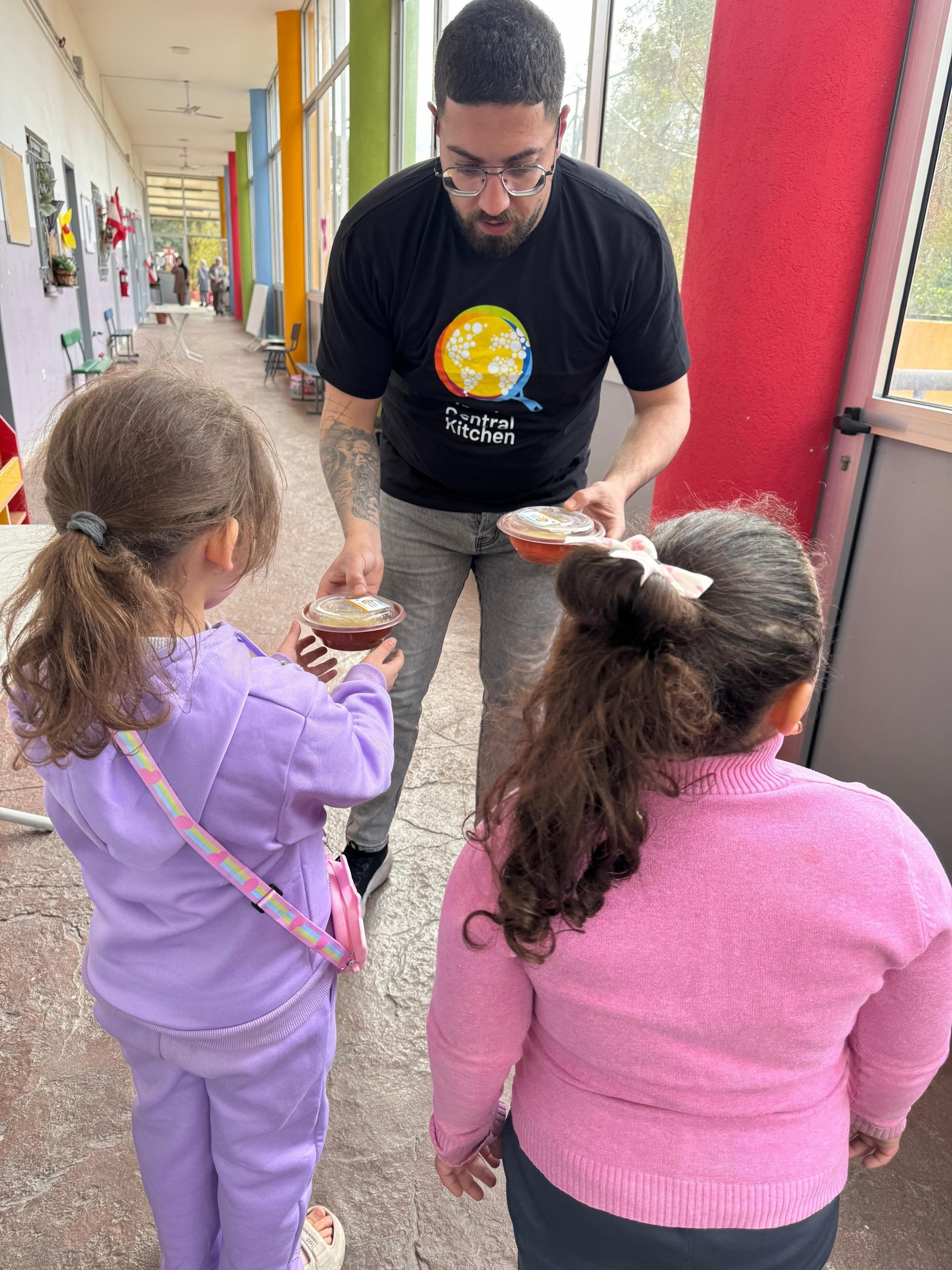
Bassil said that CARE is providing psychological first aid and professional therapists for those in need of mental health care as well as safe spaces for people to “express their emotions.” In one instance, he met a mother with three children ages 3, 5, and 8 who have been going through what he described as a “roller coaster of emotions.”
“They wake up in the morning, they start crying. And then they have hyperactivity, they start playing soccer, they start throwing things. They start picking fights,” Bassil said. “They start doing anything to release their emotions, and then suddenly they switch to another emotion. So, it’s a roller coaster of emotions that she was telling us she doesn’t know how to handle this.”
Another man Bassil met, whom he estimates is in his 70s, was distressed after losing the home he built by hand in southern Lebanon due to airstrikes and being forced to evacuate.
Reduced Resources and Global Response
Some of the aid workers said that funding cuts from global humanitarian organizations are making the crisis in Lebanon worse than the 2024 conflict. In 2024, the U.S. provided nearly $157 million in humanitarian assistance to support populations affected by the conflict in Lebanon, partly through the U.S. Agency for International Development (USAID).
However, during the 2024 conflict, Kamakian added that countries in the Gulf Cooperation Council (GCC), including Bahrain, Kuwait, Oman, Qatar, Saudi Arabia, and the United Arab Emirates, provided significant assistance in Lebanon. However, these countries are now being affected by the wider crisis in the Middle East and do not have the resources to help Lebanon similarly, she said.
“You had the GCC sending some aid [in 2024]. You had European countries,” Kamakian said. “Today you don’t have USAID. You don’t have GCC countries.”