The World Teeters On An Oil Crisis: Prices Could Skyrocket Again
Global Energy Stability at Risk
Global energy stability is once again under threat. Amid rising tensions in the Middle East, analysts warn that the oil crisis could quickly escalate into a far more severe scenario. The focus is on the Strait of Hormuz, one of the most critical maritime chokepoints in the world, through which nearly a fifth of global oil supply passes. Any disruption there has immediate consequences for economies from New York City to Tokyo.
Recent moves by Iran have raised alarm bells. Following indirect confrontations with the United States and Israel, the risk of a full or partial blockade of the strait no longer seems far-fetched. This route is essential not only for Gulf producers but also for major global economies that depend on a steady flow of crude oil.
In response, countries like Saudi Arabia and the United Arab Emirates have spent decades investing in alternative export routes. Pipelines crossing the Arabian Peninsula allow some oil to be redirected to the Red Sea or ports outside the Gulf. However, these solutions, while strategic, have logistical limits and cannot fully replace the volume that typically flows through Hormuz.
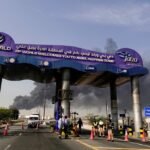
The problem is that even these alternative routes are now under threat. The port of Fujairah, a key hub for the UAE, has recently been targeted, highlighting the vulnerability of these backup corridors. The strategy appears clear: not only disrupt the main route but also weaken any attempt to bypass it.
Another critical chokepoint is the Bab el-Mandeb Strait, which connects the Indian Ocean to the Red Sea. This passage becomes essential when oil is rerouted from the Gulf, but it is also influenced by the Houthi movement, a group backed by Iran with a history of targeting commercial vessels.
In recent years, the Houthis have demonstrated their ability to disrupt global trade. Their attacks significantly reduced shipping traffic through the Red Sea, impacting supply chains across Europe and Asia. A renewed, coordinated offensive could amplify those effects dramatically.
The potential coordination between Iran and the Houthis represents one of the greatest current risks. A dual blockade—at both Hormuz and Bab el-Mandeb—would severely disrupt global oil supply, driving prices higher and potentially triggering inflation, economic slowdowns, and social unrest in multiple countries.
However, the decision is not simple for Houthi leadership. Figures like Abdul Malik al-Houthi understand that any escalation would likely provoke direct military retaliation from the United States, Israel, and Saudi Arabia. The consequences could be severe, both strategically and in human terms.
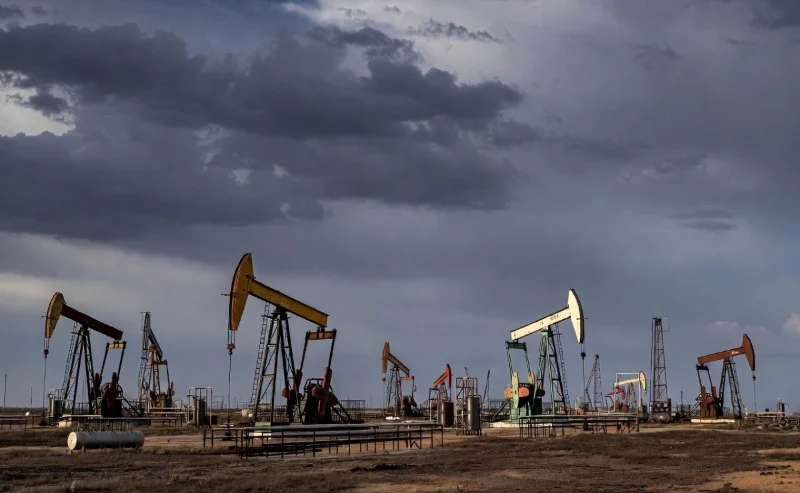
Still, recent history shows that conflicts in the region rarely follow predictable patterns. The mix of geopolitical interests, religious dynamics, and international pressure creates a volatile environment where a single decision can shift the global balance in a matter of hours.
For consumers, this could mean an immediate spike in fuel prices, higher transportation costs, and rising inflation affecting everything from food to travel. Major global cities like London and Los Angeles would quickly feel the economic impact. In an interconnected world, an oil crisis is not just a regional issue—it is a global threat that could reshape the economic landscape in a matter of weeks.