
Oil Prices Climb 1% Amid Iranian Attacks on UAE
Rising Oil Prices Amid Escalating Tensions
Oil prices saw a significant increase on Tuesday, rising over 1% as renewed Iranian attacks on the United Arab Emirates heightened concerns about global supply disruptions. The ongoing U.S.-Israeli conflict with Iran, now in its third week, has led to fears that without a swift resolution, the outlook for global oil supply could worsen.
Brent crude futures climbed by $1.33, or 1.3%, reaching $101.53 per barrel by 15:15 GMT. Similarly, U.S. West Texas Intermediate (WTI) crude increased by $1.21, or 1.3%, to $94.71 per barrel. These gains reflect growing anxiety among traders about the potential for long-term supply issues.
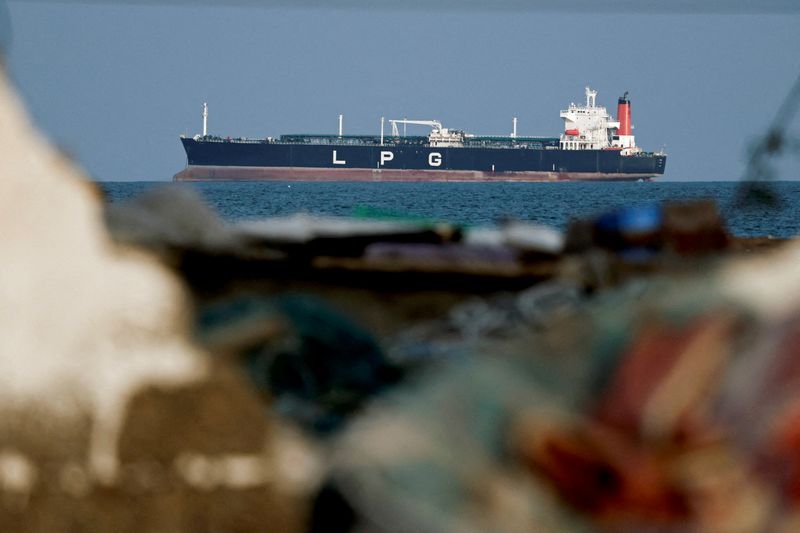
The U.S.-Israeli war on Iran continues without signs of abating. Although oil futures have not reached the recent peak of nearly $120 per barrel, the repeated attacks on oil installations by Iran and the disruption to shipping through the Strait of Hormuz—critical for about 20% of the world’s oil and liquefied natural gas trade—have left traders preparing for extended periods of elevated prices.
Tony Sycamore, a market analyst at IG, warned, “The risks remain stark: It only takes one Iranian militia to fire a missile or plant a mine on a passing tanker to reignite the entire situation.”
Impact on UAE and Global Supply
Iran launched renewed attacks on the United Arab Emirates on Tuesday, causing partial halts in oil loading at the Fujairah port. This was the third attack in four days, igniting a fire at the export terminal. Fujairah, located on the Gulf of Oman just outside the Strait of Hormuz, is a crucial exit point for oil volumes equivalent to roughly 1% of global demand.
The effective closure of the strait has forced the UAE, the Organization of the Petroleum Exporting Countries’ third-largest producer, to reduce its output by more than half, according to two sources. Middle East crude benchmarks have surged to record highs, becoming the world’s most expensive oil, with traders attributing the price spike to reduced supply available for delivery.
Severe Disruptions and International Reactions
Several U.S. allies rejected Donald Trump’s call to send warships to escort shipping through the strait, drawing criticism from the U.S. president, who accused Western partners of ingratitude after decades of support. Germany’s defense minister responded by stating, “This is not our war, we have not started it.”
On Tuesday, President Emmanuel Macron of France said that his country would never take part in operations to unblock the strait, and would only participate in a coalition that could provide freedom of navigation once hostilities ended.
Kevin Hassett, the White House economic adviser, told CNBC that oil tankers are “starting to dribble through” the Strait of Hormuz, reiterating the Trump administration’s position that the Iran conflict will last weeks, not months. On Monday, Brent lost 2.8% while U.S. WTI fell by 5.3% after some vessels sailed through the critical Strait of Hormuz.
“While that has eased concerns about an immediate hit from locked-up Middle Eastern barrels, traders still expect the disruption to be severe,” noted investment bank Cavendish in a note.
Potential for Further Price Increases
Among the vessels that have transited the strait are those operated by Iran. Despite this, oil prices still have the potential to rise further by the end of March, with technical analysis showing WTI’s medium-term resistance at $124 per barrel, according to OANDA analyst Kelvin Wong.
To address rising energy costs, the head of the International Energy Agency suggested that member countries could release more oil, in addition to the 400 million barrels they have already agreed to draw from strategic reserves.