Israel Strikes Down Top Iranian Security Leader and Basij Chief in Air Attack
Key Figures in Iranian Leadership Killed in Israeli Strikes
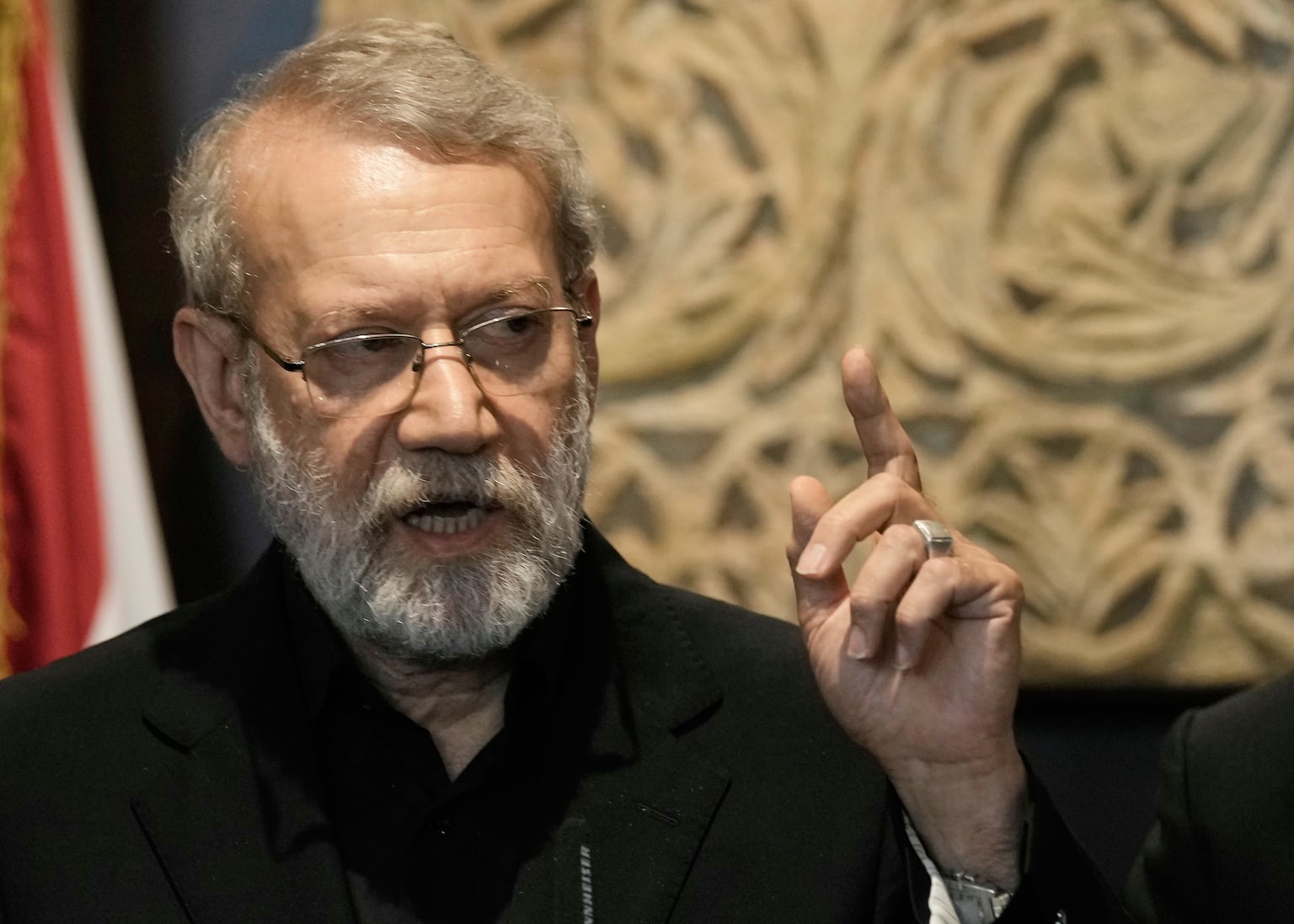
In a significant development, Iran’s top security official and the head of the Revolutionary Guard’s Basij militia were reportedly killed in overnight strikes, according to Israel’s defense minister. The individuals identified as Ali Larijani and General Gholam Reza Soleimani were “eliminated last night,” as stated by Israeli Defense Minister Israel Katz.
This incident marks a major blow to Iran’s leadership structure, particularly following the death of Iran’s 86-year-old Supreme Leader, Ayatollah Ali Khamenei, in an air strike on February 28. This date marked the beginning of a war launched by the United States and Israel, with several other high-ranking officials from the Iranian theocracy also being killed since then.
The announcement came after the Israeli military reported carrying out a “wide-scale wave of strikes” across Iran’s capital and increasing attacks on Iran-backed Hezbollah militants in Lebanon. Additionally, Israel noted two incoming salvos from Iran aimed at Tel Aviv and other areas, while Hezbollah targeted northern Israel.
Impact on Regional Stability
Incoming Iranian missiles led to Dubai, a crucial transit hub for international travel, briefly shutting down its airspace. A man was killed by debris from a missile intercepted over Abu Dhabi.
Ali Larijani, who hails from one of Iran’s most prominent political families, had served as a former parliamentary speaker and senior policy adviser. He was appointed to advise the late Ayatollah Khamenei on strategy during nuclear talks with the Trump administration. Larijani also held the position of secretary of Iran’s Supreme National Security Council, which is the country’s top security body.
General Gholam Reza Soleimani, the head of the Basij militia forces, was labeled by Israel’s military as an “armed apparatus of the Iranian terror regime.” An Israeli military spokesperson highlighted that during internal protests in Iran, particularly as demonstrations intensified, Basij forces under Soleimani’s command led the main repression operations, employing severe violence, widespread arrests, and the use of force against civilian demonstrators.
Soleimani has been sanctioned by the US, the European Union, and other nations due to his role in suppressing dissent through the Basij for years.
Escalation of Conflict and Global Concerns
Since the war began on February 28, Israel has launched specific attacks targeting Iran’s leadership, resulting in the deaths of key figures such as the Supreme Leader and other military commanders.
Iran’s attacks on Gulf nations and its control over the Strait of Hormuz, a critical route for global oil transportation, have raised concerns about a potential global energy crisis. With Washington facing pressure over rising oil prices, Brent crude, the international standard, remained above $100 a barrel, having increased by more than 40% since the conflict began.
Recent Attacks and Defensive Measures
Saudi Arabia’s Defence Ministry reported intercepting a dozen drones over the Eastern Province, an area home to vital oil infrastructure. In Qatar, explosions were heard in the capital as defenses worked to intercept incoming fire. The Qatari Defence Ministry confirmed that it successfully thwarted a missile attack on the city, although a fire broke out in an industrial area due to a downed projectile.
Attacks from Iran-linked proxy forces continued in Iraq, with the US Embassy in Baghdad hit by shrapnel from intercepted drones. According to two Iraqi security officials, the embassy’s air defences managed to shoot down all four drones targeting the facility.
Ongoing Tensions and International Response
The ongoing conflict has led to heightened tensions in the region, with multiple countries taking defensive measures against potential threats. As the situation continues to evolve, the international community remains closely watching developments, with concerns growing over the potential for further escalation and its impact on global stability.