The second trade chokepoint in danger from Iran’s war
Escalating Tensions and the Strain on Global Oil Markets
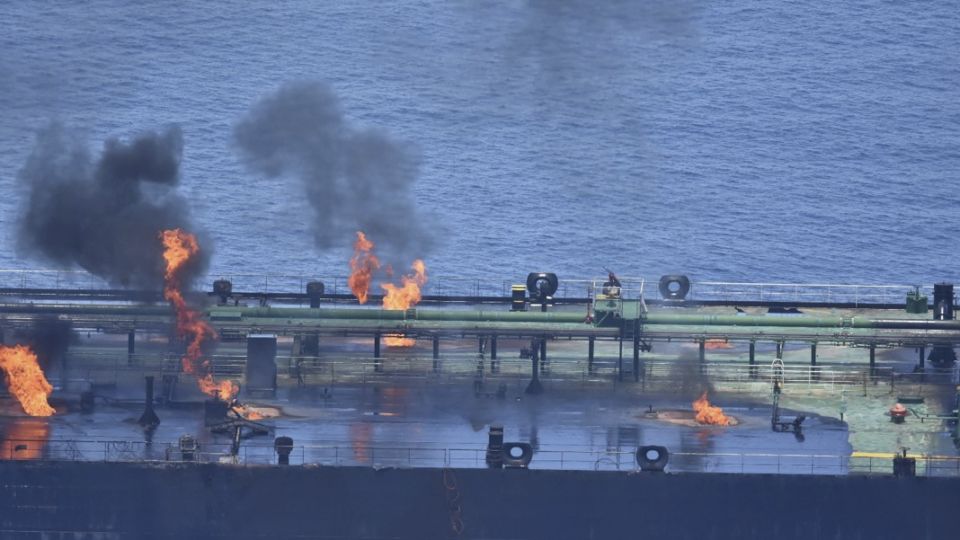
The recent attacks on commercial ships in the Middle East have had a significant impact on the global oil market, effectively closing the vital Strait of Hormuz to tankers. This has disrupted the flow of crude oil, forcing producers to seek alternative routes to deliver their fuel to buyers around the world.
One of the primary alternatives is through the Red Sea. Saudi Aramco, the world’s largest oil producer, has begun rerouting millions of barrels of crude from the Persian Gulf to its western port of Yanbu via a pipeline. This move comes as the number of daily oil loadings at Yanbu has more than doubled this month compared to the daily average last year, according to data from Kpler, a trade data and analytics company.
However, even this alternative route is now under threat. On Monday, Iran declared US naval facilities in the Red Sea as potential targets, citing the presence of the US aircraft carrier Gerald R. Ford as a threat. This statement highlights the growing tensions in the region and raises concerns about the safety of oil shipments.
A Region in Turmoil
Before the current conflict broke out on February 28, the Red Sea was already a volatile area. In late 2023, Iran-backed Houthi militants began attacking vessels in the Red Sea, retaliating against Israel’s war against Hamas. These attacks forced shipping companies to reroute their vessels around the southern tip of Africa, adding weeks to journeys and increasing costs for fuel, insurance, and seafarers’ wages.
The United Kingdom Maritime Trade Operations Centre warned that the security situation in the Red Sea remains “substantial,” with Houthi forces retaining both the capability and intent to conduct maritime attacks. An Israeli source also indicated that there were signs the militants might carry out attacks against Israel, which would be a first since the war began.
The Impact on Oil Prices
At full capacity, the Saudi east-to-west pipeline can transport 7 million barrels of crude oil per day, compensating for a portion of the roughly 15 million barrels per day that normally transit the Strait of Hormuz. However, if violence returns to the Red Sea, it could block these diverted oil flows, exacerbating fears over global supply and pushing oil prices higher.
Analysts warn that if tankers carrying Saudi oil come under attack in the Red Sea, it could lead to a significant price spike in oil. Naveen Das, a senior oil analyst at Kpler, stated, “There’s no out.” This sentiment reflects the growing concern that all escape routes for oil are being targeted.
David Oxley, chief climate and commodities economist at Capital Economics, suggested that if violence returns to the Red Sea and completely traps the supply of crude from the oil-rich region, Brent crude, the global oil benchmark, could soar to between $130 and $150 a barrel from its current level of around $100.
Container Ship Traffic and the Red Sea
In contrast, the impact of any attacks in the Red Sea on container ships carrying goods would be marginal, given that the vast majority of these vessels have been avoiding the waterway since late 2023. Peter Sand, chief analyst at Xeneta, estimates that about 90% of container shipping capacity that used to pass through the Red Sea has been rerouted around South Africa’s Cape of Good Hope.
While some companies, like Danish shipping giant Maersk, have attempted to resume traffic through the Red Sea, they have since suspended those routes due to security risks. Judah Levine, head of research at logistics firm Freightos, noted that the current situation has set back the timeline for a full-scale return of maritime traffic to the Red Sea.
Sand added that many shipping companies are likely to avoid the Red Sea for the rest of the year, citing increased insurance costs for vessels taking that route. Although there have been no outright attacks from the Houthi rebels since the strikes in the Middle East began, the threat is enough to keep container carriers away.