Iran attacks UAE energy targets as gas field burns and tanker hit near Hormuz Strait
Escalation of Attacks on UAE Energy Infrastructure
Iran has launched a new series of attacks targeting the United Arab Emirates’ energy and transport infrastructure, raising concerns about potential global energy shortages. These incidents have led to fires at the Shah gas field and the Fujairah Oil Industry Zone, while a tanker was also struck near the Strait of Hormuz.
The situation has caused oil prices to rise significantly in response to the ongoing disruptions.
Impact on Key Energy Facilities
A drone attack reportedly damaged the world’s largest ultra-sour gas development in the UAE, leading to a fire at the Shah gas field. The facility, located 180 kilometers southwest of Abu Dhabi, is operated by a joint venture between ADNOC and Occidental Petroleum Corp. It has the capacity to produce 1.28 billion standard cubic feet of gas per day and 4.2 million tons of sulfur annually. Operations at the site were suspended following the incident, although no injuries were reported.
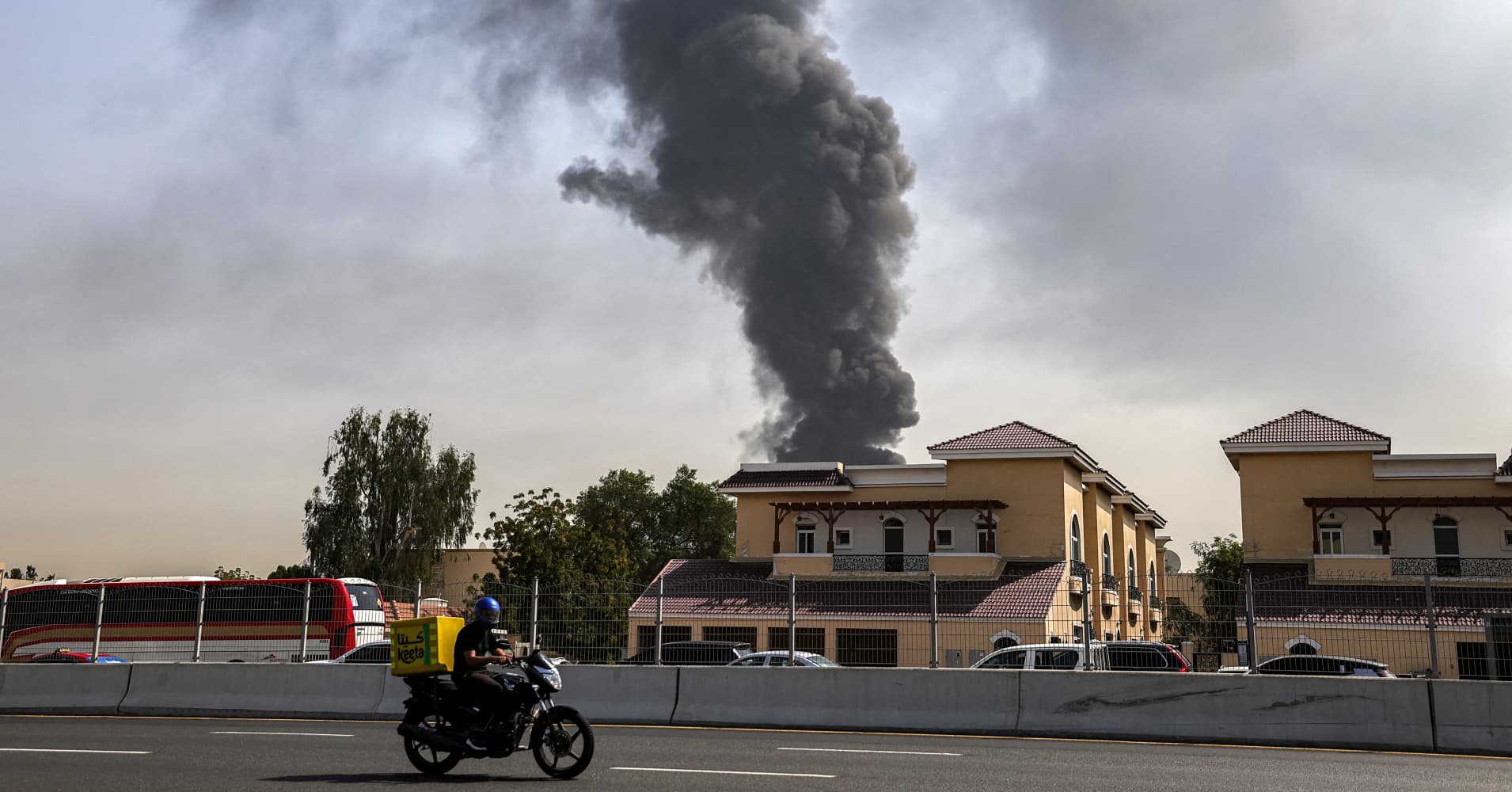
In addition, a fire broke out at the Fujairah Oil Industry Zone, which serves as a crucial hub for the UAE’s crude exports and bunkering operations. No casualties were reported, but the incident highlights the vulnerability of the region’s critical infrastructure. Fujairah is one of the world’s top hubs for storing crude and fuels, and it plays a vital role in regional shipping activities.
Strategic Importance of the Strait of Hormuz
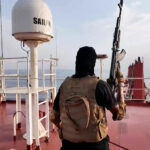
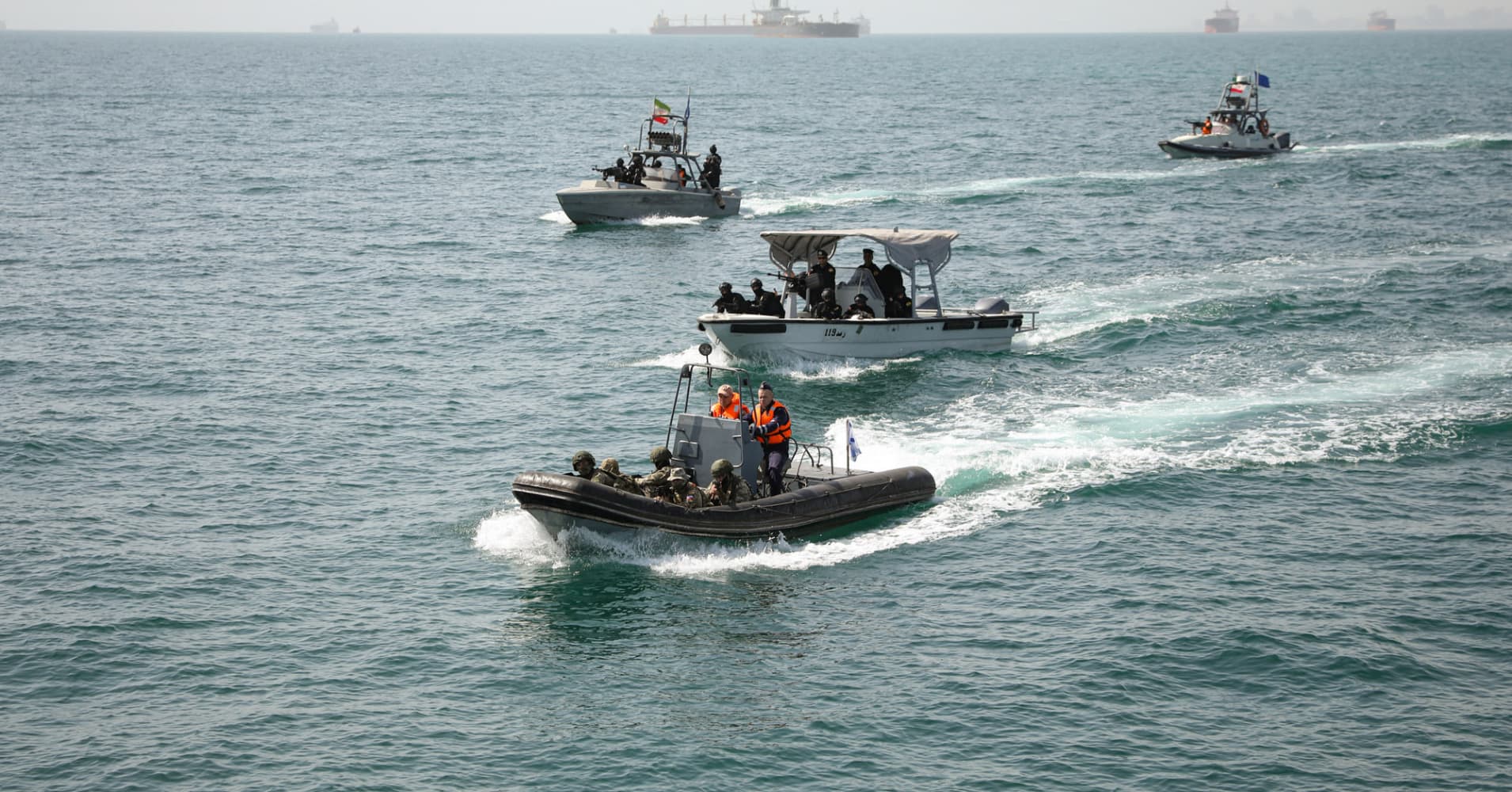
The Strait of Hormuz, a key maritime chokepoint, has seen a significant reduction in shipping traffic since the U.S. and Israel launched strikes against Iran on February 28. In response, Iran has targeted ships attempting to pass through the corridor, with multiple incidents reported in recent weeks.
The UAE’s Abu Dhabi Crude Oil Pipeline (ADCOP), which spans around 248 miles from Habshan to Fujairah, is estimated to handle 1.5 million barrels per day, with a total capacity of nearly 1.8 million barrels per day. This pipeline is essential for transporting oil from onshore facilities to the Gulf of Oman.
Incidents Affecting Shipping Vessels
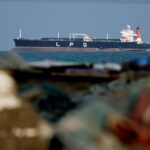
A tanker was struck by an unknown projectile approximately 23 nautical miles east of Fujairah in the Gulf of Oman. According to an update from the United Kingdom Maritime Trade Operations (UKMTO) center, the incident caused minor structural damage, with no injuries to the crew or environmental impact reported.
This event follows reports of six vessels sustaining damage in and around the Persian Gulf, Strait of Hormuz, and Gulf of Oman last week. Iran has warned that oil prices could climb to $200 per barrel as a result of these ongoing disruptions.
Rising Oil Prices and Market Response
Oil prices have surged in response to the ongoing supply disruptions. On Tuesday morning, international Brent crude futures with May delivery advanced 3.2% to $103.40 per barrel, while U.S. West Texas Intermediate futures with April delivery rose 3.4% to $96.69.
Prices have increased by about 40% during the U.S.-Iran conflict, reaching their highest levels since 2022. Brent crude closed above $100 for the first time in four years last week, signaling growing concerns over the stability of global energy markets.