Israel Strikes Tehran and Lebanon as Iran Targets Gulf Neighbors
Escalating Conflicts in the Middle East
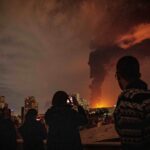
Residents of Dubai and Doha, Qatar, were jolted awake by the sound of explosions on Tuesday as air defense systems worked tirelessly to intercept a new wave of incoming Iranian attacks. Simultaneously, Israel launched fresh strikes against Iran and Lebanon, signaling that the conflict in the Middle East continues to intensify without any signs of abating.
Dubai, a major international transit hub, temporarily closed its airspace as the military responded to missile and drone threats surrounding the city. This move underscored the growing concerns over the security of one of the world’s busiest airports.
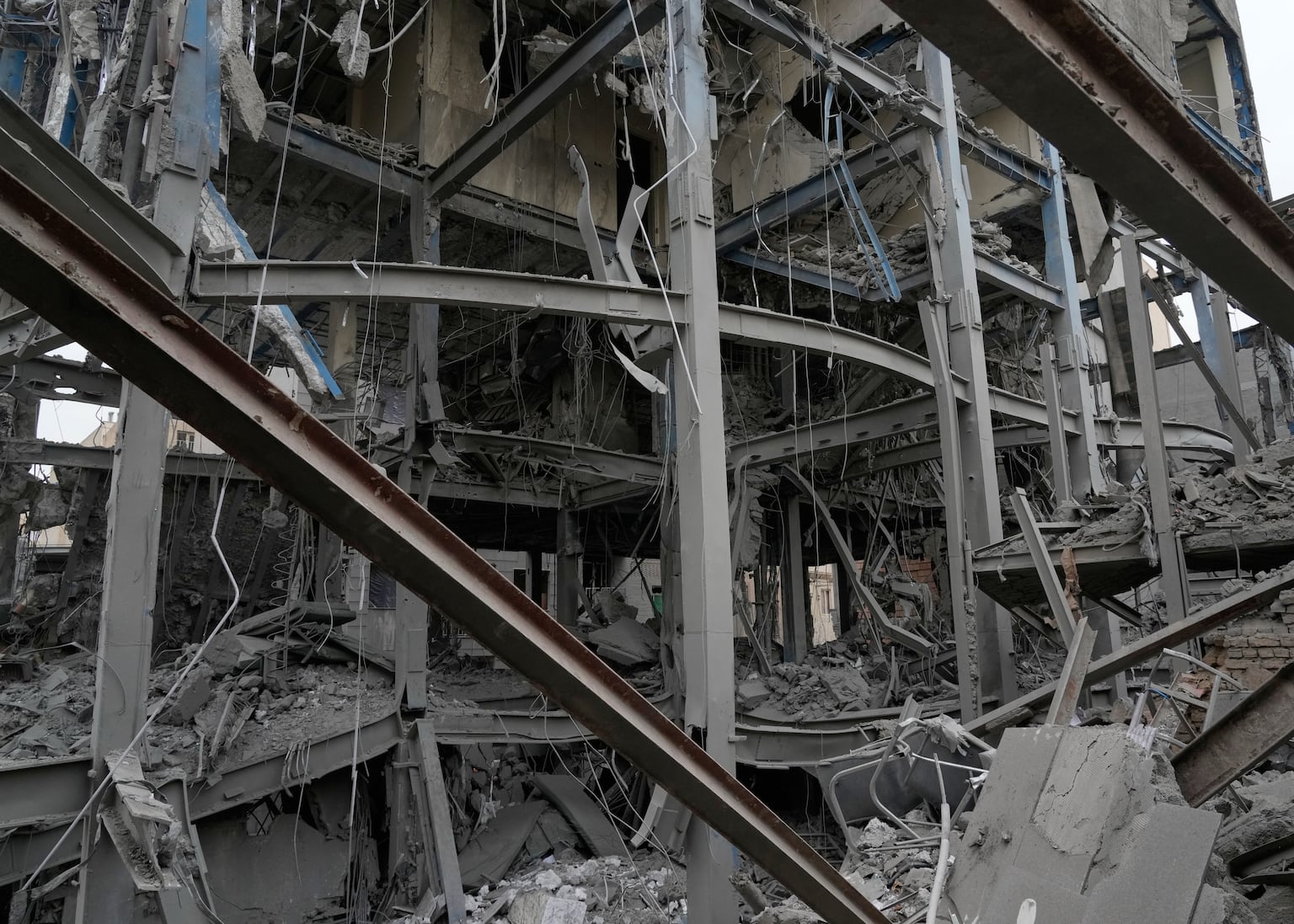
The Israeli military announced early on Tuesday that it had initiated a “wide-scale wave of strikes” across Iran’s capital and was also escalating attacks on Iran-backed Hezbollah militants in Lebanon. The situation remained tense as Israel reported two incoming salvoes from Iran targeting Tel Aviv and other areas, while Hezbollah reportedly focused its attention on northern Israel.
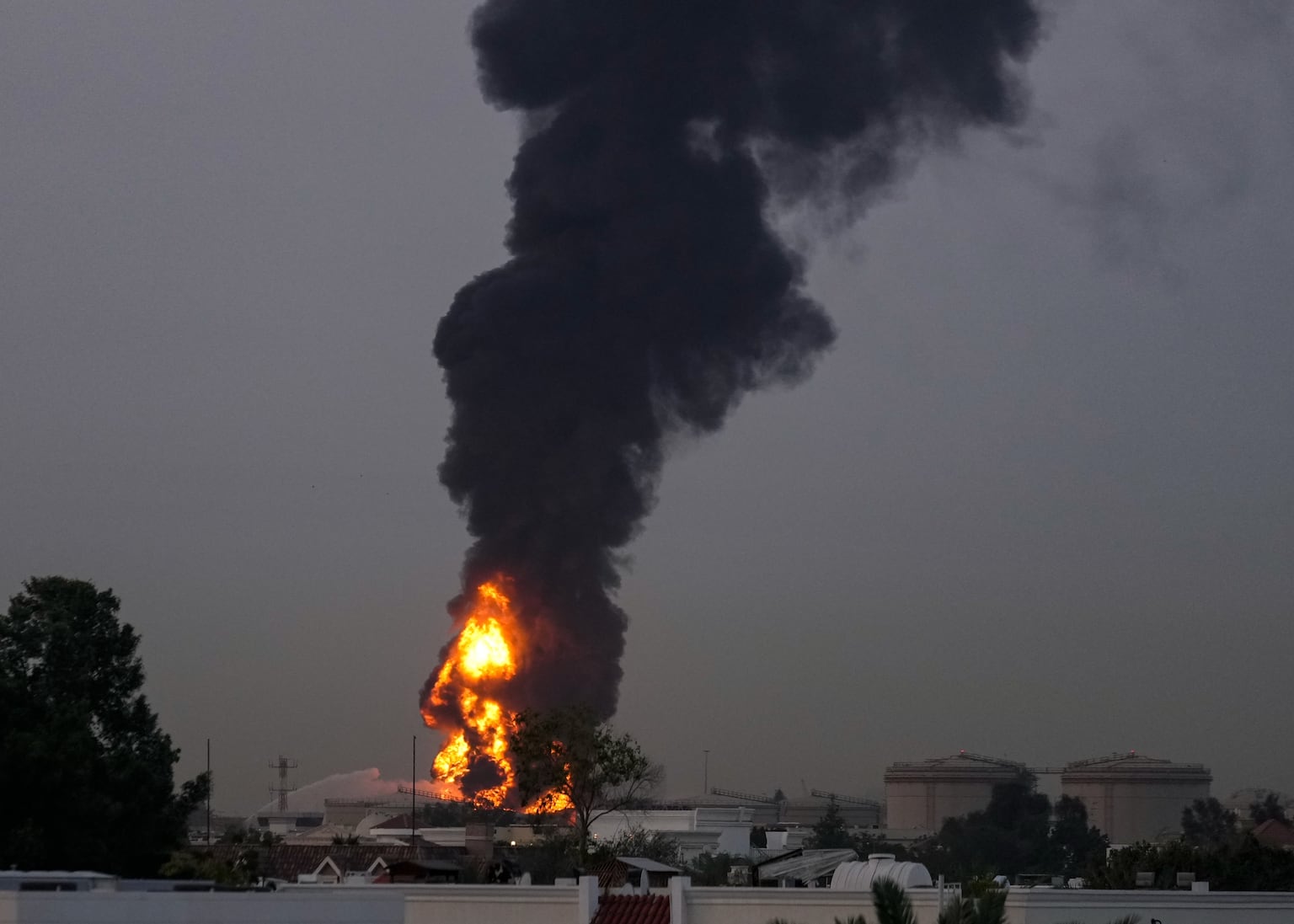
Iran continued to pressure its Gulf Arab neighbors, striking an oil facility in Fujairah, located on the east coast of the United Arab Emirates (UAE). The Gulf of Oman, a critical waterway for global oil trade, has been repeatedly targeted. According to state-run WAM news, no injuries were reported following the drone strike. However, the attacks have raised alarms about potential global energy crises, especially given the strategic importance of the Strait of Hormuz, through which a fifth of the world’s oil is transported.
Early on Tuesday, another tanker anchored off the coast of Fujairah was hit, marking one of approximately 20 vessels targeted since the war between Israel and the United States began with an attack on Iran on February 28. With rising oil prices, Brent crude, the international standard, remained above $100 per barrel, surging more than 40% since the conflict started.
US President Donald Trump urged several countries to send warships to ensure the Strait of Hormuz remains open. However, his calls did not yield immediate commitments, as many nations expressed reluctance to get involved in a war without a clear exit strategy and skepticism about their ability to do more than the US Navy.
The UAE briefly shut down its airspace on Tuesday as its military addressed missile and drone threats from Iran. The closure was soon lifted, but shortly after, the sounds of explosions echoed as defenses worked to intercept incoming fire.

This sudden airspace closure highlighted the delicate balance Emirati authorities must maintain to keep long-haul carriers like Emirates and Etihad operational amid ongoing Iranian attacks.
In Saudi Arabia, the Defence Ministry reported intercepting a dozen drones over the Eastern Province, a region home to critical oil infrastructure. Meanwhile, in Qatar, the sounds of explosions resonated over the capital as defenses worked to thwart incoming fire. The Qatari Defence Ministry later confirmed that it had successfully intercepted a missile attack on the city, though a fire broke out in an industrial area due to a downed projectile.
Attacks by Iran-linked proxy forces persisted in Iraq, where the US Embassy in Baghdad was struck by shrapnel from intercepted drones. The embassy’s air defenses managed to shoot down all four drones targeting the facility, according to two Iraqi security officials who spoke on condition of anonymity. A separate strike targeted a house in the heavily fortified Presidential Compound in Baghdad’s al-Jadriya area, although the perpetrators remain unclear. Iran-allied militias have frequently targeted American interests in Iraq since the conflict began.