The King of the Sky: Charles George Gass and the 39 Victories of the Bristol Fighter
The Extraordinary Story of Charles George Gass
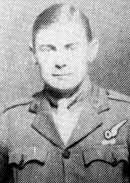
When the term “flying ace” comes to mind, many imagine a skilled fighter pilot soaring through the skies. However, not all aces were pilots. One such individual was Charles George Gass, who became the highest-scoring observer ace of World War I. Born on April 18, 1898, in Chelsea, London, Gass achieved an impressive 39 aerial victories, including 16 solo successes, while serving as a gunner and observer.
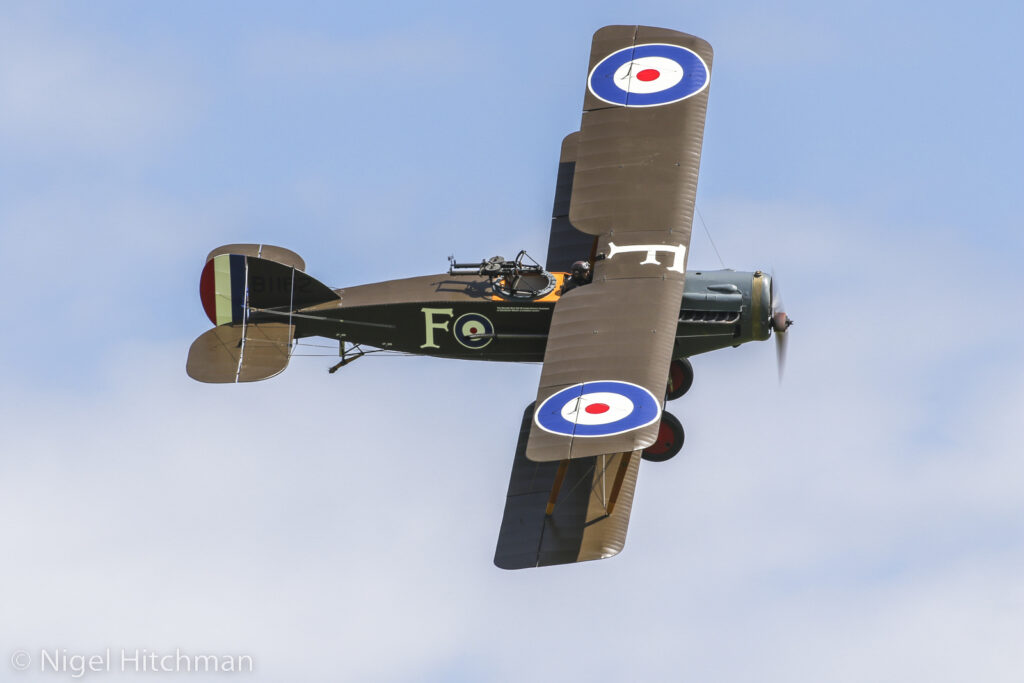
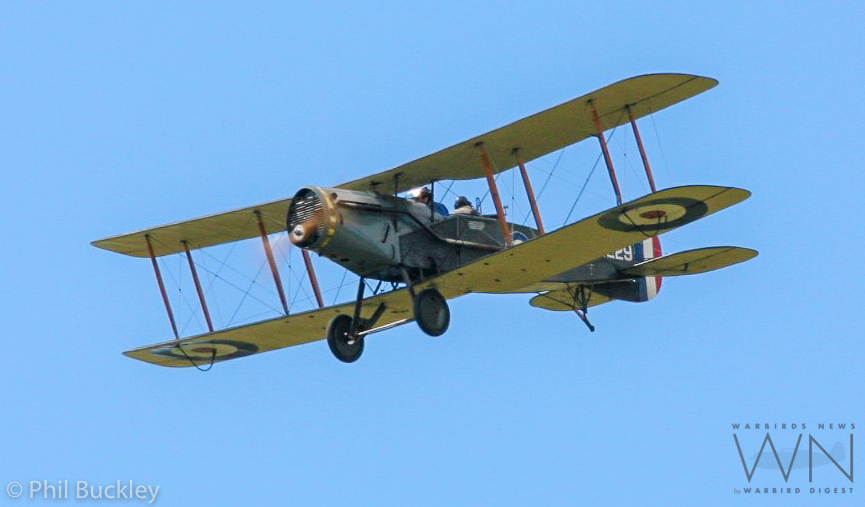
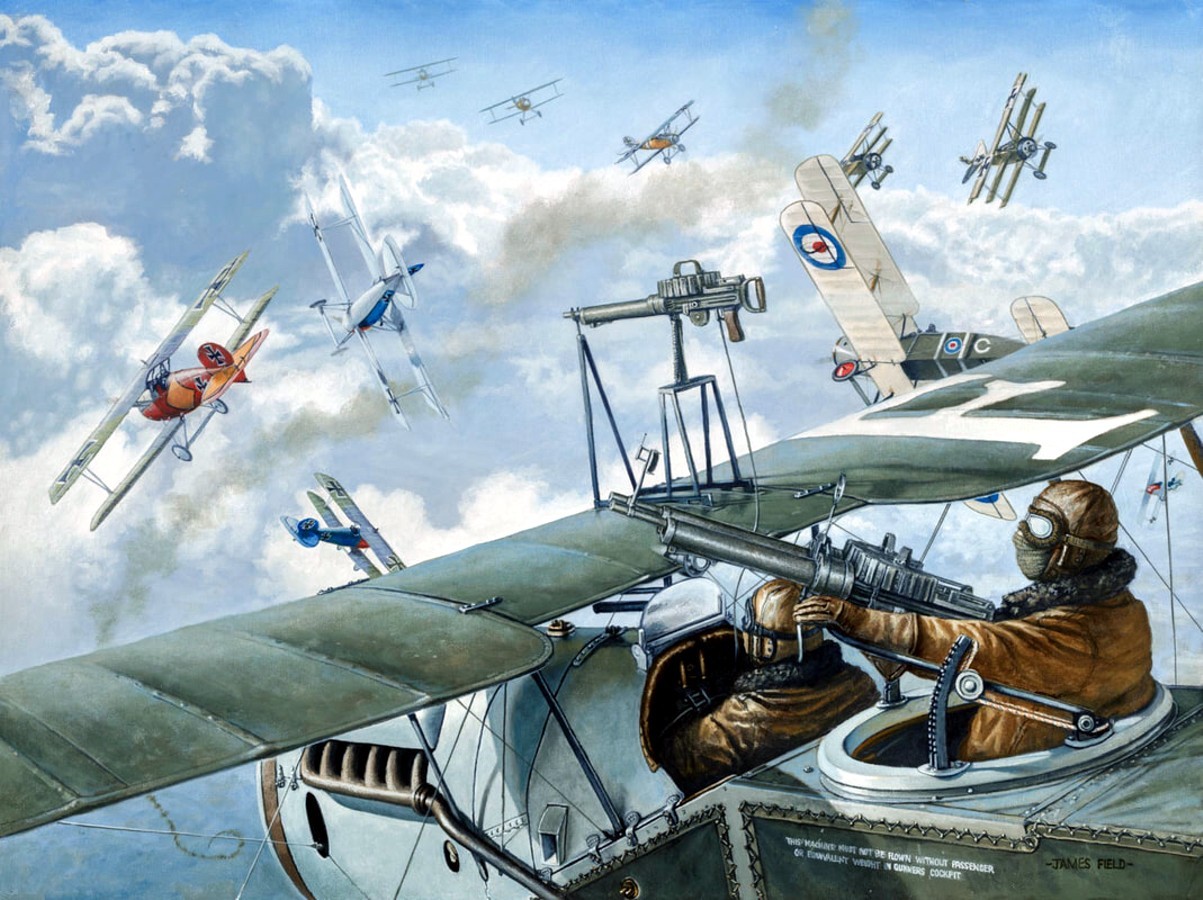
Gass began his military career with the 2/24th Battalion, London Regiment, part of the Territorial Force. He quickly rose through the ranks, becoming a sergeant before being promoted to second lieutenant in the 17th Battalion, London Regiment. In 1917, he joined the Royal Flying Corps and was assigned to No. 22 Squadron, which operated Bristol F.2Bs in France. These two-seater aircraft were equipped with Vickers machine guns for the pilot and Lewis machine guns for the observer or gunner.
A Remarkable Journey
Gass’s journey as an observer began on April 22, 1918, when he shot down a German Albatros D.V using a Lewis gun. At the time, the Germans had launched the Spring Offensive, leading to intense dogfights in the skies. Observers played a crucial role, tracking troop movements and identifying enemy reserves. Gass quickly proved his mettle during this period.
May 1918 became Gass’s most successful month. On May 7, he flew as an observer with ace pilot Alfred Atkey in a Bristol F.2B. Alongside another F.2B, the pair attacked a force of 20 German scouting planes. In an act of bravery, they shot down five German aircraft, earning Gass the title of observer ace. On May 8, flying with pilot John Everard Gurdon, Gass added another victory. Repeating their success, the pair downed five more German planes on May 9.
The duo continued their streak, shooting down two aircraft on May 15, three on May 19, three on May 20, two on May 22, three on May 27, and two each on May 30 and 31. In total, Gass was credited with 28 German planes in May, the highest monthly tally during World War I. All but one of these victories came alongside Atkey. After Atkey was posted back to England, Gass was paired with Lieutenant Edwin Bromley, and together they scored their first victory on June 5. Gass later teamed up with Lieutenant Samuel Thompson, achieving another victory on July 26.
In August, Gass reunited with Gurdon, and the pair shot down five German planes together, with the last one on August 13. Before he could qualify as a pilot, the war ended.
Service in World War II
After World War I, Gass returned to civilian life and married in 1921. He worked as a clerk for the post office and later joined the Reserve of Air Force Officers as a pilot officer. By May 1925, he was promoted to flying officer and left the reserve in 1928.
During World War II, Gass was recommissioned as a pilot officer in the Administrative and Special Duties Branch of the RAF Volunteer Reserve (RAFVR) in January 1940. He received multiple promotions and retired from RAFVR as a squadron leader in August 1955.
Legacy and Impact
Gass’s achievements are a testament to the skill and courage required of observers during World War I. Shooting targets from an aircraft flying at 123 mph, with all the challenges of pitch, roll, and yaw, was no easy task. His story highlights a unique era of aerial combat that is no longer possible today.