Israel’s Lebanon delusions endure as Hezbollah tensions rise
The Illusion of Control: Israel’s Complex Relationship with Lebanon
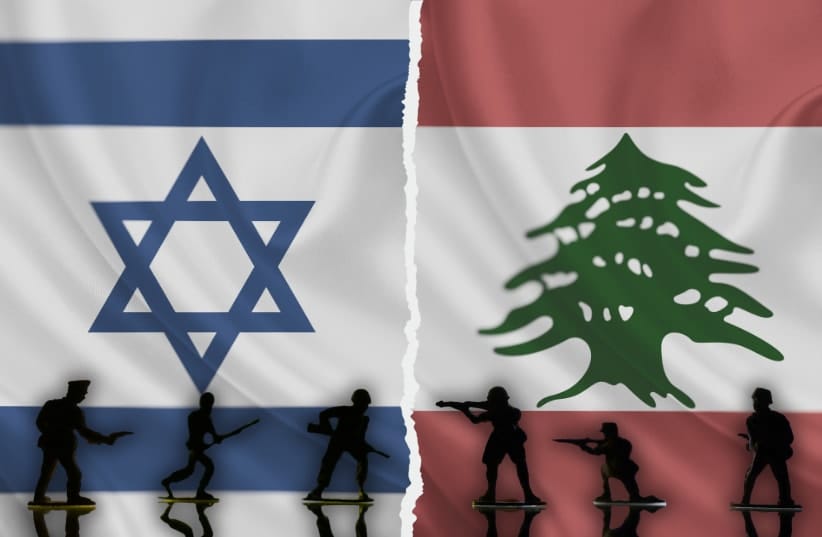
Lebanon is often referred to as the “Land of the Cedars” due to its historical abundance of cedars that once covered its mountainous regions. However, for many Israelis, a more fitting title might be the “Land of Illusions.” This perception stems from decades of misguided assumptions about how Lebanon would behave and interact with Israel.
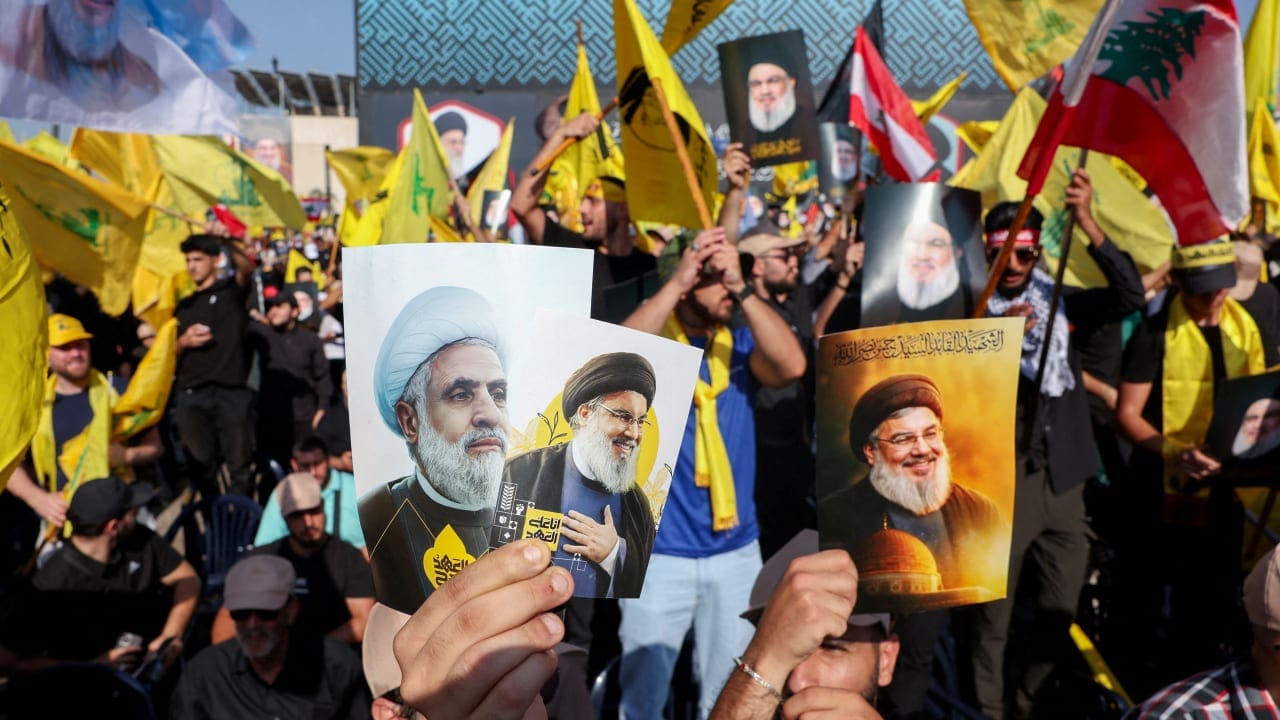
Since Israel’s establishment in 1948, there have been numerous illusions about Lebanon’s political landscape and its potential to act as a stable neighbor. These assumptions often failed to account for the complex and unpredictable nature of Lebanese politics, particularly regarding Hezbollah, a powerful Shi’ite militant group that has significantly influenced the country.
In the early years, there was a widespread belief that Lebanon, known as the “Switzerland of the Middle East,” would be the first Arab country to sign a peace agreement with Israel. This hope proved to be illusory. Similarly, in the 1980s, the government of Menachem Begin believed that a peace treaty could be forged by supporting president Bashir Gemayel. Again, this expectation did not materialize.
The Illusion of Security
From 1985 to 2000, Israel believed that maintaining control of southern Lebanon, alongside the South Lebanon Army, would ensure stability in the North. This too proved to be an illusion. Lebanon has consistently defied expectations, responding in ways that challenge Israeli assumptions.
This reality must be considered when discussing where Israel should go from here regarding Lebanon. The question remains: what steps should Israel take to address the ongoing rocket fire that is once again affecting northern communities? How can Israel move forward with Lebanon?
One option being discussed is creating a buffer zone in southern Lebanon and remaining there until there is a regime change in Iran. The rationale behind this is that without Iranian financial support, Hezbollah would lose its ability to dominate Lebanon. Another possibility involves striking Lebanese infrastructure to compel the government in Beirut to fulfill its obligations under UN Security Council Resolution 1701, which requires disarming Hezbollah.
The Role of Diplomacy
Negotiations with Lebanon are also being considered, with ideas floated by France and possibly supported by Saudi Arabia. Such negotiations could include Beirut recognizing Israel and an Israeli withdrawal from southern Lebanon. However, the current situation on the ground suggests otherwise, with the IDF deploying additional troops rather than preparing for a withdrawal.
The reason for this deployment is straightforward: to create a buffer zone that prevents Hezbollah from repositioning itself and threatening Israeli communities. The north is currently under attack from steep-trajectory projectiles, and the threat of anti-tank missiles is a significant concern.
The Risks of Continued Illusions
Despite these efforts, much of the current discussion risks falling into the same trap that has shaped Israeli thinking about Lebanon for decades. The idea of maintaining a long-term security zone carries its own dangers. History shows that such presence can turn local populations against Israel and inadvertently foster the resistance it aims to prevent.
Equally questionable is the notion that UNIFIL, under the French-proposed plan, could play a meaningful role. For decades, the international force has proven largely ineffective, unable to prevent Hezbollah from rearming and entrenching itself in southern Lebanon.
A Changing Landscape
While Hezbollah has not been destroyed, it has been significantly weakened—militarily, politically, and financially. This shift may create a narrow opening for other Lebanese actors and outside powers to maneuver. However, this does not mean Hezbollah will disappear.
Diplomatic efforts do not rely on Lebanon becoming a stronger state or Hezbollah disappearing. Instead, they focus on whether overlapping interests can produce workable arrangements. This distinction is crucial, as past assumptions relied on Lebanon behaving differently than it has.
Testing something new may be the best course left, as Israel has already tried other options—long-term security zones, international forces, and relying on Beirut’s promises. Negotiations are not a solution but the least illusory option currently on the table.