Israel Seeks Buffer Zone Deep in Lebanon to Counter Hezbollah
Israel Expands Military Presence in Southern Lebanon
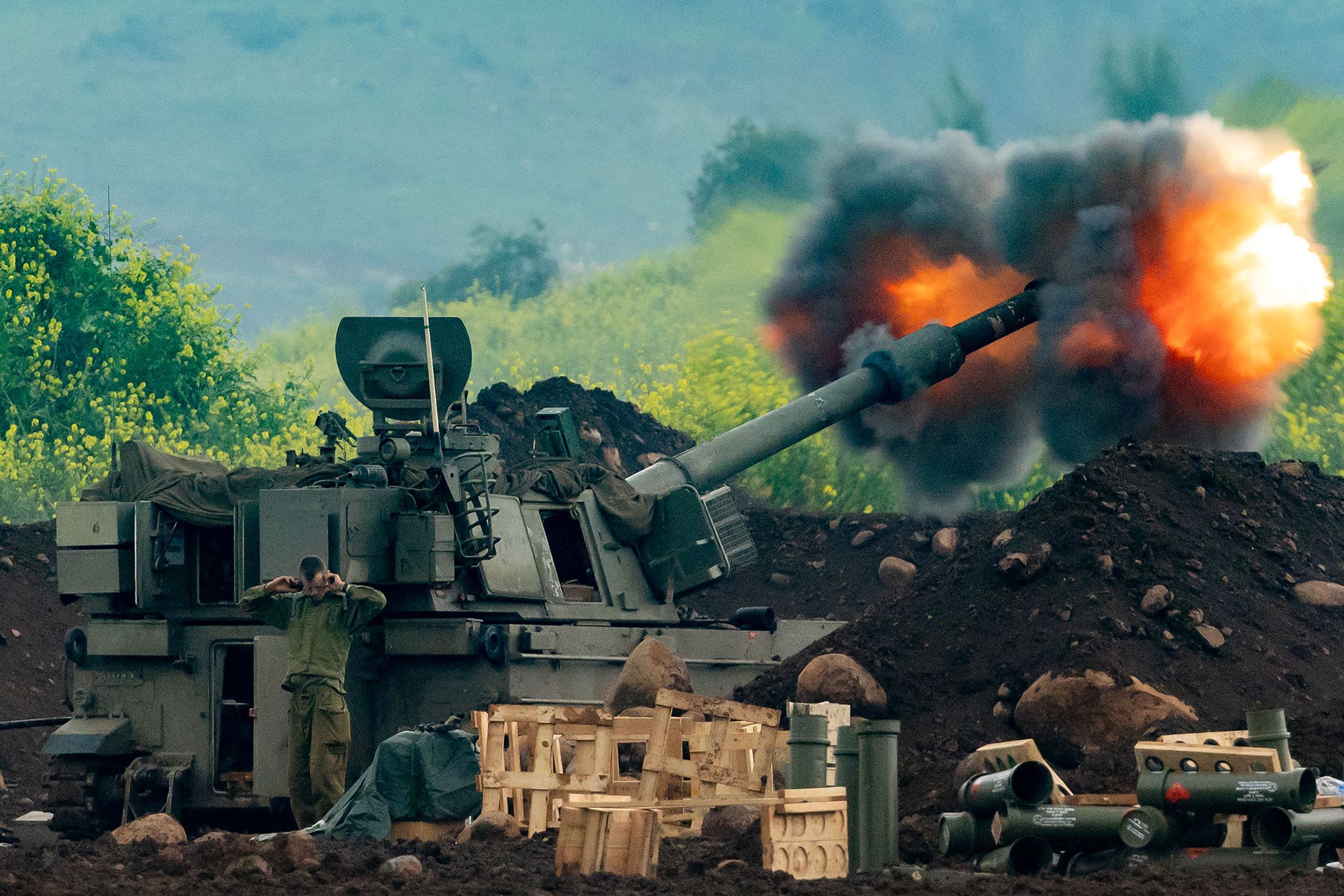
Israel is significantly increasing its military presence in southern Lebanon, with reports suggesting that up to 10% of the neighboring country’s territory could be transformed into a depopulated buffer zone. This move comes as the threat from Iran-backed Hezbollah continues to persist. The Israel Defense Forces (IDF) have already moved into over a dozen locations in Lebanon and are expected to deploy further, according to an Israeli official who spoke on condition of anonymity.
Israeli media reported that more than two divisions—approximately 20,000 troops—were involved in the operation, with additional reinforcements ready to join. The advance is aimed at “strengthening a forward defensive posture” and preventing Hezbollah militants from launching guided-missile attacks or armed infiltrations against northern Israeli towns. The IDF stated that hundreds of Hezbollah fighters had been observed attempting to reach the frontier.
This escalation marks a significant development in the ongoing conflict in the Middle East, highlighting the potential for prolonged operations in Lebanon. It also underscores the possibility that Israel’s military actions in the region may extend beyond its current engagements alongside the United States against Iran.
Key Figures and Statements
President Donald Trump recently commented on the situation, stating, “Hezbollah’s a big problem, and they’re rapidly being eliminated.” He confirmed having discussed the Lebanon issue with Israeli leaders. In response to the US-Israeli strikes that initiated the war over two weeks ago, Hezbollah began firing rockets toward Israel. Subsequent Israeli air strikes in Lebanon have resulted in the deaths of 850 people, according to the Lebanese government, and have displaced hundreds of thousands. Parts of Beirut have been severely damaged.
Eli Cohen, a member of Israeli Prime Minister Benjamin Netanyahu’s security cabinet, mentioned that areas south of the Litani River—approximately one-tenth of Lebanon—would be turned into a buffer zone. “No Hezbollah element will be able to be there,” he told Israel’s Channel 14 TV.
Impact on Hezbollah
Israeli military actions against Hezbollah have significantly weakened the militant group following regional conflicts triggered by the Hamas attacks on October 7, 2023. Additionally, the collapse of President Bashar al-Assad’s regime in Syria in 2024 led to a loss of crucial support for Hezbollah. The group is now receiving less backing from Iran due to increased pressure from Israel and the United States.
A US-brokered ceasefire deal in November 2024 was intended to disarm Hezbollah, but this has not yet occurred. Caroline Glick, an adviser to Netanyahu, expressed concerns about the lack of disarmament, stating, “We see that not only are they not disarmed, but they’re moving their forces again down to the border — this is something we can’t accept.”
Escalation of Hostilities
Recent intensification of Hezbollah rocket and drone attacks has raised concerns. The IDF reported that the group has launched around 100 rockets and drones toward Israel daily since late last week. Approximately a third of Israelis live within range of these weapons. So far, Hezbollah attacks have resulted in the deaths of two IDF soldiers in southern Lebanon.
Defense Minister Israel Katz emphasized that any return of displaced Lebanese would depend on ensuring safety for northern Israel. He also mentioned that the army is destroying “terrorist infrastructure” in villages near the border. Katz drew parallels between these tactics and those used against Hamas during the two-year Gaza war, which led to the devastation of several Palestinian cities and the displacement of their populations.
Ongoing Tensions
The situation remains volatile, with continued hostilities and diplomatic efforts underway. While some communication has taken place between Israel and the Lebanese government, it is clear that the path to resolution is fraught with challenges. The future of the conflict in Lebanon remains uncertain, with both sides preparing for potential further escalations.