
Concerns Rise Over French Art Loans to Louvre Abu Dhabi Amid Middle East Conflict
The Louvre Abu Dhabi and the Safety of French Masterpieces Amid Middle East Conflict
The ongoing conflict in the Middle East has sparked concerns about the safety of priceless artworks on loan from France to the Louvre Abu Dhabi, raising questions about the security of the museum’s only foreign branch. This concern is especially significant given the recent escalation of hostilities, which has led to nearly 1,800 Iranian drone and missile strikes since the conflict began on February 28.
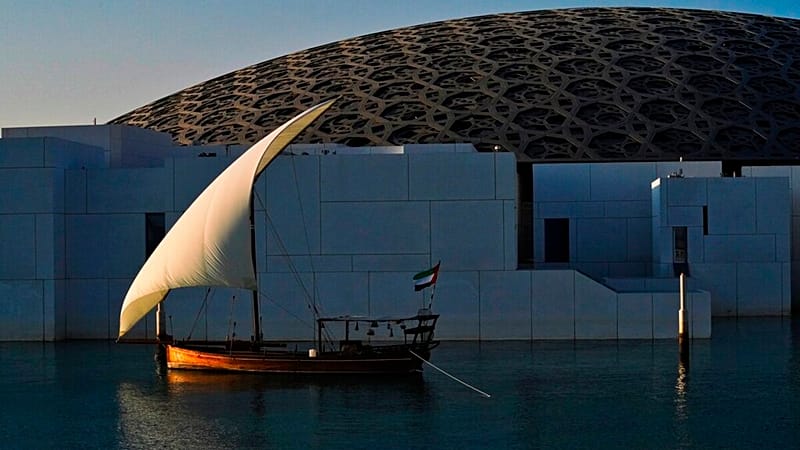
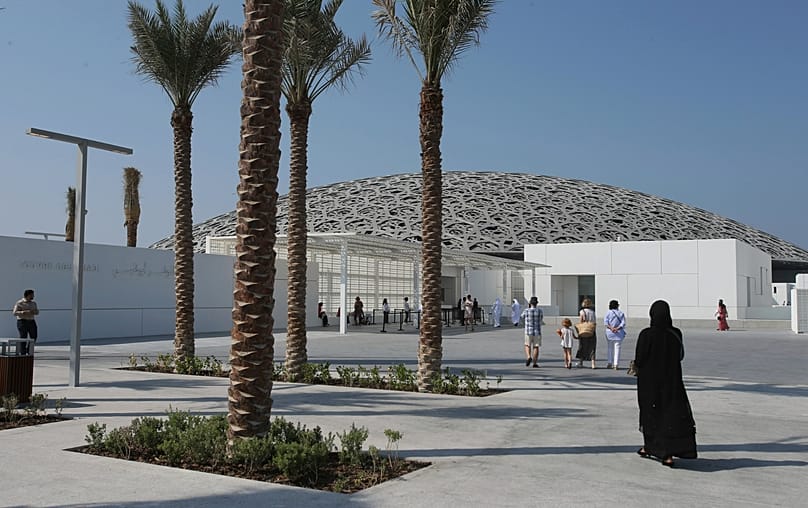
Despite the heightened tensions, the Louvre Abu Dhabi, which opened in the United Arab Emirates in 2017, has remained unscathed. The museum continues to operate and has made it clear that “the safety of our visitors, our staff, and our collections (both in-house and on loan) remains our top priority.” However, this assurance has not fully quelled concerns in France, where officials and cultural experts are closely monitoring the situation.
Didier Selles, who played a key role in negotiating the initial agreement between France and the UAE, has expressed worries about the potential risks to the artworks. He told Télérama magazine that the artefacts are now under threat following the outbreak of war between Israel and Iran. Similarly, La Tribune de l’Art echoed these sentiments, stating, “The Louvre’s works in Abu Dhabi must be kept safe!”
France’s Culture Ministry has attempted to reassure critics by emphasizing its close communication with UAE authorities to ensure the protection of the works on loan. The ministry has stated that it is working closely with the UAE to safeguard the collection, which includes some of the most iconic pieces from French public institutions.
The Financial and Cultural Agreement Between France and the UAE
Under the terms of the original agreement signed with the UAE, France committed to providing expertise, lending works of art, and organizing exhibitions in exchange for €1 billion ($1.1 billion), including €400 million for the exclusive use of the “Louvre” name. This historic deal was extended in 2021 for an additional ten years, until 2047, with an extra €165 million added to the funding.
France Musées, the international consultancy responsible for the development of the Louvre Abu Dhabi, has indicated that in addition to the 600 works in the museum’s permanent collection, approximately 250 works are currently on loan from France. However, the details of these loans remain shrouded in secrecy.
None of the French institutions involved, including the Louvre, Versailles, Beaubourg, and Orsay, have disclosed which specific paintings or sculptures are on loan to Abu Dhabi as part of a partnership valued at €190 million over ten years. All refer to France Musées, the private-sector body supporting the development of the Louvre Abu Dhabi, which confirms that 250 works are on loan but refuses to provide further information.
When the Louvre Abu Dhabi first opened in 2017, 300 works were on loan from France, including masterpieces by Leonardo da Vinci, Monet, Van Gogh, and Warhol, as well as a statue of Ramses II. According to the Louvre’s website, it entrusts “100 masterpieces from its collections” to Abu Dhabi each year.
Secrecy and Security Concerns
A source close to the matter, speaking on condition of anonymity to AFP, has suggested that there is no immediate danger to the collection. They emphasized that the museum is designed to protect its contents from security threats and natural disasters. However, the source also noted that repatriating the artworks would come with its own set of risks.
This uncertainty highlights the delicate balance between cultural diplomacy and the practical challenges of protecting valuable art in times of geopolitical instability. As the conflict in the Middle East continues, the fate of these masterpieces remains a topic of intense interest and concern for both French and Emirati officials.