The 10 Planes That Shaped World War II
The Role of Aeronautical Engineering in World War II
Aeronautical engineering played a crucial role during the six years of World War II. This period was marked by a fierce technological race, where advancements in aircraft design could significantly impact the outcome of battles. The skies were filled with powerful machines, and the right aircraft at the right time often determined the success of military operations. Bombers targeted cities, fighters engaged in intense aerial combat, and various other roles were critical to the Allied victory.
While it’s challenging to rank these aircraft in a top 10 list, each contributed uniquely to the war effort. Many other aircraft that didn’t make the cut could also be considered for inclusion.
10: Boeing B-29 Superfortress
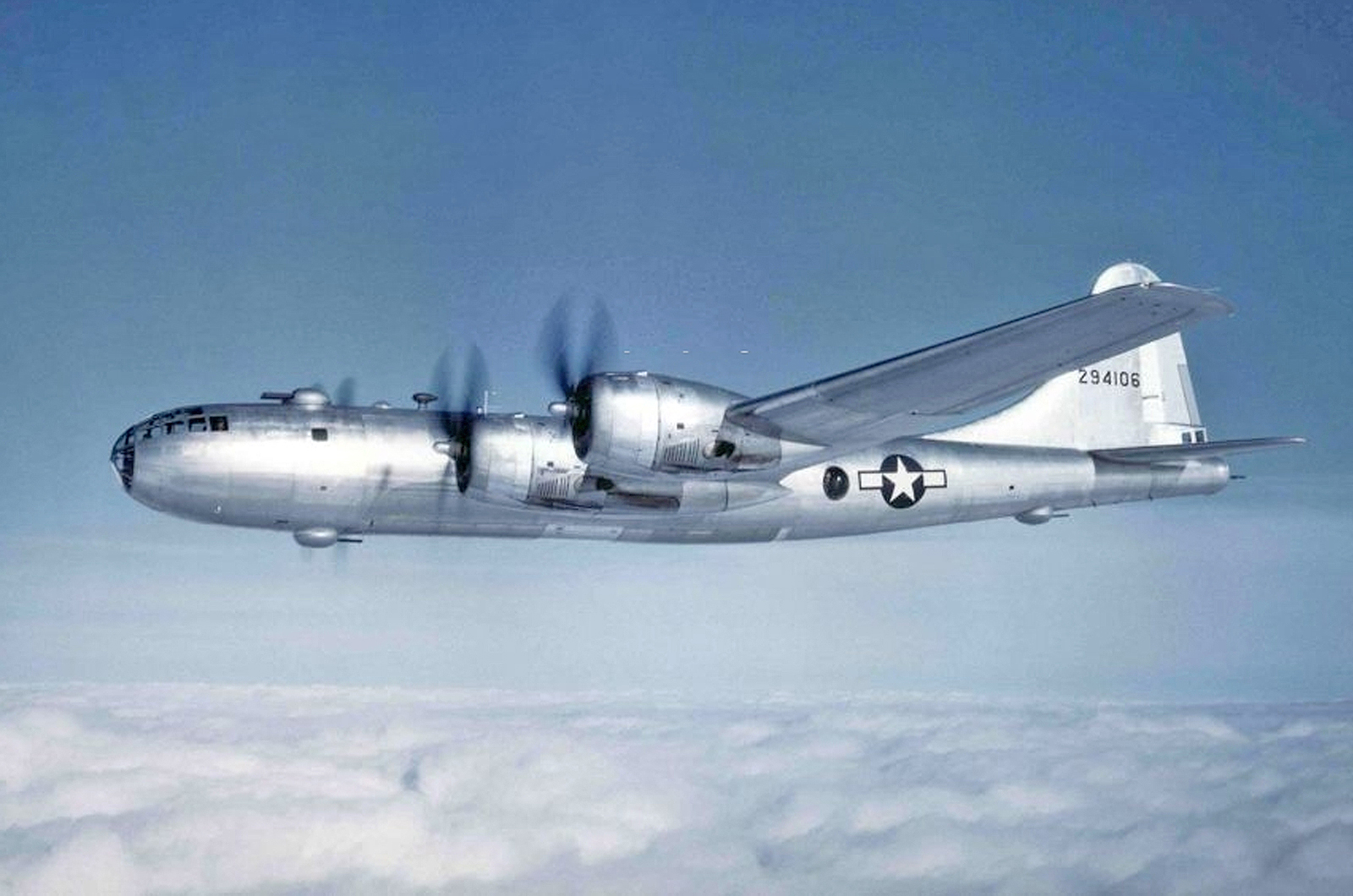
The Boeing B-29 Superfortress was the most technologically advanced piston-engined aircraft of its time. It was a long-range strategic bomber used primarily in the Pacific Theatre. The B-29 featured innovative construction methods, defensive systems, and pressurization for crew comfort. With nearly double the horsepower of the earlier B-17 Flying Fortress, it was a formidable aircraft.
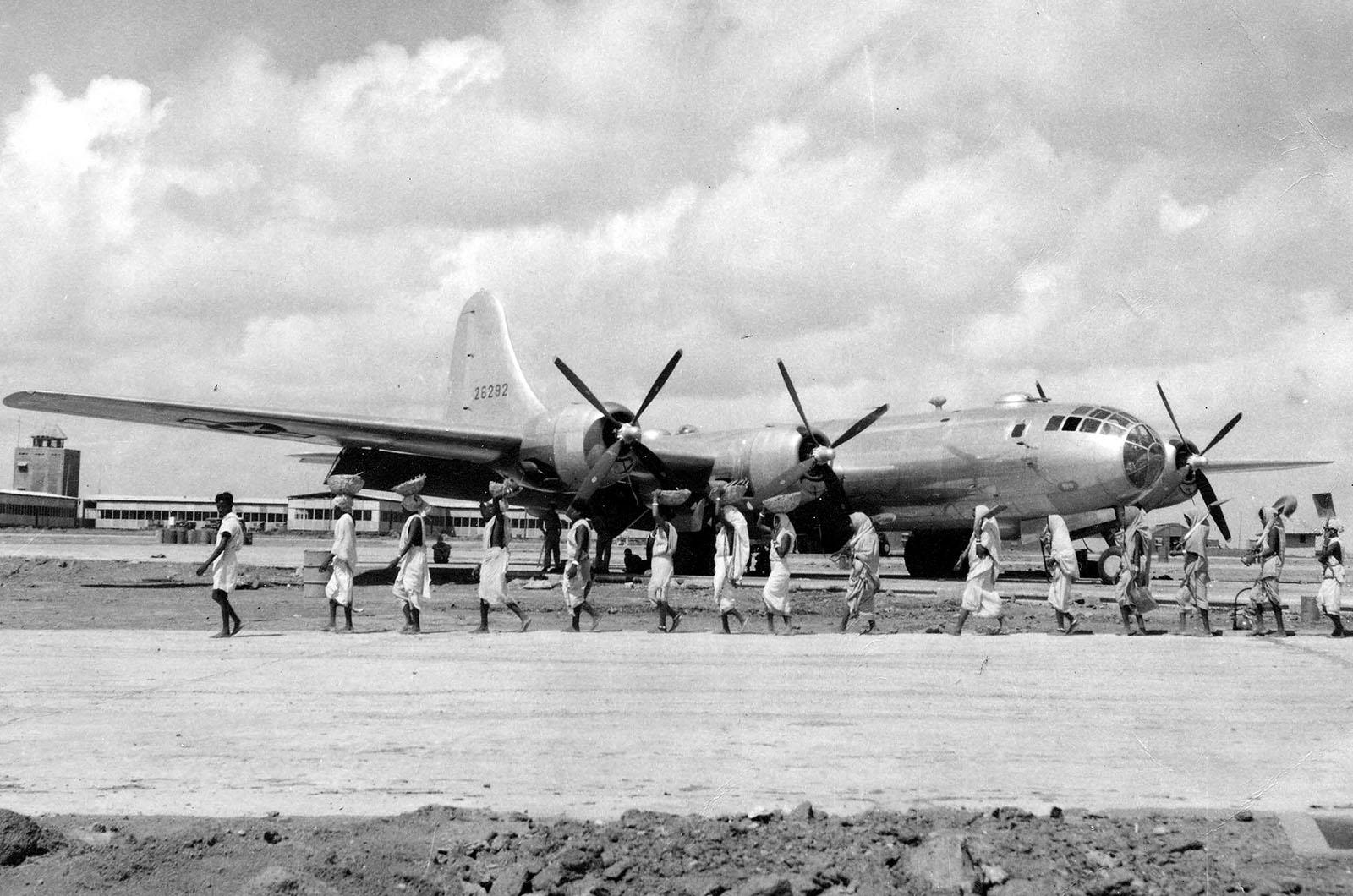
The B-29 was instrumental in dropping atomic bombs on Nagasaki and Hiroshima, which some historians argue ended the war and saved lives. However, the debate over this claim continues. The B-29 also conducted devastating conventional bombing raids, such as the fire-bomb attacks on Tokyo in March 1945. Although it entered service in May 1944, it was expensive to develop and produced over 3,000 units by the end of the war.
9: Hawker Hurricane
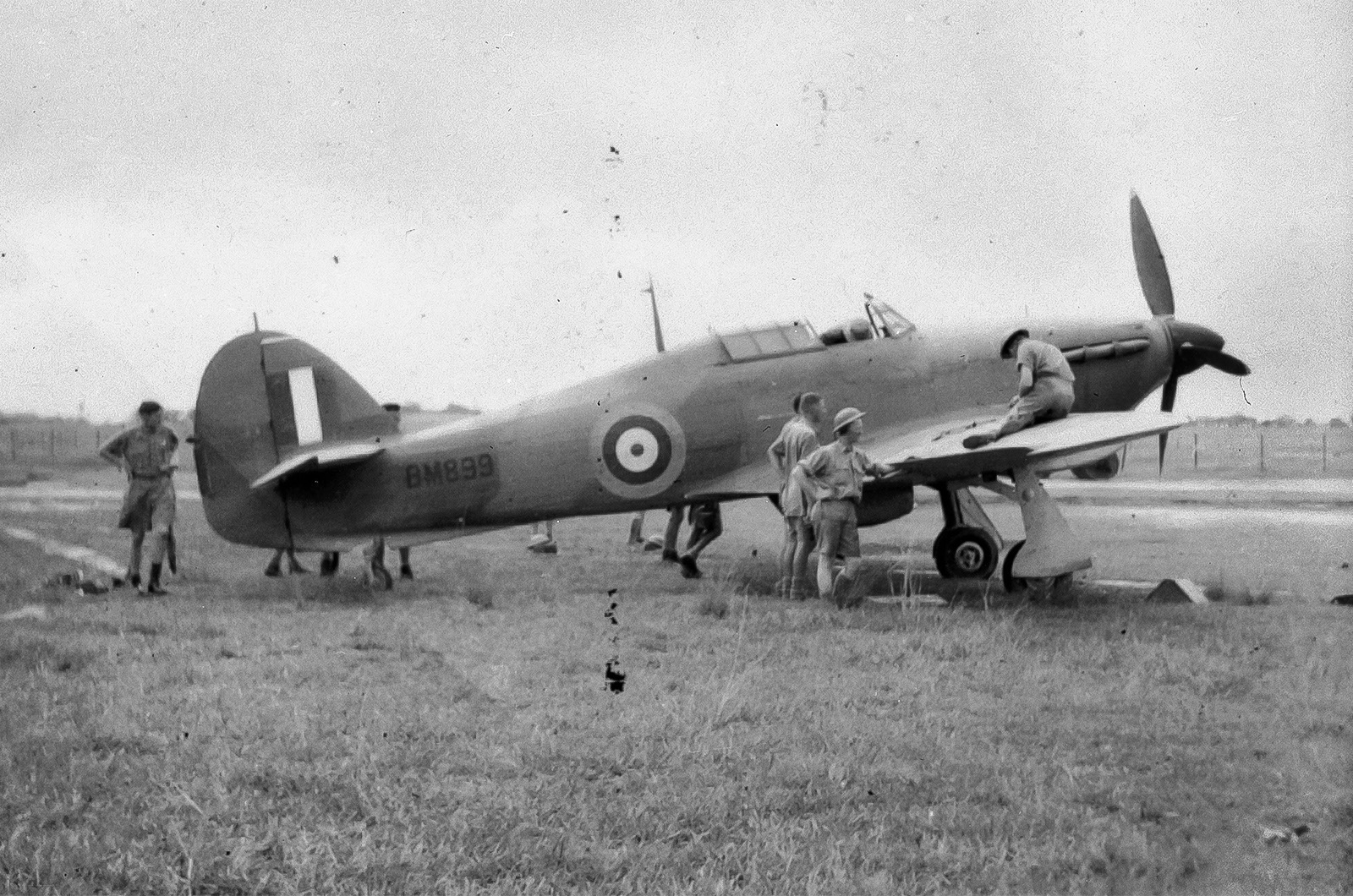
The Hawker Hurricane was a robust British fighter designed by Sydney Camm. It was the first RAF aircraft to exceed 300 mph and combined old and new construction techniques. The Hurricane formed the bulk of the RAF’s fighter force until 1941 and played a key role in the Battle of Britain, accounting for over 60% of air victories.
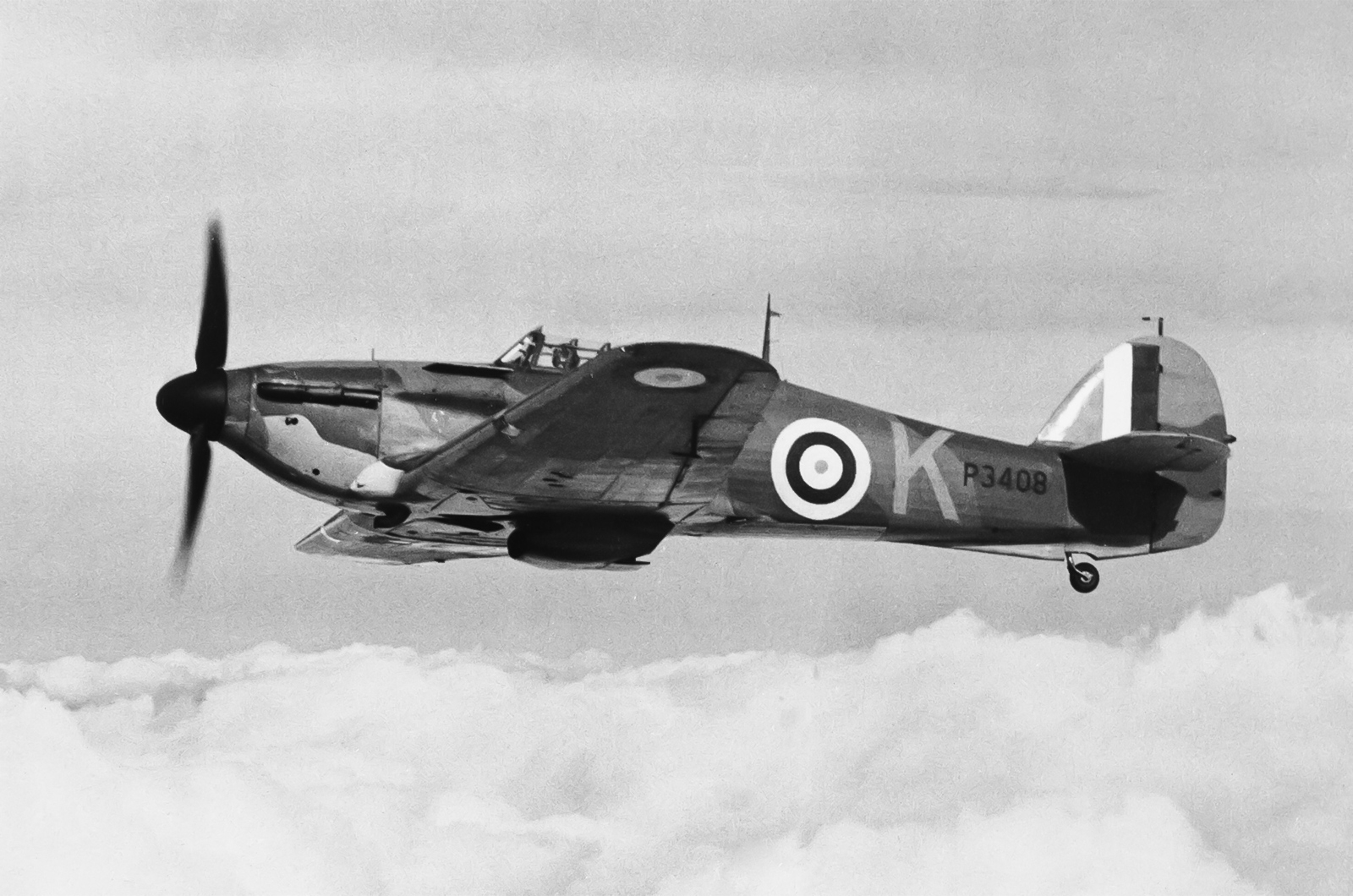
In August 1942, 70 Sea Hurricanes defended a vital convoy heading to Malta against a large number of Axis attackers. The Hurricane also served with distinction in Asia, Africa, and the USSR. The RAF and Commonwealth Hurricanes claimed a total of 4,540 aerial victories, second only to the Spitfire. A total of 14,487 Hurricanes were produced in the UK and Canada.
8: North American T-6 Texan/ Harvard
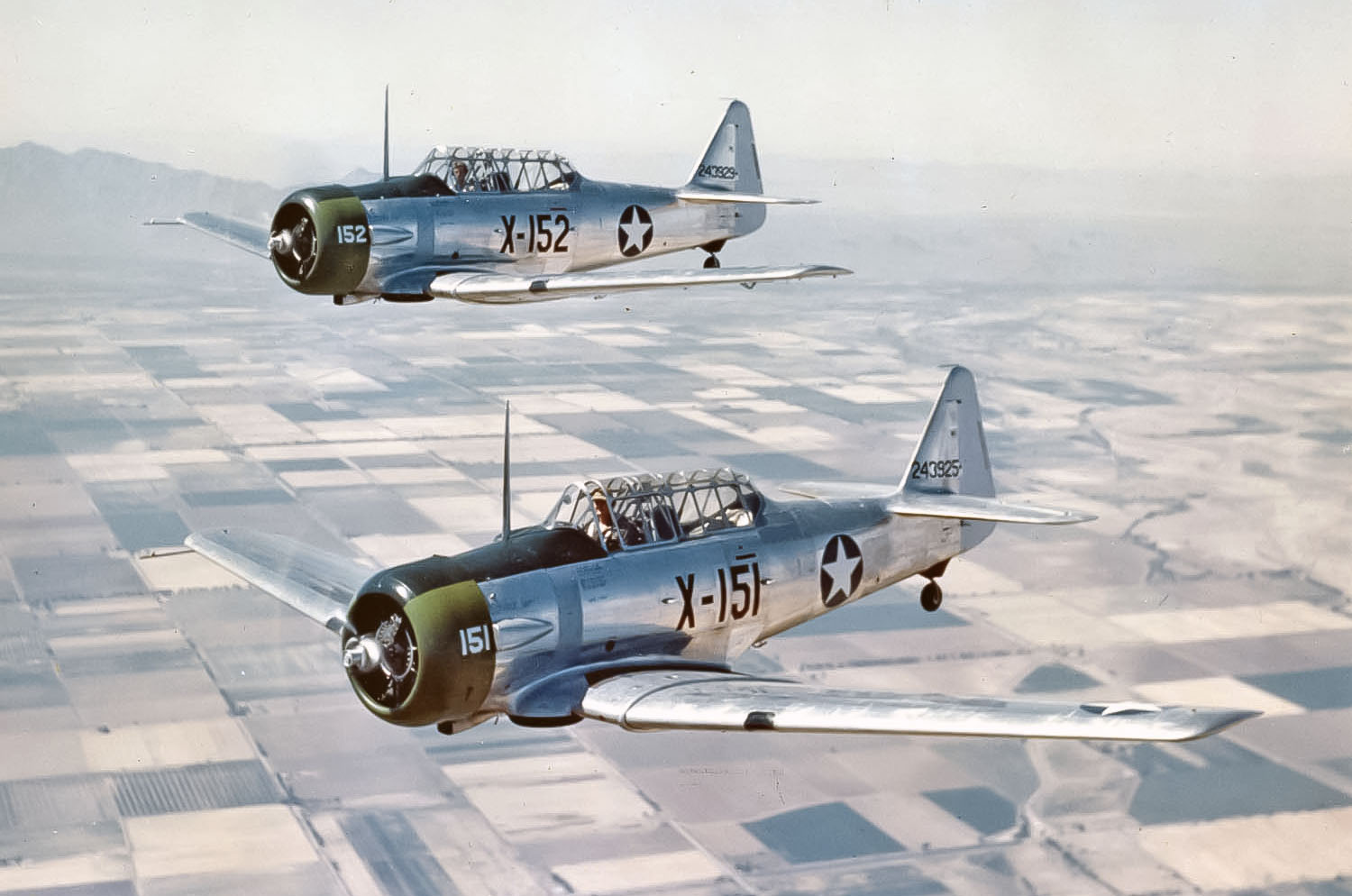
Pilot training was essential for air power, and the North American T-6 Texan/ Harvard played a significant role in this. With a 500-horsepower radial engine, it was used to train pilots from the USAAF, US Navy, and RAF. The T-6 was crucial in the Commonwealth Air Training Plan, which trained over 75,000 pilots. A total of 15,495 T-6 aircraft were built.
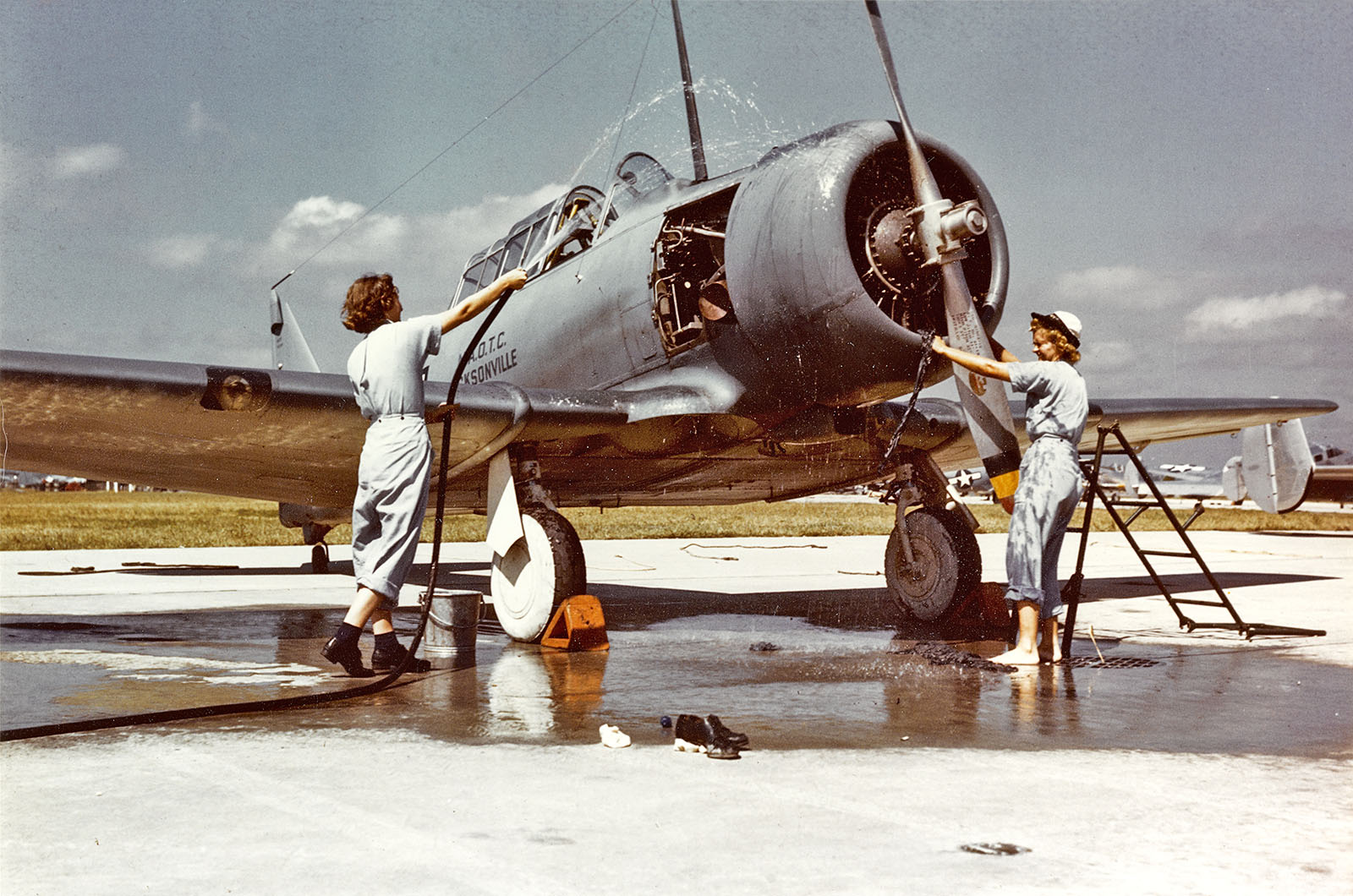
Some early RAF Harvards were delivered to the UK, but due to the threat of Luftwaffe intruders, many training units were moved to Canada, Southern Rhodesia, and the US. This allowed the UK to focus on frontline aircraft. The T-6’s role in training pilots was vital to the Allies’ success.
7: Grumman F6F Hellcat
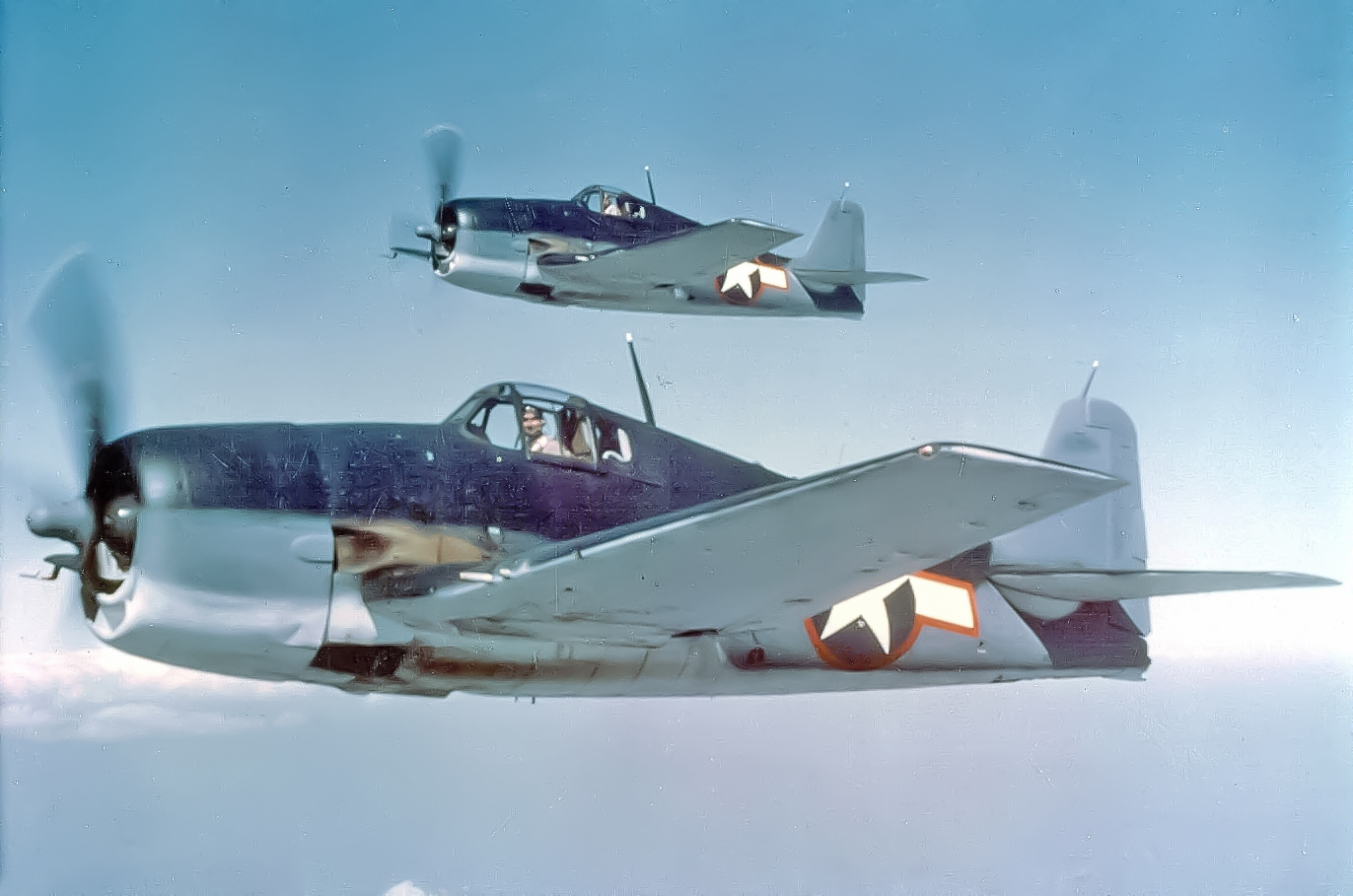
The Grumman F6F Hellcat was a naval fighter that played a pivotal role in defeating the Japanese. It outperformed the Mitsubishi Zero in speed, armament, and armor. The Hellcat had six 0.50 calibre machine guns and achieved a high rate of victory against Japanese aircraft. A total of 12,275 Hellcats were built, with only two production versions.
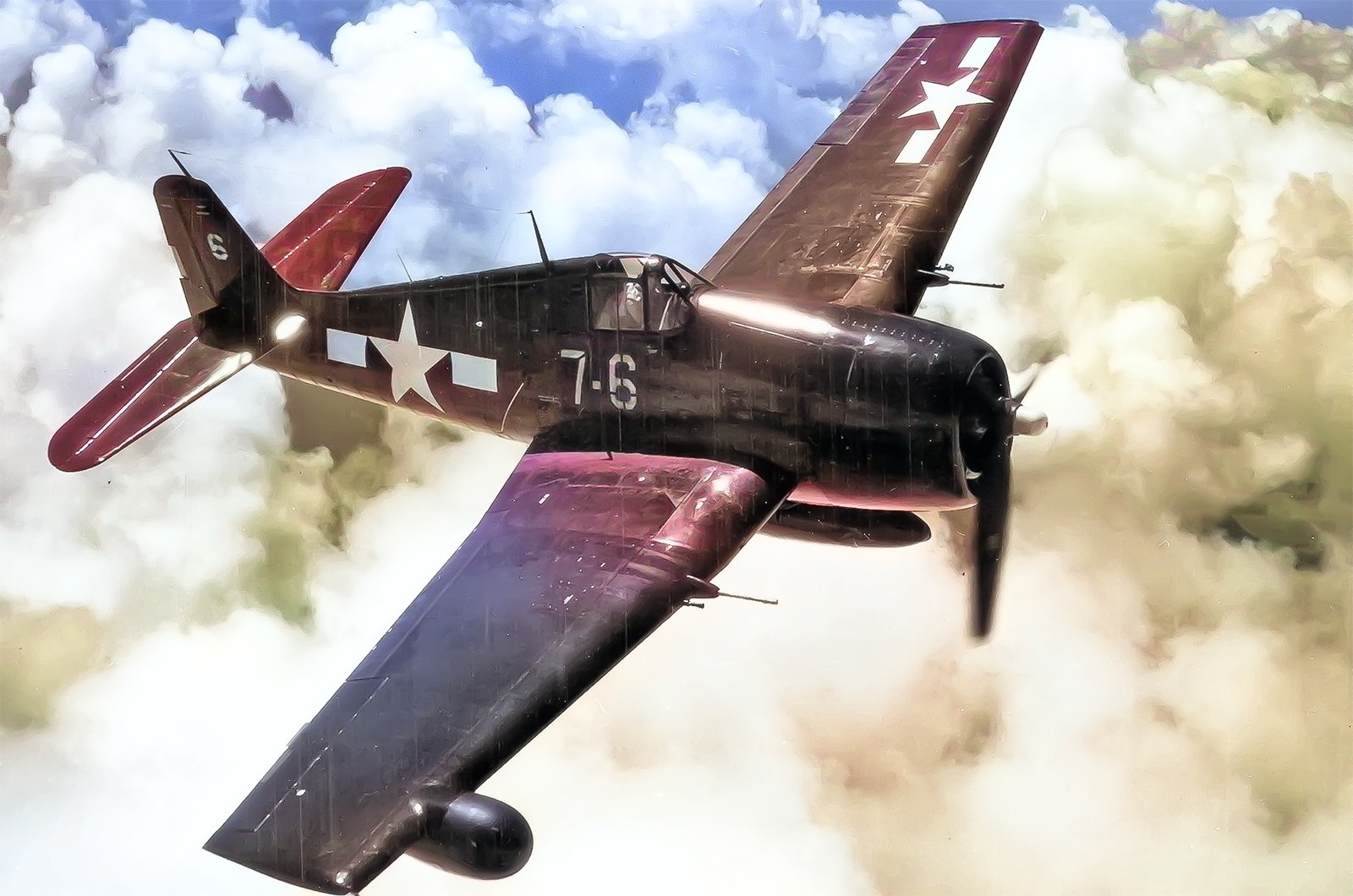
The Hellcat was more likely to shoot down enemy aircraft, survive damage, and land safely. Its versatility and effectiveness made it one of the most successful fighters of the war. The Hellcat’s design was so effective that only two basic marks were produced, and all were built in one factory.
6: Douglas SBD Dauntless
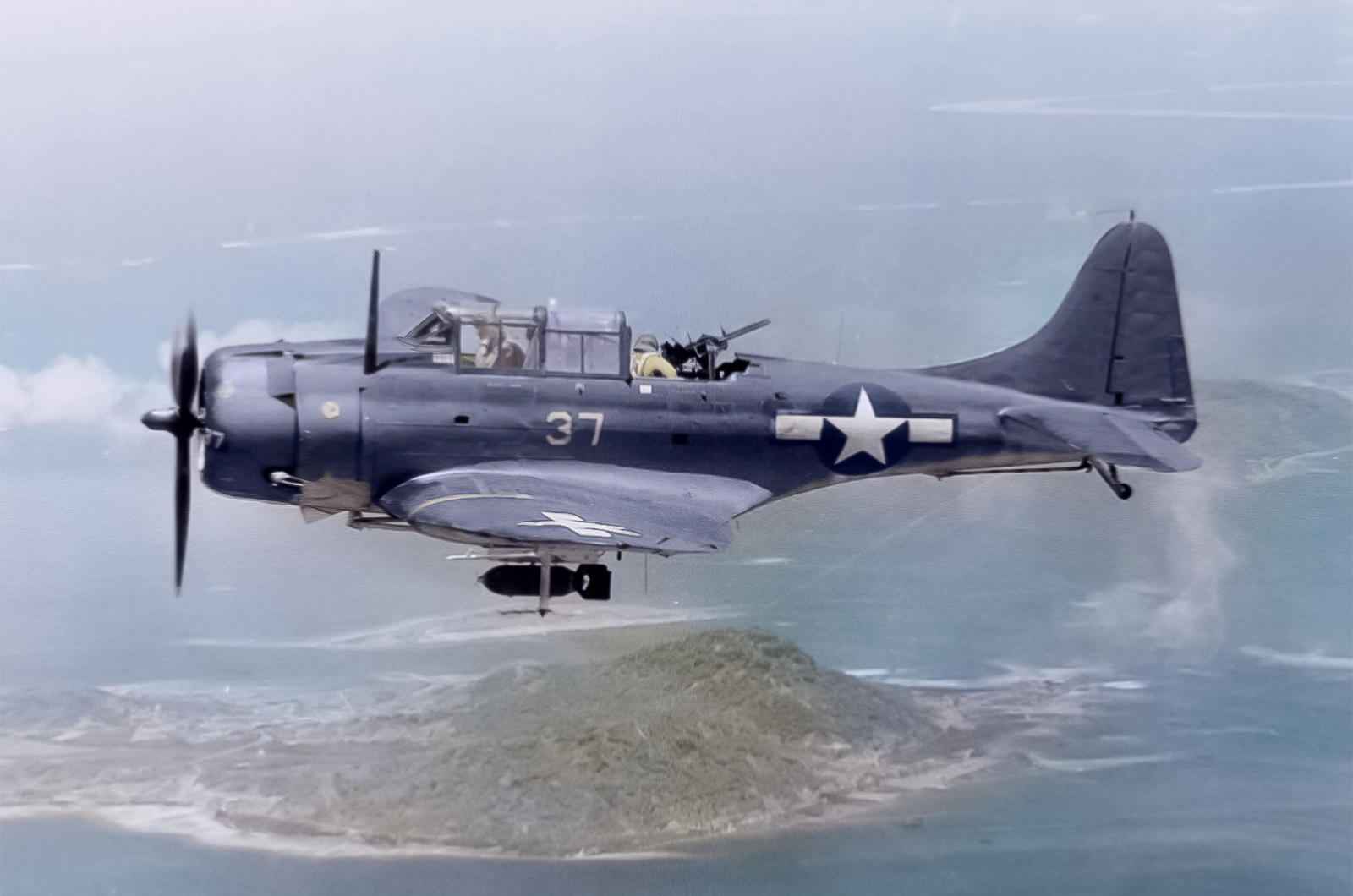
Ed Heinemann designed the Douglas SBD Dauntless, which turned the tide of the Pacific War. At the Battle of Midway in June 1942, the Dauntless damaged all four Japanese fleet carriers, effectively winning the Pacific War. Despite being present in harrowing moments like Midway, the SBD had the lowest crew loss rate of any US carrier aircraft.
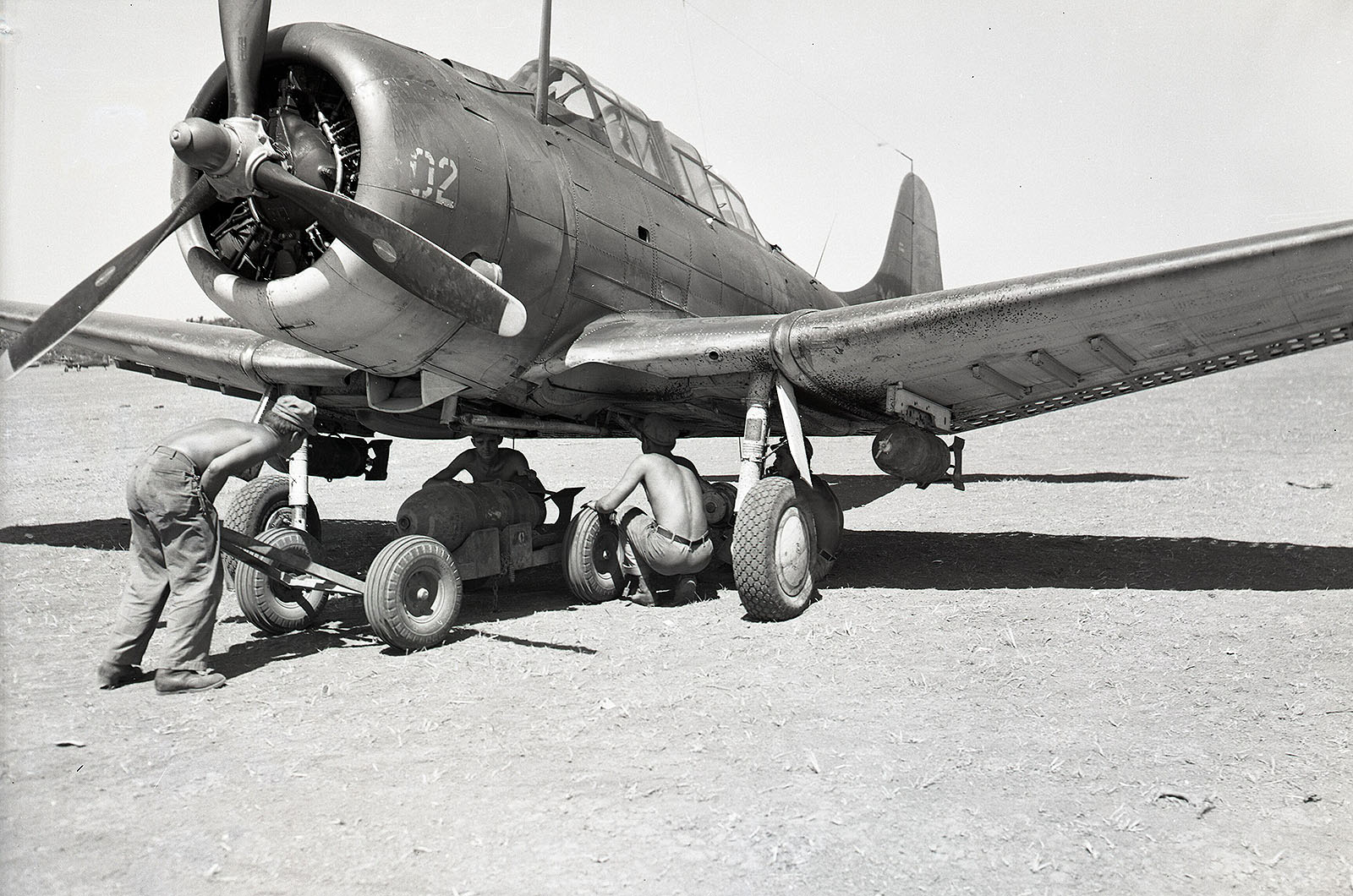
The Dauntless was crucial in the Pacific, and although the Curtiss Helldiver may have sunk more ships, the Dauntless did the job when it mattered most. Its contributions were vital to the Allied victory in the Pacific.
5: Consolidated B-24 Liberator
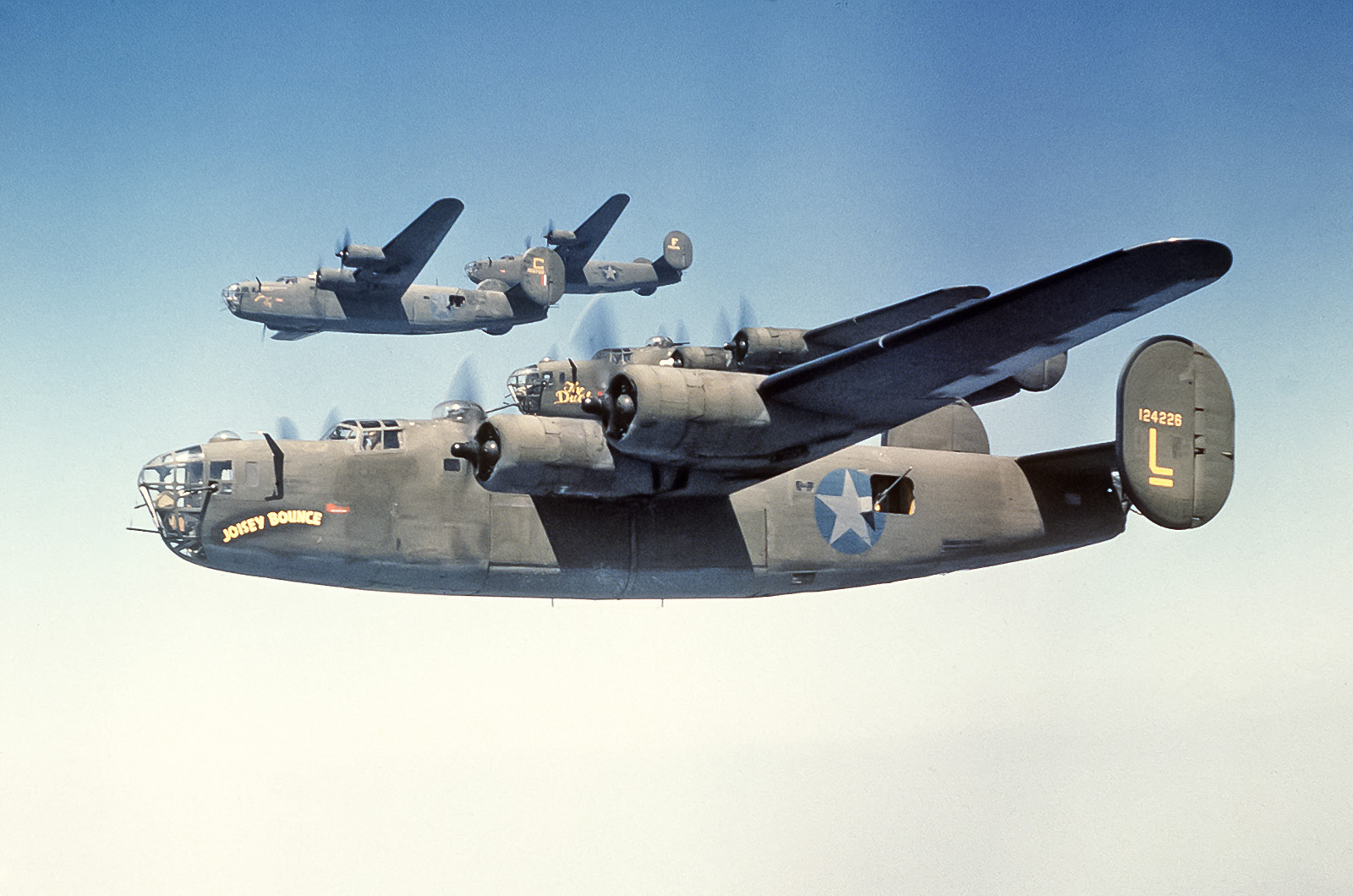
The Consolidated B-24 Liberator was the most versatile heavy aircraft of WWII, produced in greater numbers than any other bomber. With 18,000 units, it was a massive four-engine bomber. The B-24 played a key role in the Battle of the Atlantic, combating German U-boats. It was also used in the Western European, Pacific, Mediterranean, and China-Burma-India theatres.
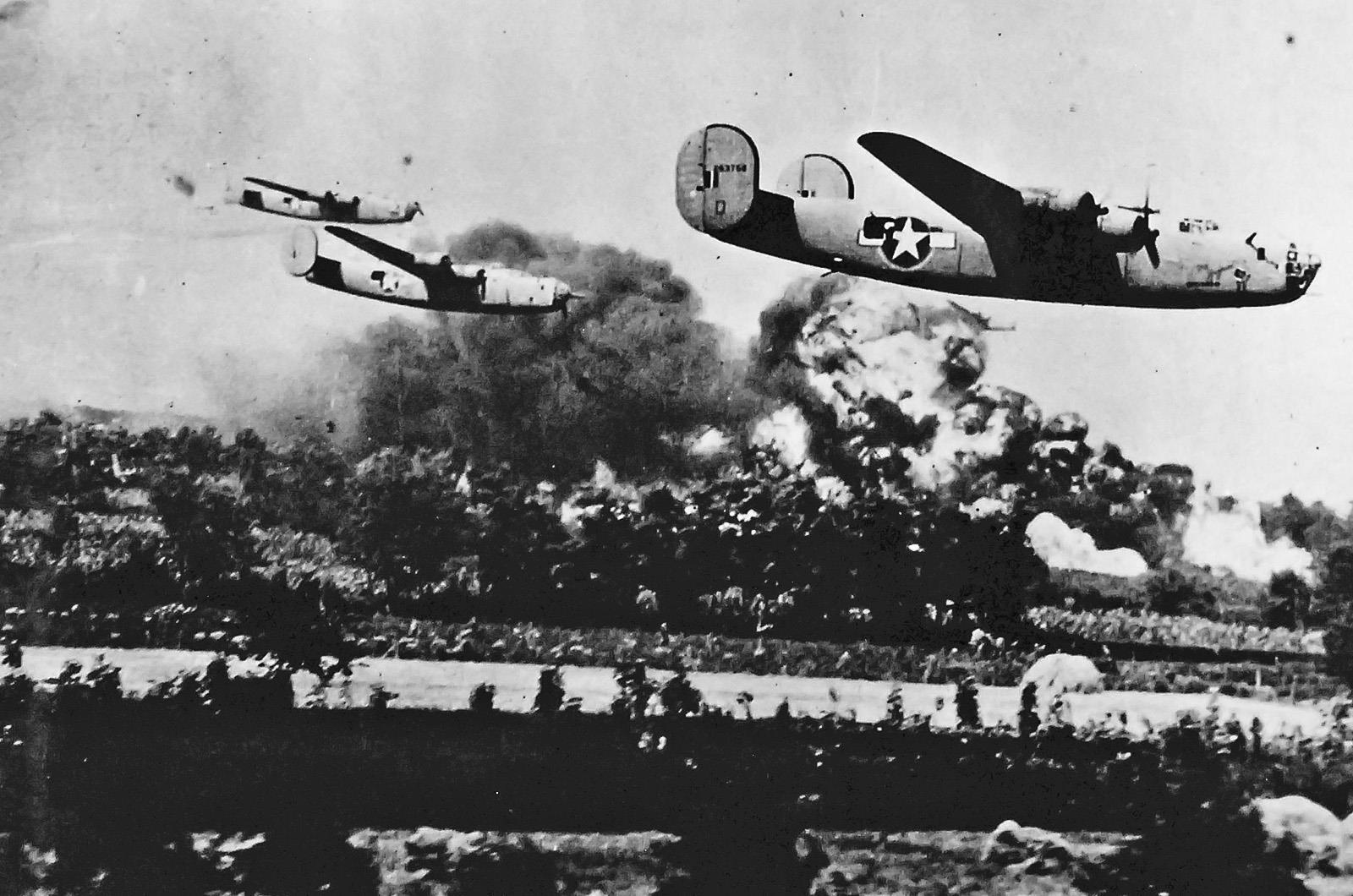
The B-24 served in various roles, including long-range reconnaissance, troop transport, anti-submarine warfare, and electronic jamming. It was involved in the ill-fated Operation Tidal Wave, where it suffered heavy casualties. Its long-range capabilities made it suitable for over-water missions attacking Japan.
4: Ilyushin IL-2 ‘Shturmovik’
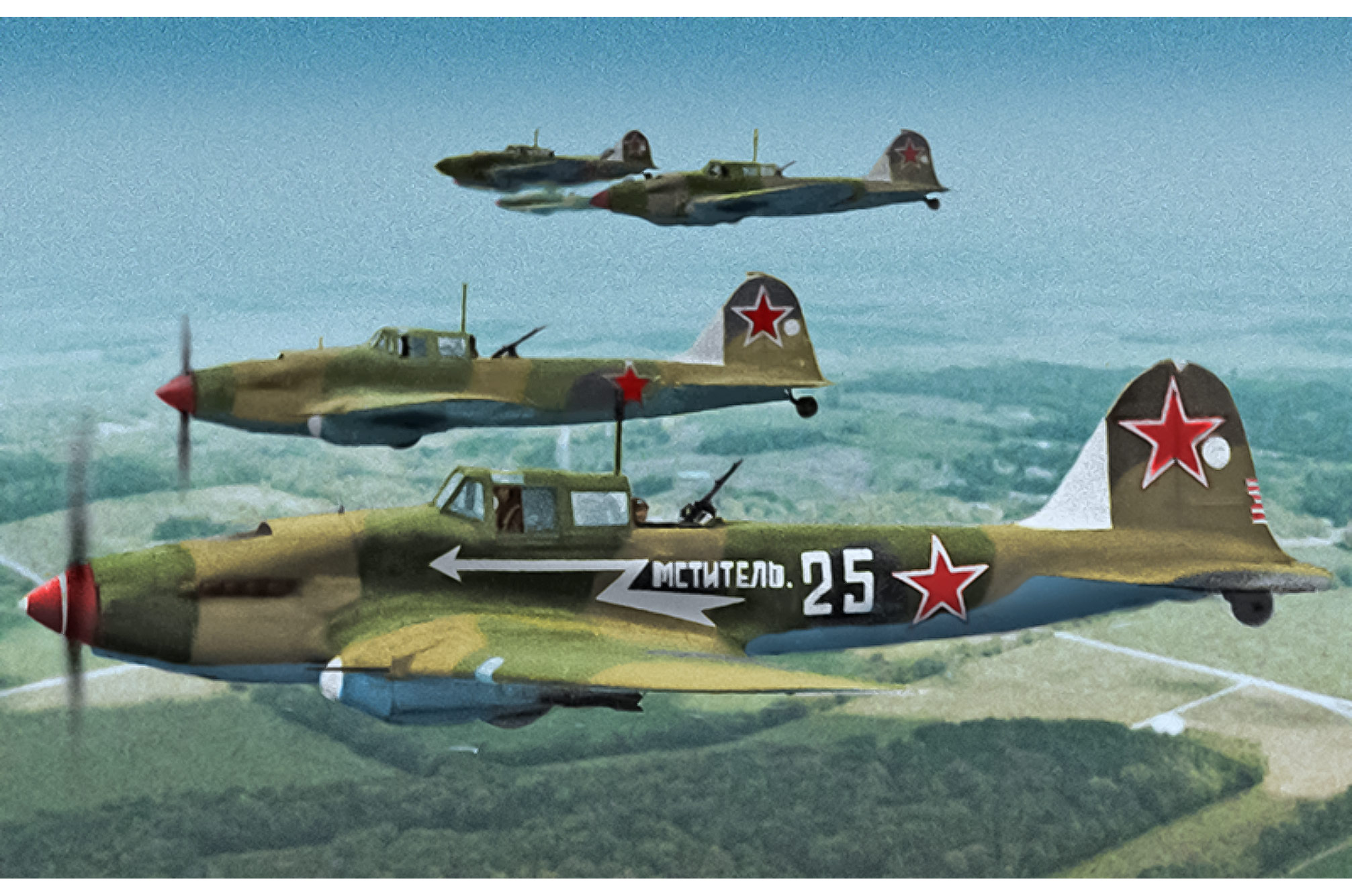
The Ilyushin IL-2 was the original tank-killer, devastating German mechanized columns and frustrating Luftwaffe aces. Stalin emphasized its importance, stating that the Red Army needed it like air and bread. The IL-2 was known as “The Flying Tank” due to its resilience and effectiveness.
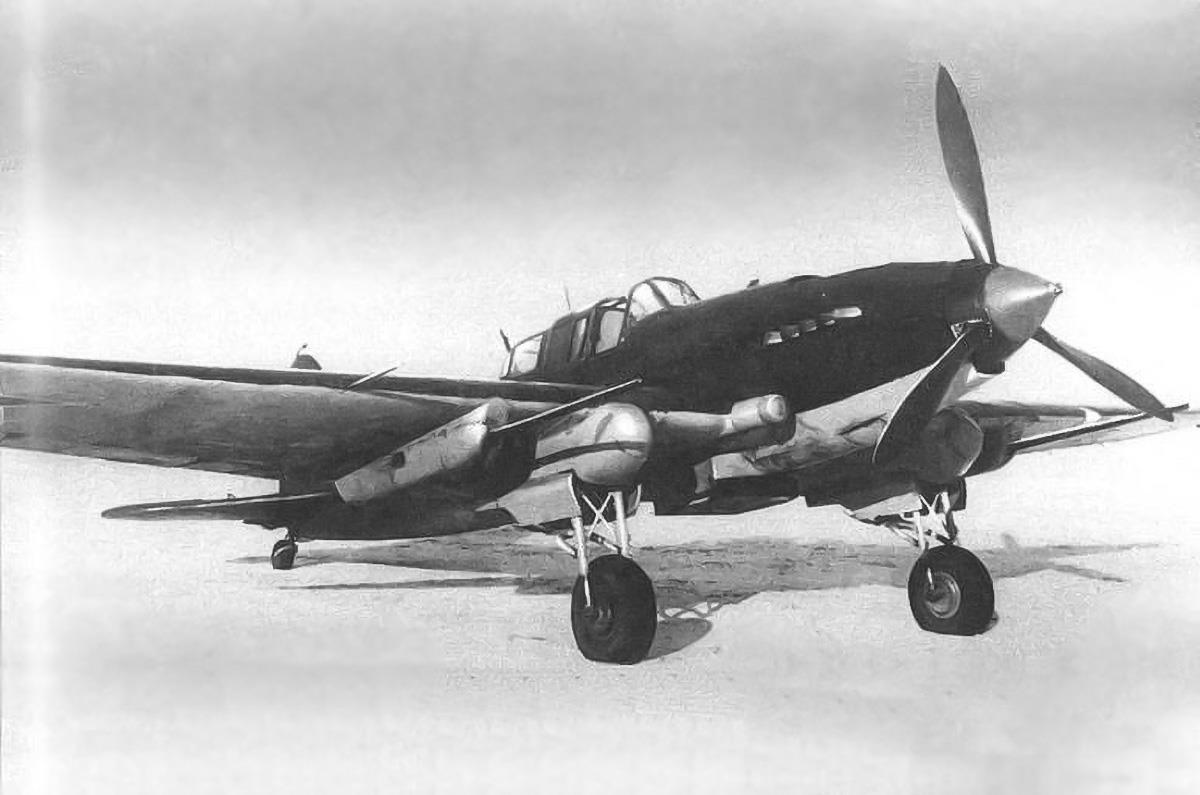
The IL-2 had a significant impact on the Eastern Front, disrupting German war efforts and contributing to the Red Army’s success. Over 36,000 IL-2s were produced, making it the most prolifically produced warplane in history. Its role in altering the course of the war cannot be overstated.
3: Supermarine Spitfire
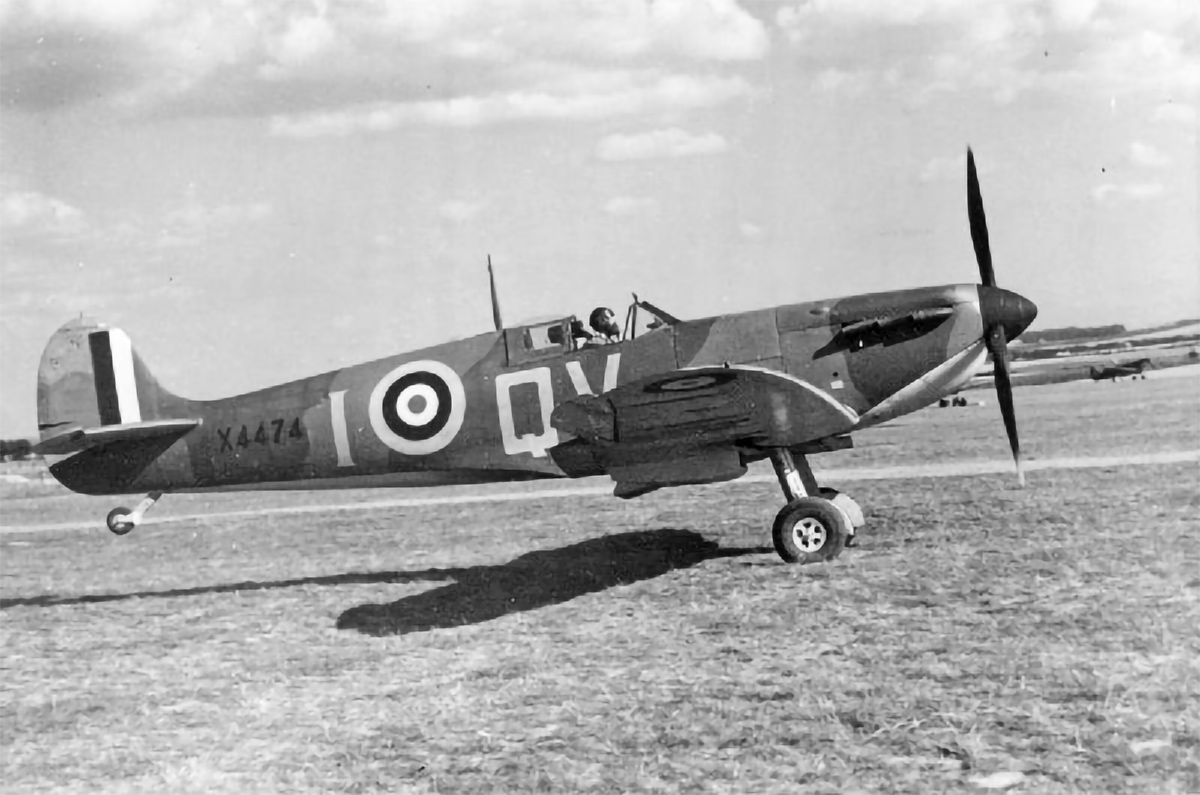
The Supermarine Spitfire was vital to the Battle of Britain in 1940, helping Britain withstand the German Luftwaffe’s attempts to invade. Its agility and performance made it a key factor in the battle’s outcome. The Spitfire was never utterly outclassed throughout the war, and its absence often led to disasters.
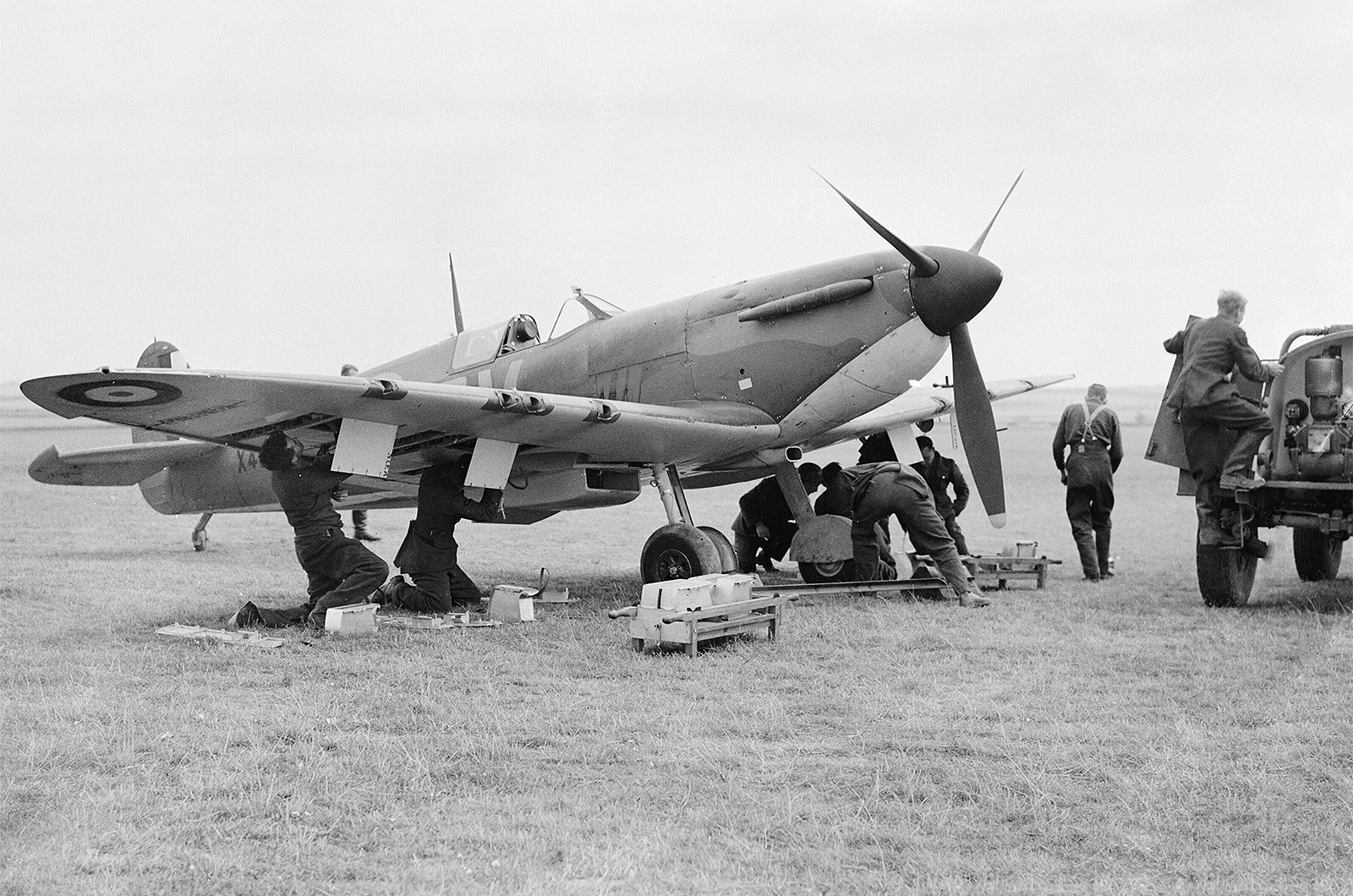
The Spitfire was not only a superb fighter but also a leading reconnaissance aircraft. Its psychological impact was significant, as its beauty became a symbol of hope. The Spitfire is likely the fighter with the most Axis victories, with 5,950 victories (RAF and Commonwealth alone).
2: North American P-51 Mustang
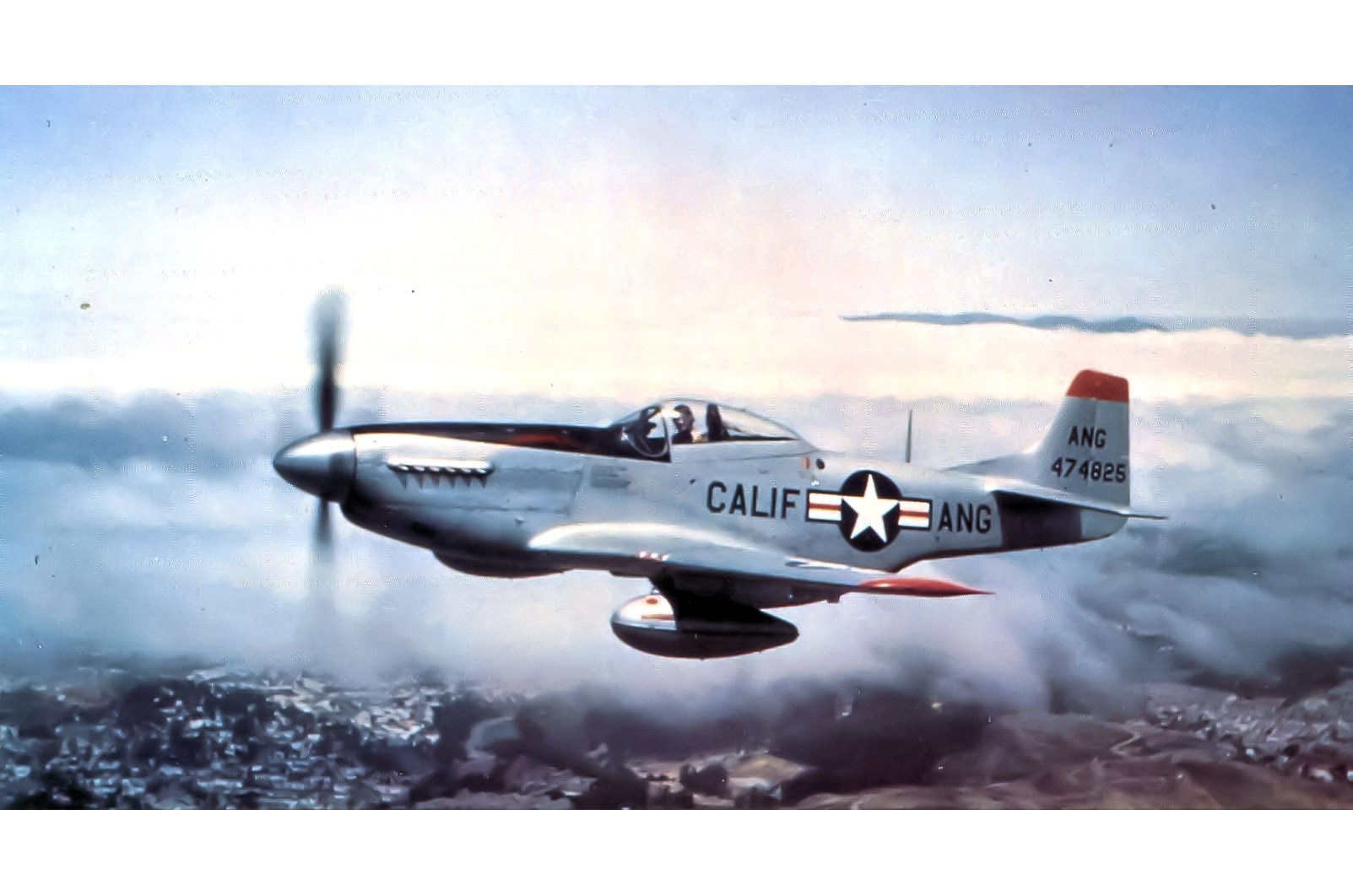
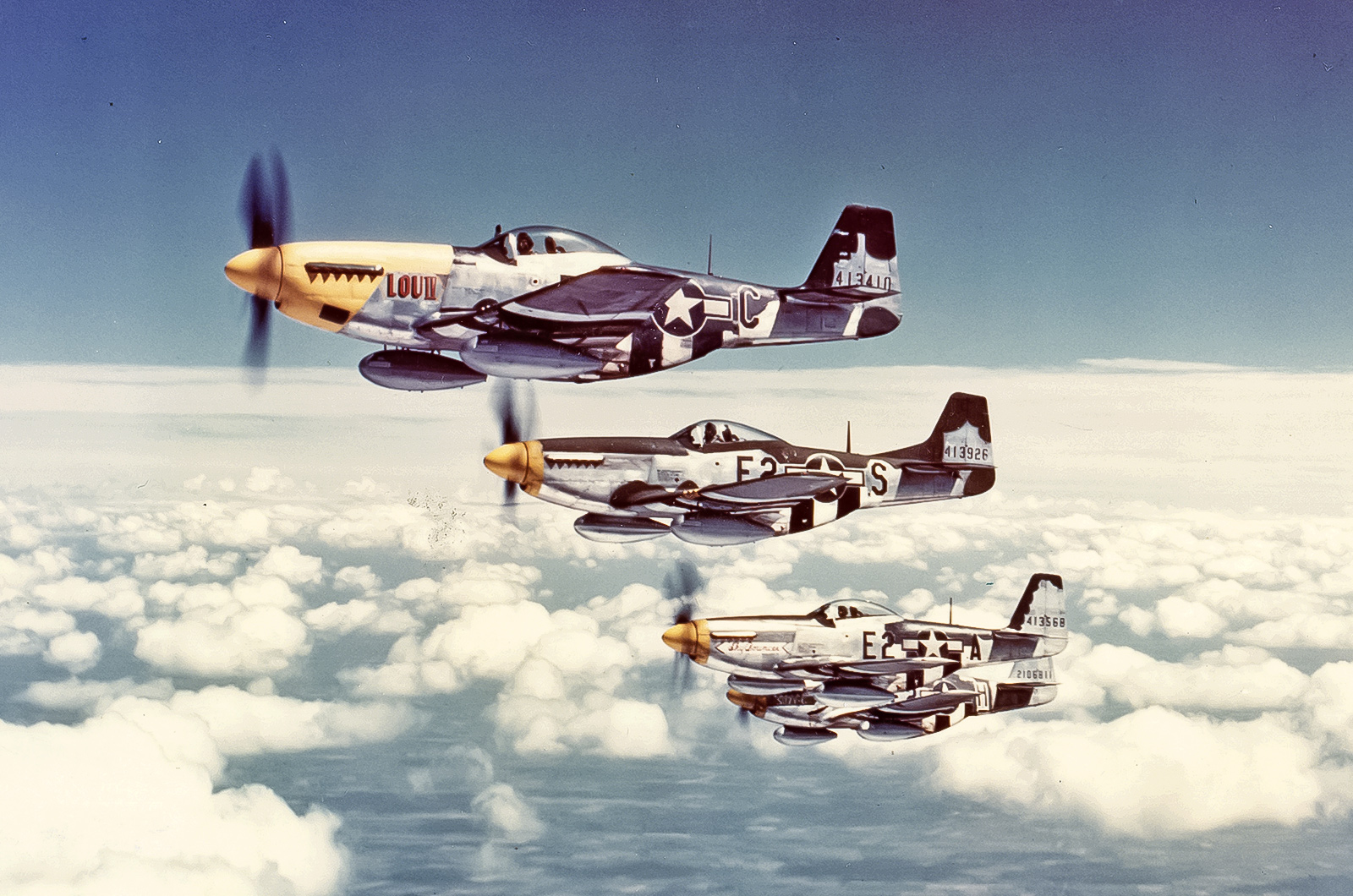
The North American P-51 Mustang was a highly capable fighter that excelled in range, speed, and maneuverability. Pairing a clean aerodynamic airframe with the Rolls-Royce Merlin engine made it a superior fighter at any altitude. The Mustang could escort bombers from the UK to Berlin, significantly increasing their survival rates.
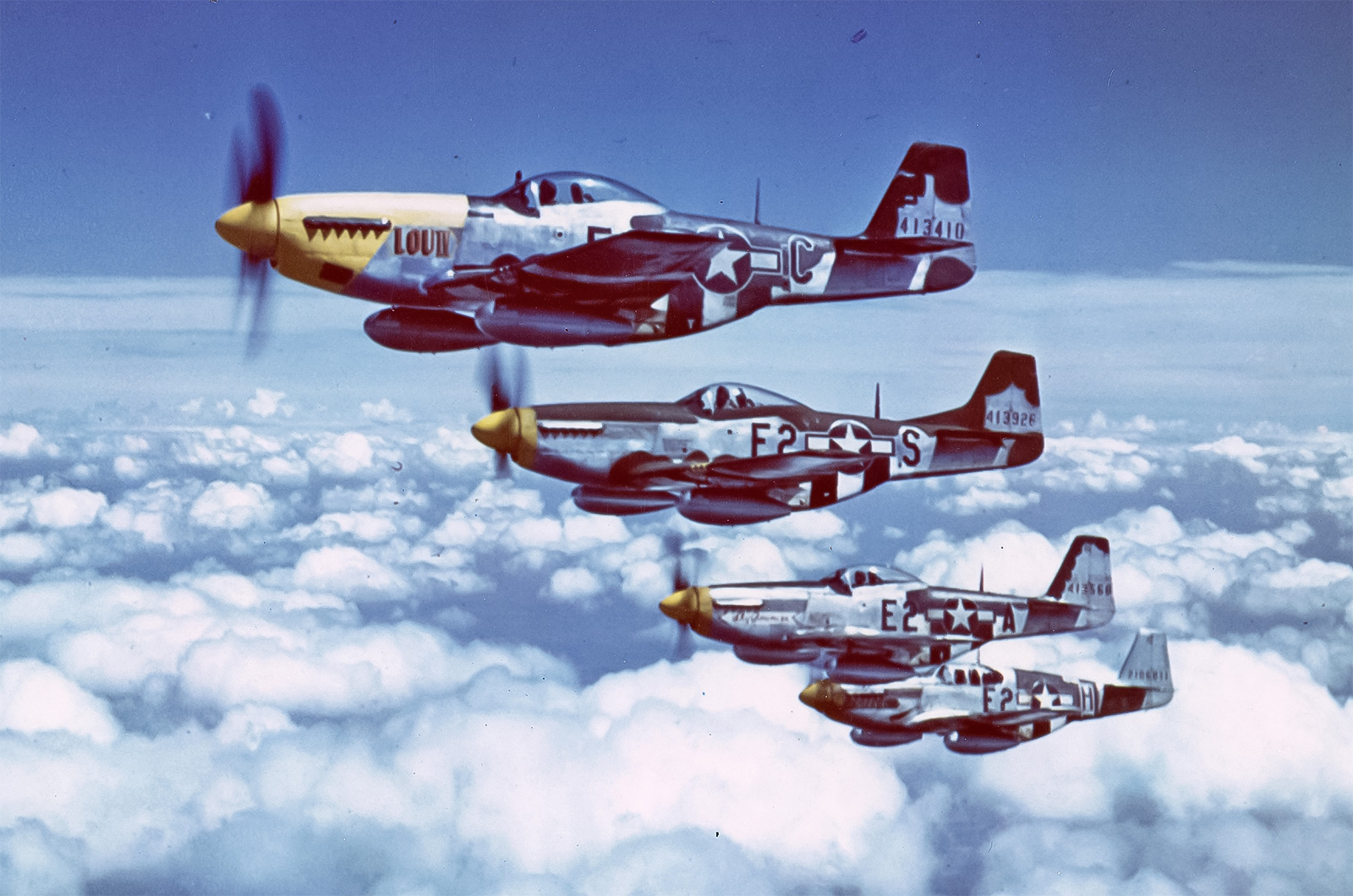
The Mustang was cheaper and easier to build than the P-47 Thunderbolt or P-38, and it was designed for efficient mass production. It destroyed around 5,784 Axis aircraft and was pivotal in gaining air superiority. Over 15,000 Mustangs were built, and it performed ground attack and tactical reconnaissance missions.
1: Douglas C-47 Skytrain/Dakota
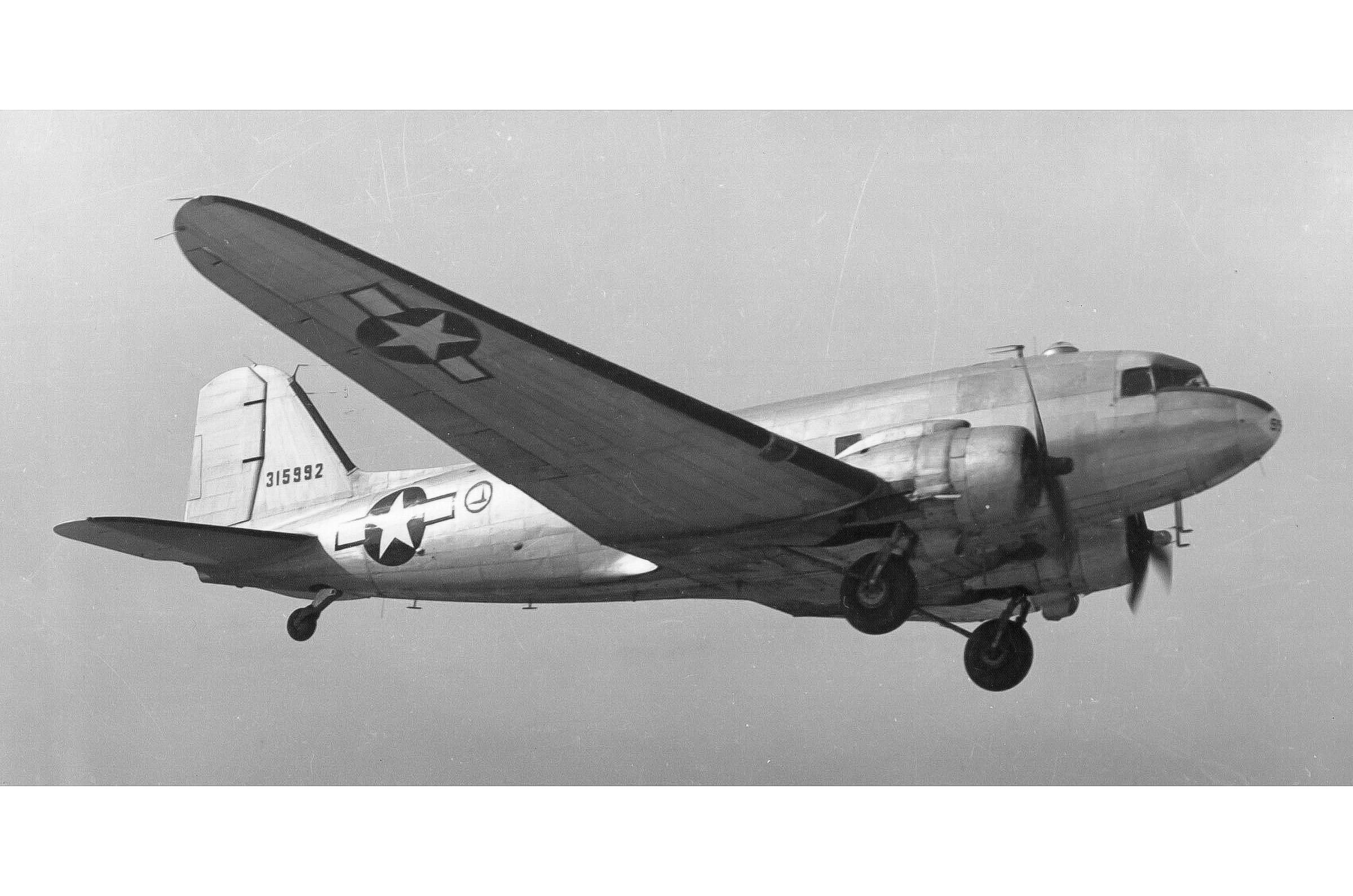
US General Dwight D. Eisenhower described the C-47 as one of four tools that won the war for the Allies. The C-47 was a military transport version of the DC-3, used for delivering paratroopers, transporting cargo, and towing gliders. It played a crucial role in airborne operations worldwide.
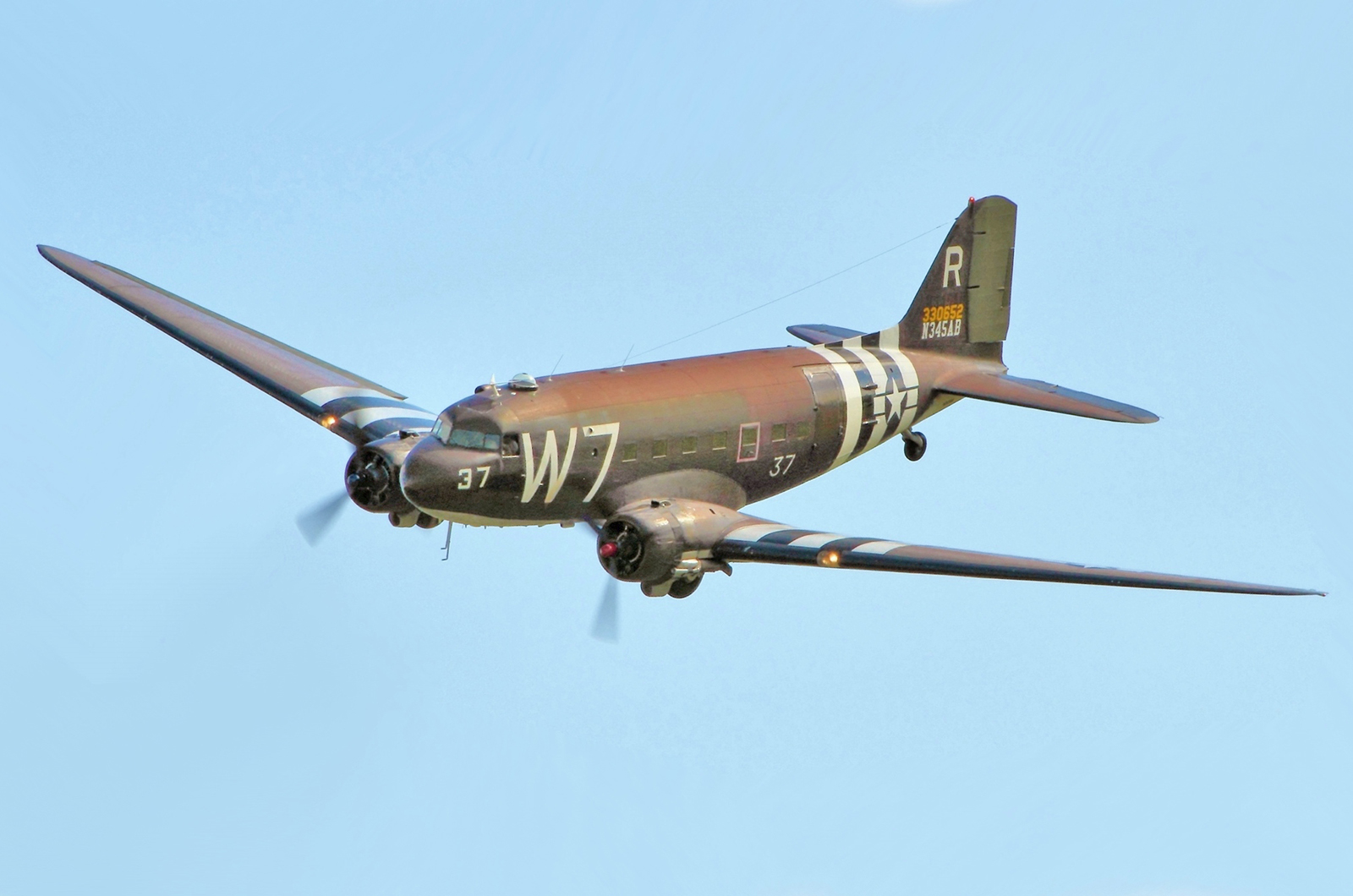
The C-47 was reliable and tough, with 10,048 units produced by the end of the war. Its contributions to the Allied victory cannot be overstated, as it was essential in many operations, including Arnhem, Burma, Normandy, Sicily, and the crossing of the Rhine.