U.S. ‘steadily destroying’ Iran’s ‘most essential’ war tools: Report
Overview of Operation Epic Fury
Operation Epic Fury, a joint military operation between the United States and Israel, has shown promising results according to a recent assessment by the Institute for the Study of War (ISW). The report highlights that the operation has been “relatively positive” in terms of progress, with significant damage inflicted on Iran’s military capabilities. However, it also emphasizes that more time is needed for the operation to fully achieve its objectives.
Military Progress and Strategic Impact
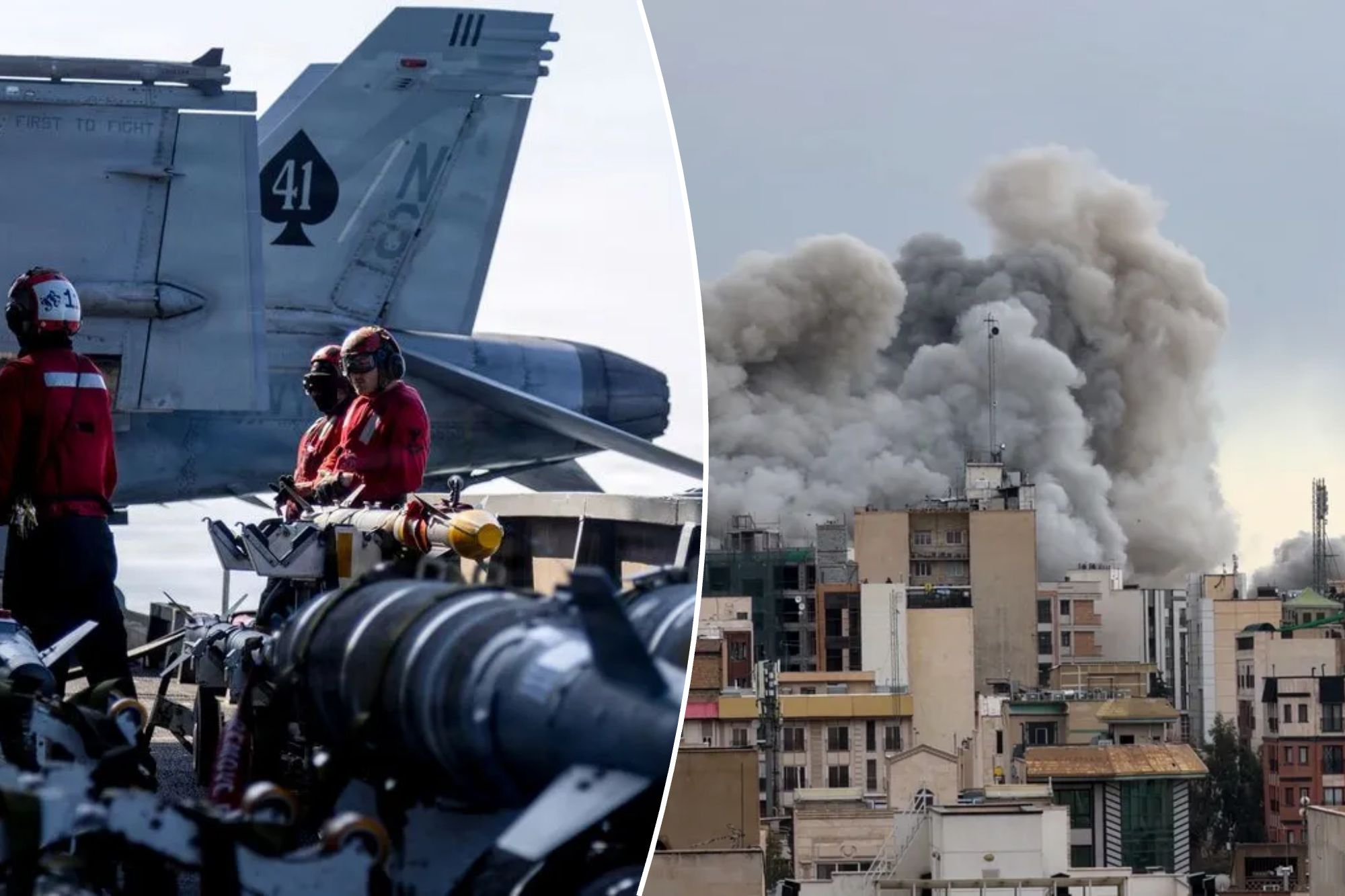
The ISW report states that the current phase of the conflict is marked by a positive military trajectory. The United States has been steadily undermining Iran’s ability to conduct drone and missile attacks, which are central to Iran’s war strategy. These attacks have been a key component of Iran’s approach, but their frequency has been decreasing over time.
Despite this, Iran has still managed to cause some damage to U.S. forces, though these attacks have not reached the scale of what was anticipated in an existential conflict. The report notes that the damage caused by these attacks has not been operationally significant or widespread in terms of casualties.
Addressing Criticisms
The ISW assessment comes at a time when Operation Epic Fury has faced criticism, including claims that the operation is failing or not progressing as expected. For instance, Senator Chris Murphy (D-CT) criticized the military strikes, suggesting that President Donald Trump has lost control of the situation. He stated that the region is “on fire” due to misjudged assessments of Iran’s retaliatory capabilities.
However, the ISW report offers a different perspective, highlighting the successes of the military strikes and how they have effectively disrupted much of Iran’s strategic plans. It argues that any claims of the operation being a failure are premature and not supported by factual evidence.
Ongoing Challenges and Future Outlook
The report acknowledges that while the campaign is incomplete, it remains ongoing and has made progress toward its core objectives. The US-Israeli combined force will need more time to achieve its goals and prevent further political and economic harm to the United States and its regional allies.
One of the primary focuses of the operation has been to stop drone, ballistic missile, and traditional naval attacks, which are critical to Iran’s strategy. The ISW predicts that if these efforts are successful, the drone and missile threat could be reduced to levels that allow for renewed maritime transit through the Strait of Hormuz.
Early Successes and Remaining Tasks
The early stages of the operation have been promising, with the US-Israeli combined force successfully limiting attacks on U.S. partners and interests in the region. This effort began on the first day of the campaign and has gradually reduced Iran’s ability to launch missiles and drones.
Intelligence reports indicate that there has been substantial destruction of Iran’s missile launchers, with estimates suggesting that between 260 and 290 out of an estimated 410 to 440 launchers have been eliminated. Additionally, Iranian troop morale appears to be low following the strikes, with reports of demoralization, desertion, and refusal to follow orders.
Conclusion
While the conflict is still in its early stages, having lasted slightly over two weeks, there have been several positive developments. The ISW report emphasizes that it is too early to predict whether the military campaign will achieve its overall political objectives or how long disruptions to oil flow through the Strait of Hormuz will last. However, it clearly states that declaring the operation a military failure is premature while the campaign remains underway and incomplete.