Why Australians Might Face Fuel Rationing if Iran Conflict Drags On
Australians Braced for Potential Fuel Rationing Amid Global Oil Crisis
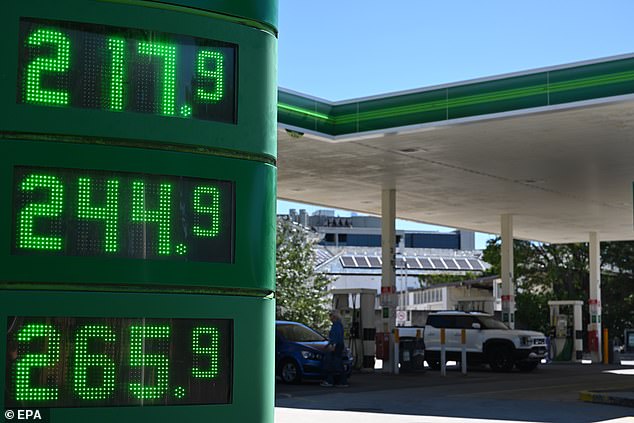
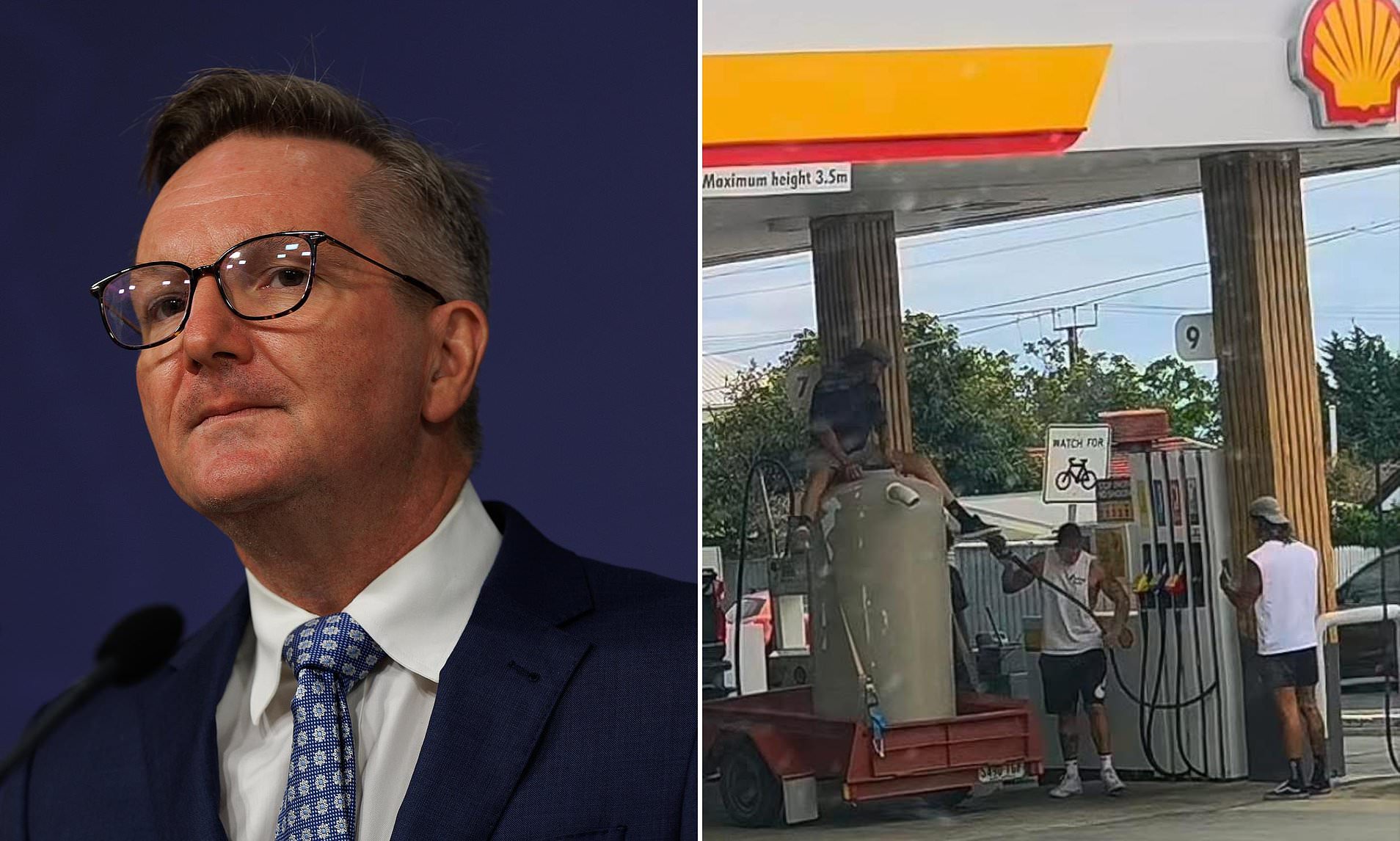
As the conflict in the Middle East continues to escalate, Australian motorists are being warned that fuel rationing could become a reality if the situation persists. The global oil market is experiencing significant disruptions, with petrol and diesel prices surging across the country. Unleaded petrol has surpassed $2.20 per litre, while diesel has gone over $2.60, placing additional financial strain on consumers.
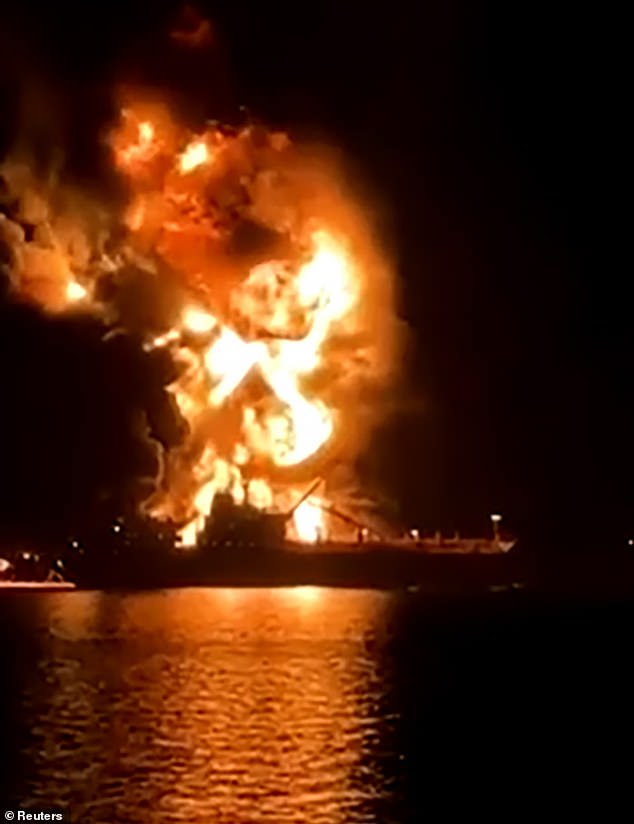
The Strait of Hormuz, a critical shipping route responsible for transporting approximately 25% of the world’s seaborne oil trade, has been severely impacted by the ongoing conflict. This chokepoint handles around 20 million barrels of crude oil and petroleum products daily, making it a vital artery for global energy supply. However, the war has led to a major disruption in oil flows through the strait, and alternative routes remain limited.
In response to this crisis, the International Energy Agency (IEA) has taken action by agreeing to release 400 million barrels of oil from emergency reserves. This stopgap measure aims to stabilize global prices and ensure continued supply. Despite these efforts, experts warn that the situation remains precarious.
Professor Samantha Hepburn, an energy policy expert at Deakin Law School, has expressed concerns about the potential for fuel rationing if the conflict does not end soon. She emphasized that Australia’s short-term buffer would not be sufficient to withstand a prolonged war. “Our short-term buffer will obviously not survive a prolonged war and we’re going to have to immediately switch to rationing,” she said.
Diesel, in particular, is expected to face purchasing restrictions first, as it is essential for military operations, essential services, transport, and agriculture. Professor Hepburn highlighted the need for a more realistic approach to energy security, given the impact on consumers and the risk of rising inflation.
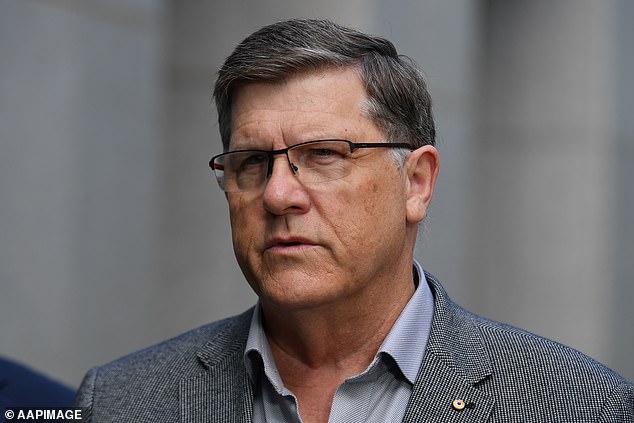
Retired Royal Australian Air Force vice-marshal John Blackburn also warned that Australians may need to adjust their fuel consumption and implement a form of rationing. He criticized the lack of long-term planning by political leaders, pointing out that Australia now only has two oil refineries left. “This is symptomatic of our failure to plan ahead,” he said.
Blackburn also criticized the reliance on imported refined fuel, noting that some officials had dismissed the importance of domestic refining capabilities. “There was no concept of fuel security. The assumptions were huge,” he added.
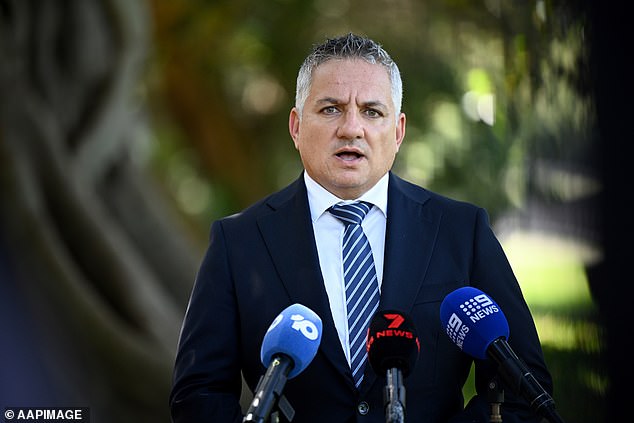
Energy Minister Chris Bowen stated that Australia has stockpiled enough fuel to last over a month, with 1.6 billion litres of petrol (37 days’ supply), 2.7 billion litres of diesel (30 days’ supply), and 800 million litres of jet fuel (29 days’ supply) available. However, NRMA head of media Peter Khoury cautioned against the assumption that the country is fully prepared.
Khoury pointed out that the 30-day supply estimate is based on an extremely unlikely scenario where no fuel arrives from overseas. “It is highly unlikely that tankers would ever stop crossing the Indian and Pacific oceans,” he said. He also highlighted the role of panic buying in exacerbating the situation, as demand has surged by 35-40% in some areas.
“Fuel prices in capital cities have risen a lot higher, and a lot quicker, than they should have,” Khoury said. He urged drivers to return to normal buying habits to reduce stress on the system. “We want to ensure that at the terminal, one way or another, we’re getting diesel out to regional service stations and to farming communities.”
Despite the challenges, Khoury maintains that there is still enough fuel coming into Australia, and there is no indication that rationing will be necessary at this time. However, he emphasized that the only way for the Strait of Hormuz to reopen is for the conflict to end.