
Oil set for more gains as Middle East conflict risks exports
Rising Tensions and Oil Market Volatility
The ongoing conflict between the United States and Israel against Iran has led to a significant increase in oil prices, with expectations that this trend could continue. As the war enters its third week, concerns about the safety of oil infrastructure and the closure of the Strait of Hormuz have heightened market anxiety. This strategic waterway is crucial for global oil supply, as it handles approximately one-fifth of the world’s total oil shipments.
Emergency Measures by International Energy Agency
In response to the escalating situation, the International Energy Agency (IEA) announced that over 400 million barrels of oil reserves will soon be released into the market. This unprecedented move aims to stabilize prices amid the Middle East conflict. The reserves from Asia Oceania will be made available immediately, while those from Europe and the Americas are expected to enter the market by the end of March.
Surge in Crude Futures
Brent and U.S. West Texas Intermediate crude futures have seen a remarkable increase, surging more than 40% this month. These levels mark the highest since 2022, driven by the U.S.-Israeli attacks on Iran. The attacks prompted Tehran to halt shipping through the Strait of Hormuz, a critical chokepoint for global oil supply.
Trump’s Response and Threats
U.S. President Donald Trump has called for allies to deploy warships to secure the Strait of Hormuz. According to reports, Trump plans to announce a coalition aimed at escorting ships through the strait as early as this week. Additionally, Trump has threatened further strikes on Iran’s Kharg Island oil export hub following recent attacks on military targets there. This threat has been met with a defiant response from Tehran, signaling an escalation in the conflict.
Impact on Key Facilities
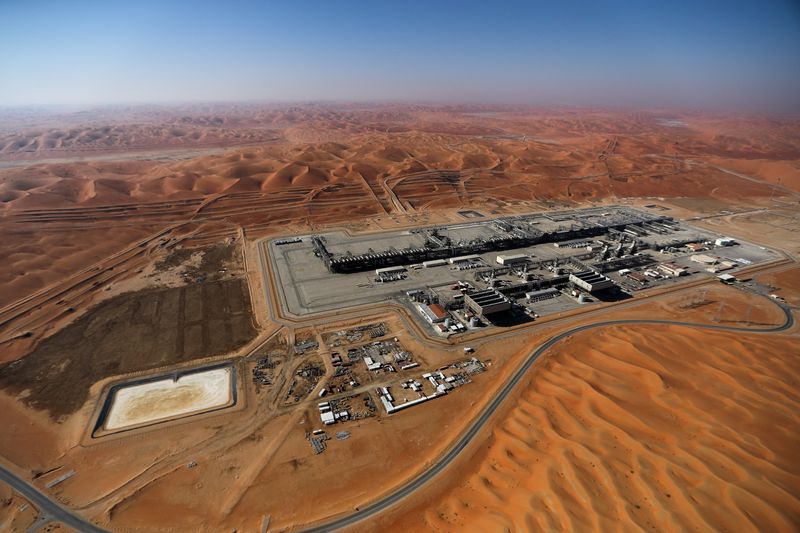
Iranian drones have targeted a key oil terminal in Fujairah, UAE, shortly after the attacks on Kharg. JP Morgan analyst Natasha Kaneva noted that this marks an escalation in the conflict. Besides Fujairah, Saudi Arabia’s Ras Tanura export terminal and Abqaiq oil processing facilities have also been identified as critical and highly vulnerable energy assets in the Gulf by JPM analysts.
Resumption of Oil Operations
Despite the challenges, oil loading operations at Fujairah have resumed, according to a Fujairah-based industry source. Fujairah serves as the outlet for about 1 million barrels per day of the UAE’s flagship Murban crude oil, which accounts for roughly 1% of global demand.
Global Supply Disruptions
Global oil supply is projected to decrease by 8 million barrels per day in March due to shipping disruptions. According to the International Energy Agency, Middle Eastern producers have cut output by at least 10 million barrels per day.
Optimism from U.S. Energy Secretary
U.S. Energy Secretary Chris Wright expressed optimism on Sunday, stating that he expects the conflict with Iran to conclude within “the next few weeks.” He added that oil supplies will rebound, and energy costs will decline afterward.
Diplomatic Efforts and Challenges
Meanwhile, the Trump administration has resisted efforts by Middle Eastern allies to initiate diplomatic negotiations, according to sources familiar with the discussions. Iran has also rejected any possibility of a ceasefire until U.S. and Israeli strikes cease, dimming hopes for a swift resolution to the conflict.