Iran Attacks UAE Oil Facilities as Struggle for Hormuz Intensifies
Escalation in the Middle East: Oil Depots Under Attack
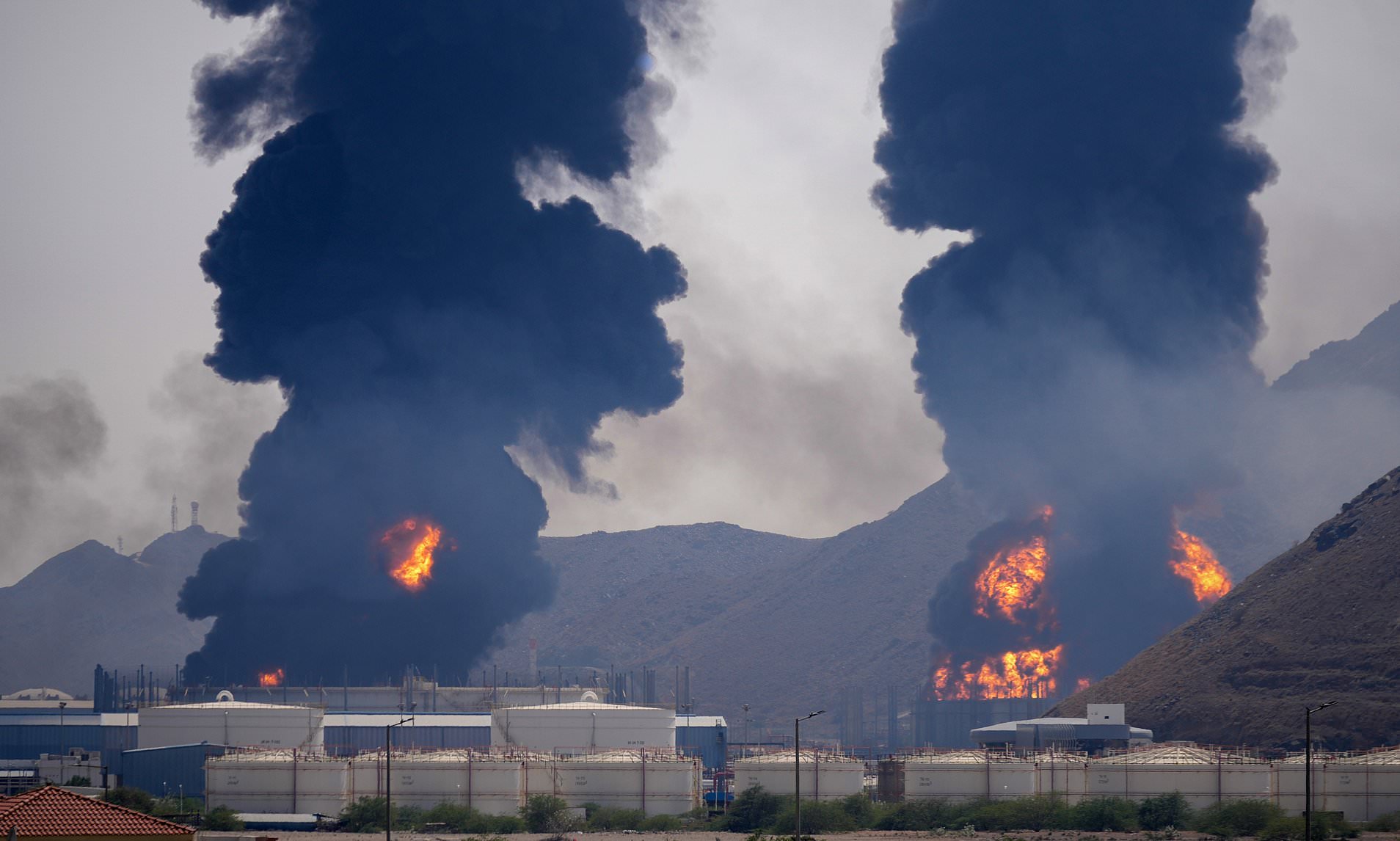
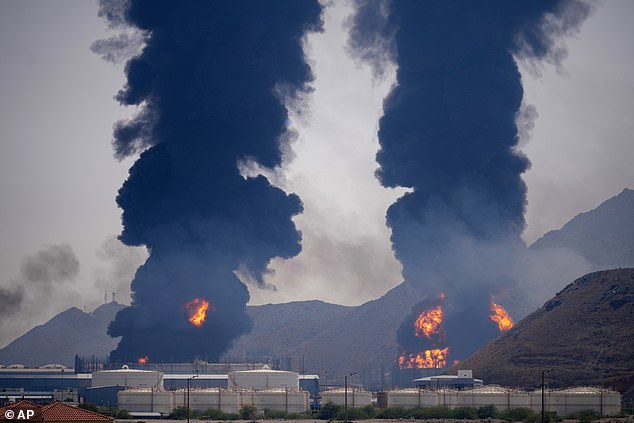
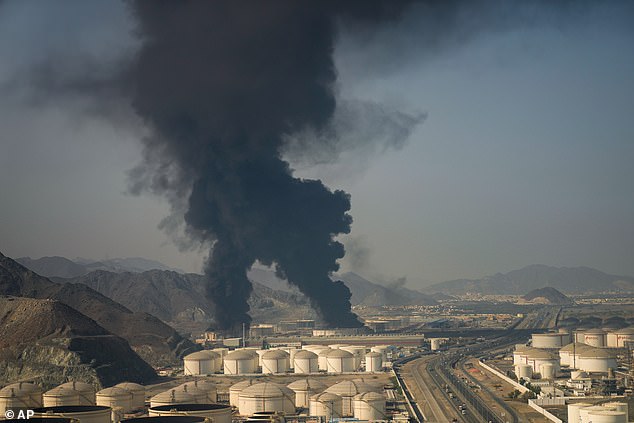
A significant black smoke cloud rose from an oil depot in the United Arab Emirates as Iran launched a revenge attack following US strikes on Kharg Island. The drone attacks targeted an oil facility in the port of Fujairah, causing a fire and forcing operations to be suspended on Saturday. This incident has raised concerns about the stability of global oil markets.
The depot exports over 1.7 million barrels per day of crude oil, which accounts for nearly two percent of the daily world demand. The attack came after the United States ‘obliterated’ Iran’s Kharg Island, according to Donald Trump. Tehran responded with threats of revenge, leading to strikes on oil depots in the UAE.
Trump stated that he did not target the island’s oil infrastructure during his attack but warned that he would ‘reconsider’ if Iran continues to block the Strait of Hormuz. As he attempts to regain control of the strategic waterway, Trump urged world leaders to assist in escorting oil tankers through the chokepoint in the Gulf. He called on countries such as China, France, Japan, South Korea, and the UK to send ships to support this effort, while the US military continues to strike drone, boat, and missile launch sites in Iranian territory on the north shore of the strait.
In a post to his Truth Social account, the president boasted about the decisive strikes on Kharg Island. He claimed that the United States Central Command executed one of the most powerful bombing raids in the history of the Middle East, completely destroying every military target on the island. Trump added that if Iran or anyone else interfered with the free and safe passage of ships through the Strait of Hormuz, he would immediately reconsider his decision.
This statement comes amid growing desperation for the crucial shipping lane to reopen. Global oil prices have surged by 40% as Iran has blocked the vital sea passage, which accounts for 20% of the world’s oil supplies. In response to Trump’s threats, the Iranian military warned that oil and energy infrastructure owned by US-linked firms would be destroyed if the United States struck its oil facilities.
Iranian Parliament Speaker Mohammad Bagher Qalibaf warned that attacks on Iran’s southern maritime frontier would cause the country to ‘abandon all restraint,’ highlighting the importance of Kharg Island and its surrounding areas to Iran’s economy and security.
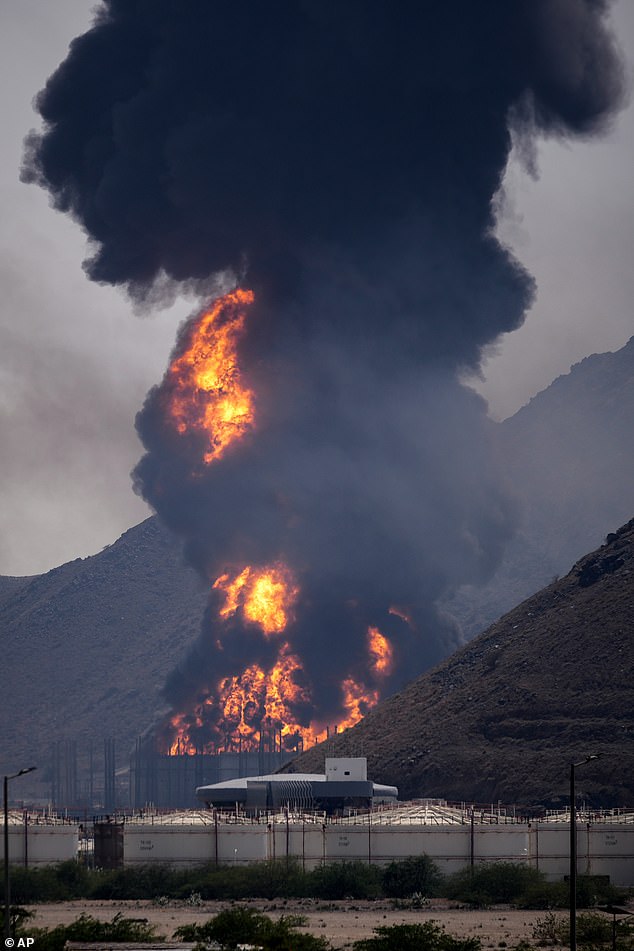
Iran has exported 13.7 million barrels since the war began, and multiple tankers were seen loading at Kharg, according to TankerTrackers.com. The small coral island is strategically located 21 miles off Iran’s coast and holds oil facilities and housing for thousands of workers. An attack on Kharg could damage Iran’s current government and undermine the viability of any potential replacement.
Iran’s retaliatory strike on Fujairah demonstrated the regime’s determination to disrupt global oil trade. The depot sold 7.33 million metric tons of marine fuels in 2025, making it the fourth-largest in the world. The UAE, which previously produced more than 3.4 million barrels per day of crude, operates a 1.5 million barrels per day pipeline that can transport some crude to bypass the Strait of Hormuz.
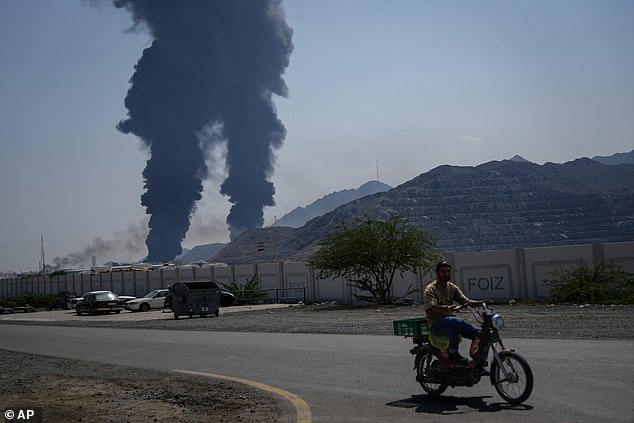
The Abu Dhabi Crude Oil Pipeline (ADCOP) transports oil from Abu Dhabi’s fields to Fujairah, where the UAE crude grade Murban is loaded for sale to Asian buyers. With the Strait of Hormuz largely shut to exports, significant disruptions at Fujairah could force OPEC’s third-largest crude producer to reduce production. According to media reports, operations at the facility have resumed today.
Energy Secretary Ed Miliband stated that Britain is ‘intensively looking’ at ways to reopen the Strait of Hormuz and end Iran’s stranglehold over the key oil and gas shipping route. He emphasized the need to de-escalate the conflict and work with allies to make maritime shipping possible. However, other countries have given only a guarded reception to the idea, with Iran’s foreign minister warning against actions that could escalate the conflict.
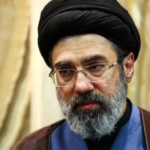
South Korea said it was closely monitoring President Trump’s remarks on social media, while Japan’s policy chief noted the high bar for sending navy ships to the region under existing laws. In a written statement, Iran’s new supreme leader, Ayatollah Mojtaba Khamenei, vowed to keep Hormuz closed. However, Trump dismissed this, suggesting that the leader might not even be alive.
Despite facing superior US and Israeli firepower, Iran has retaliated with missile and drone attacks against at least 10 countries. The situation remains tense as the conflict continues to unfold.