Why Iran Targets the United Arab Emirates
The Impact of Iranian Strikes on the United Arab Emirates
The United Arab Emirates (UAE) has faced one of the most intense waves of attacks from Iran, surpassing even the challenges experienced by Israel. This situation highlights the growing tensions in the region and raises concerns about the UAE’s role as a key player in global trade and technology.
Escalation of Attacks
Iran has launched numerous strikes against the UAE, with over 90% of incoming missile and drone threats intercepted by the country’s air defenses. As of March 12, the UAE’s Ministry of Defense reported intercepting 268 ballistic missiles, 15 cruise missiles, and 1,514 drones. These attacks have resulted in six fatalities and 131 injuries. Despite these efforts, the frequency of attacks has significantly impacted daily life in cities like Dubai and Abu Dhabi, where residents often hear loud explosions and experience frequent missile alarms.
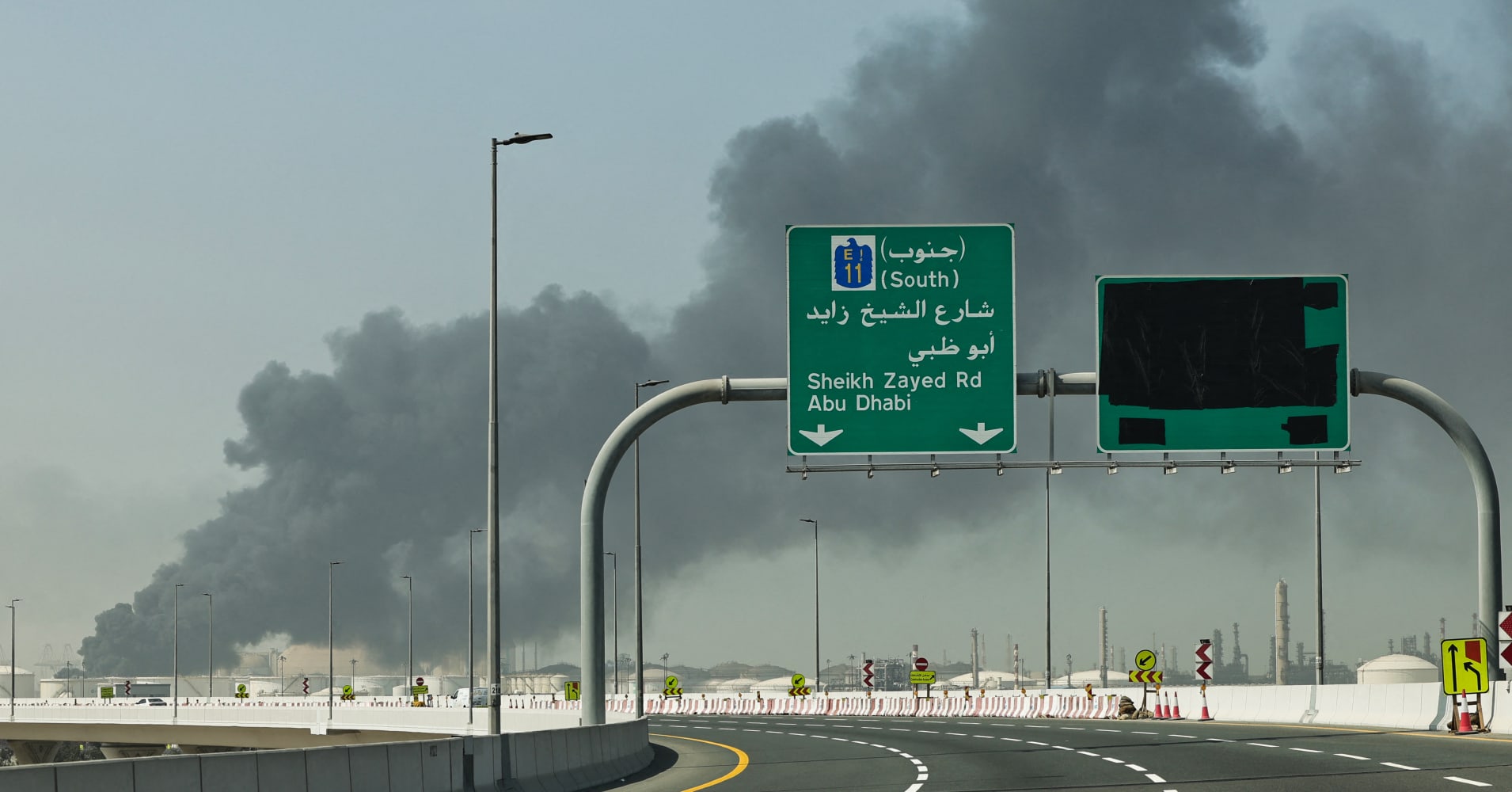
Airports, residential buildings, hotels, and critical infrastructure such as Dubai’s International Financial Center and Jebel Ali Port have all been targeted. Even the U.S. consulate in Dubai has not been spared. Iran claims its attacks are limited to U.S. bases, but evidence suggests otherwise, with civilian and financial targets being hit.
Strategic Importance of the UAE
The UAE’s strategic position makes it a prime target for Iran. As a bridge between East and West, the UAE plays a crucial role in global trade, finance, and technology. Its significance is further emphasized by its close ties with the United States. The UAE was one of the first stops for U.S. President Donald Trump during his second term, and the country was designated a major defense partner in 2024. This partnership includes coordination on defense and artificial intelligence, underscoring the UAE’s importance in regional security.
The Al Dhafra Air Base, located near Abu Dhabi, has also been a target. This base hosts U.S. and French forces and serves as a key hub for air operations and intelligence gathering. Analysts suggest that the UAE’s heavy targeting may be due to its strategic value and the presence of U.S. military assets.
Social and Economic Implications
The UAE has long prided itself on being a tolerant and progressive nation. With nearly 90% of its population being expats, the country offers a diverse and inclusive environment. However, recent attacks have raised concerns about its safety and stability. International banks have pulled employees from Dubai offices, and many tech companies have shifted to remote work following attacks on the International Financial Center.
The targeting of energy infrastructure, including the Ruwais refinery and Fujairah terminals, has also disrupted the UAE’s economic activities. This disruption is part of Iran’s broader strategy to destabilize the region and challenge the UAE’s role as a major energy hub.
Future Prospects
Despite the challenges, the UAE continues to position itself as a leader in innovation and technology. The country aims to diversify its economy away from oil and become a major hub for artificial intelligence. However, the recent attacks have raised questions about the attractiveness of the region for big tech investments.
As the conflict continues, the UAE’s ability to defend itself and maintain its economic stability will be crucial. The international community will be watching closely to see how the UAE navigates this complex and volatile situation.