Gas Prices May Surge if Hormuz Strait Remains Closed
As the conflict enters its third week, U.S. military officials have reported that 6,000 Iranian military targets have been struck, including ballistic missile sites and air defense systems. Additionally, Iran’s navy has been rendered “combat ineffective,” according to statements from U.S. officials. Despite these developments, Iran continues to maintain control over a narrow stretch of water known as the Strait of Hormuz.
This vital waterway is the only route connecting oil-rich countries in the Persian Gulf to the rest of the world. It spans 21 miles and serves as a crucial passage for about a fifth of the world’s oil. Normally, 130 commercial ships pass through it every day. However, on February 28, when Israeli and American jets began bombing Iran, and Iran retaliated, ship traffic came to a halt. This unprecedented closure caused a spike in American gas prices and disrupted global trade.
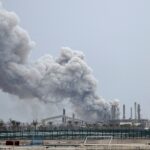
The situation in the Strait of Hormuz is dire, with an estimated 20,000 crew members stranded and under threat. One of the few ships that attempted to cross since the war began was a Thai cargo ship that was struck by a projectile from Iran, setting the ship on fire and trapping its crew. Most other vessels remain at a standstill in the surrounding waters, where drones and explosions are a constant presence.
Cecilia Vega asked Capt. Silke Lehmköster, who oversees a 300-vessel fleet for Hapag-Lloyd, when she decided it was too dangerous for ships to pass through the strait. Lehmköster explained that the decision was made early on, as Iran had already warned that any vessel passing through the Strait of Hormuz would be attacked. This warning led her to order her crews not to proceed, leaving 150 men trapped as the war rages around them.

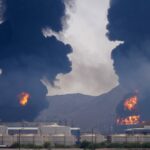
Lehmköster described the scene as one of constant danger, with drones flying overhead and explosions occurring close to the port. The crew members were terrified by what they saw, and they have been ordered to stay below deck as much as possible. Communication with the crews is challenging due to satellite phone interference, but the company maintains constant contact with its teams.
Her biggest fear is the fate of other ships, such as two oil tankers off the coast of Iraq that were struck by Iranian explosives and set ablaze. One of the tankers was American-owned, and crews had to be rescued by boat. The next day, scorched vessels were seen drifting in the water. Since the war started, there have been 16 confirmed attacks on ships in and around the Persian Gulf, with Iran claiming responsibility for several of them. At least eight crew members have been killed.
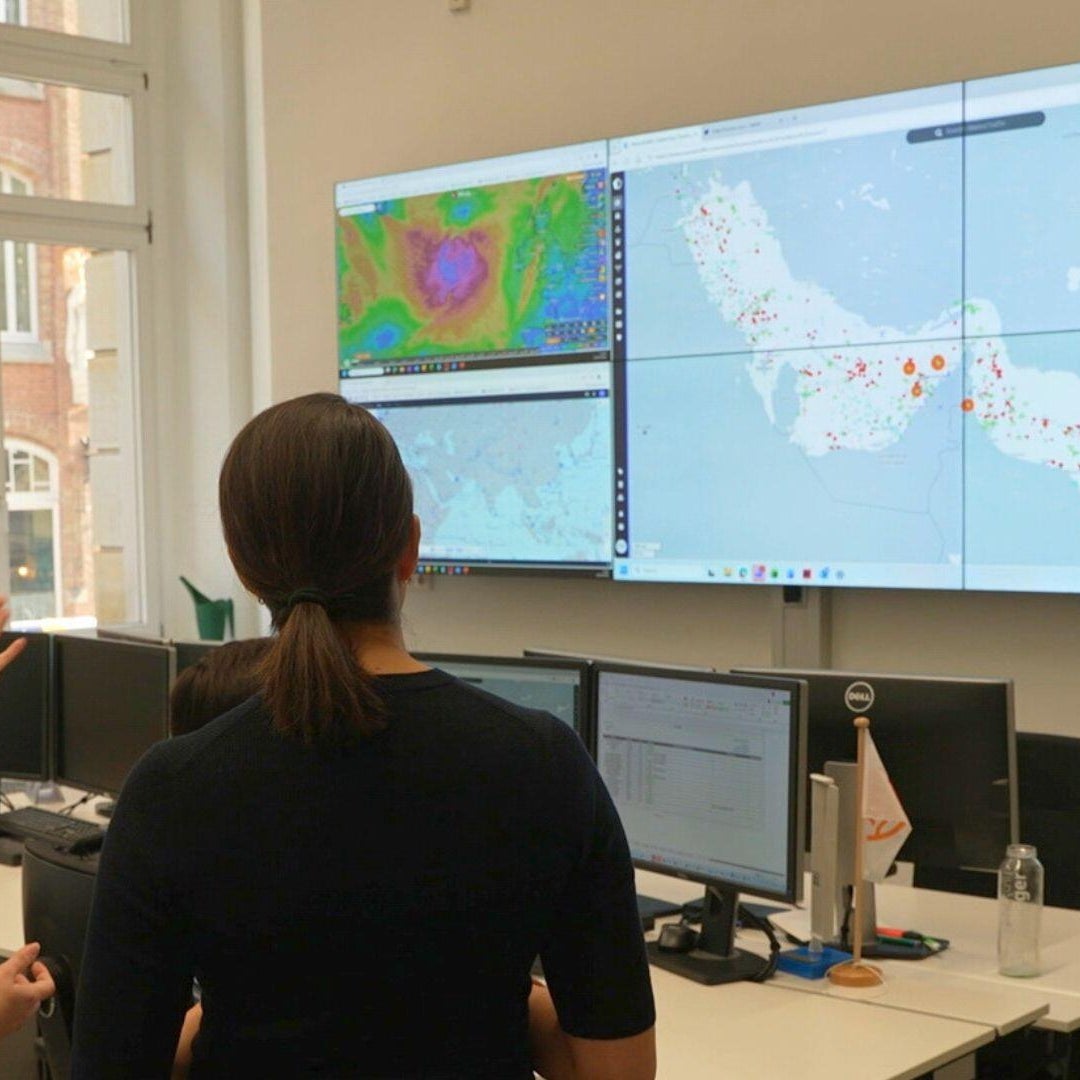
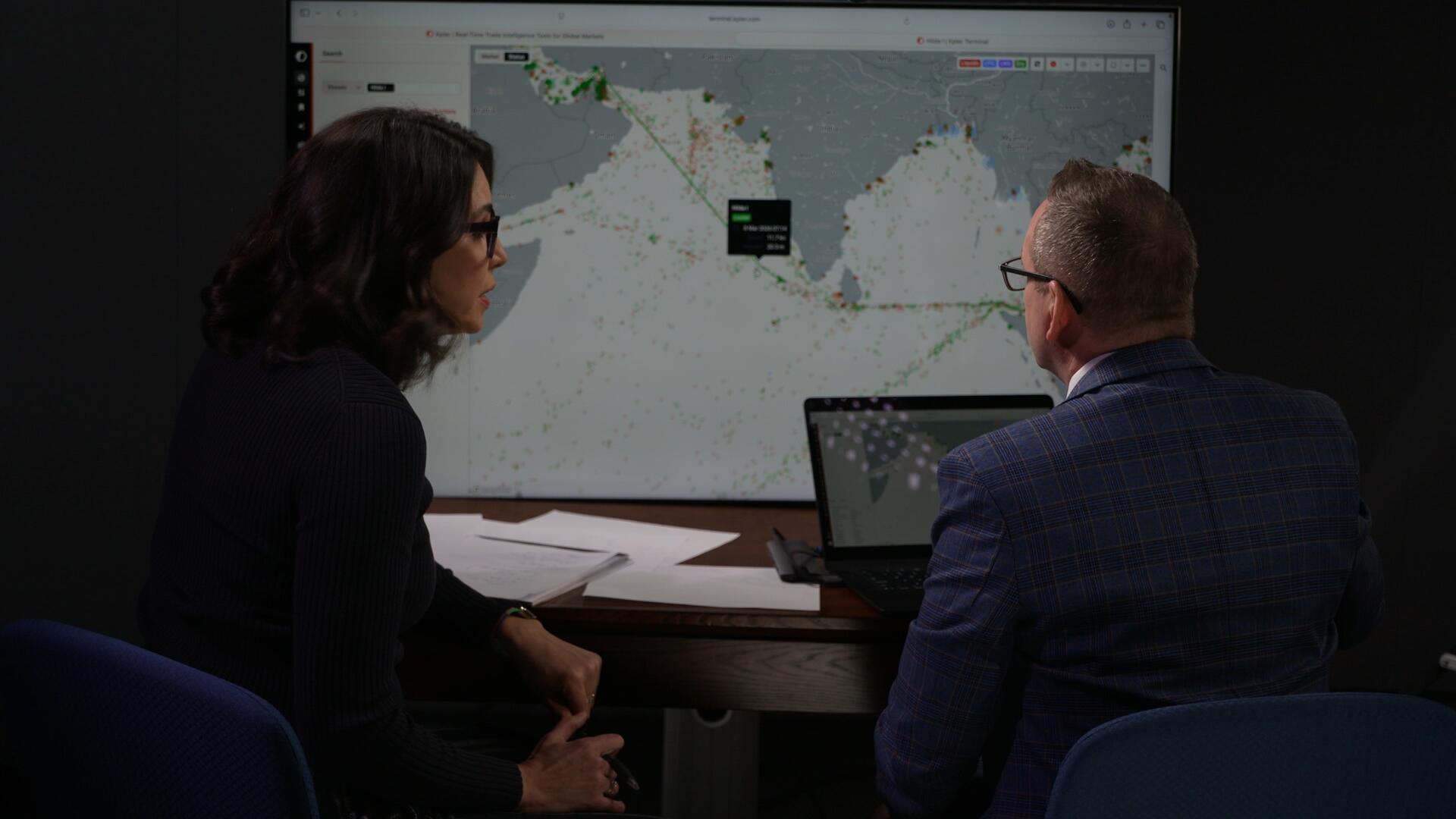
Matt Smith, an oil market analyst for Kpler, tracks global trade and shipping. He created a timelapse showing how quickly ship traffic moved around the bend of the strait before the war. On a normal day, about 100 ships pass through, but this number dropped to about 70 after the bombings. By Sunday, it fell into the teens, and since then, only one or two tankers have passed through each day.

Smith noted that the few ships that have moved are mostly from Iran. He pointed out a tanker named Hilda, which is loaded with Iranian crude and heading to China. The situation has also led to an unexpected increase in Iran’s oil exports, with daily shipments rising by 100,000 barrels compared to before the war. Nine Iranian oil tankers have traveled through the Strait of Hormuz by turning off transponders that reveal their locations.
Thursday on Iran state TV, the first public statement from the country’s new supreme leader was read, emphasizing the need to continue blocking the Strait of Hormuz.
Bob McNally, an energy adviser to President George W. Bush, described the Strait of Hormuz as the “mother of all choke points.” He predicted that Iran could make the strait unsafe for oil flow if left unmolested. McNally supported the strikes on Iran, believing they were principled and courageous. However, he expressed concerns about the impact on oil and gas markets, emphasizing the need to attack Iran’s ability to disrupt the strait.
Gas prices in the United States have increased by more than 65 cents per gallon since the war began, the fastest weekly spike in 10 years. If the Strait of Hormuz remains closed, McNally warned that new records for gas prices could be set. The cost of jet and diesel fuel has also risen by 25%, leading to higher plane tickets and grocery prices.
McNally explained that the price of gasoline at the pump is determined by the global oil market, and supply disruptions anywhere lead to price spikes for consumers everywhere. This ripple effect impacts everything from food production to transportation, ultimately affecting families across the country.
Despite President Trump’s assurances that the straits are in great shape and that all of Iran’s boats have been knocked out, most ships remain too wary to cross. U.S. Central Command has taken out 30 so-called “mine layers” believed to be used by Iran to deploy mines in the shipping lanes of the strait.
The president suggested the U.S. would help cover the cost of risk insurance to reassure nervous ship owners and offered the possibility of U.S. Navy escorts for protection. However, it is unclear when this will happen as the Navy is currently occupied with the war.

Captain Lehmköster emphasized that more insurance would not necessarily help, as it cannot insure the life of a seafarer. She would rather have U.S. Navy escorts. However, no such offer has been made yet.
To move more oil onto the global market, the Trump administration announced it will temporarily lift sanctions on Russian oil. Thirty-two countries, including the U.S., also plan to release 400 million barrels of oil from strategic reserves, a process expected to take at least three months.
McNally stated that there are no policy solutions to a prolonged closure of the Strait of Hormuz. He argued that the only way to address the issue is to restore the flow of traffic through the strait. Even if the White House declared an end to the war, there is no guarantee that Iran would open up the strait and return to business as usual.
The attacks continue, including on a ship near Dubai two days after the interview. The ship caught fire, but no crew members were injured.
Lehmköster explained that for her to give the go-ahead for her crews to sail through the strait, there needs to be an end to the escalation, with no drones, missiles, or threats. A clear message from all parties that they will stop is essential.
Yesterday, President Trump called on other countries, including China, to send ships to help secure the Strait of Hormuz, stating that it should have always been a team effort. However, Iran’s foreign minister recently said that its military decides which countries are allowed to pass through the strait.