Iran and U.S. Clash Over Oil Facility Threats
Iran has issued a stark warning, threatening to reduce U.S.-linked oil facilities to “a pile of ashes” as the ongoing conflict in the Middle East escalates into a global oil price crisis. The two-week-old war has spilled over into multiple regions, causing widespread disruption and fear.
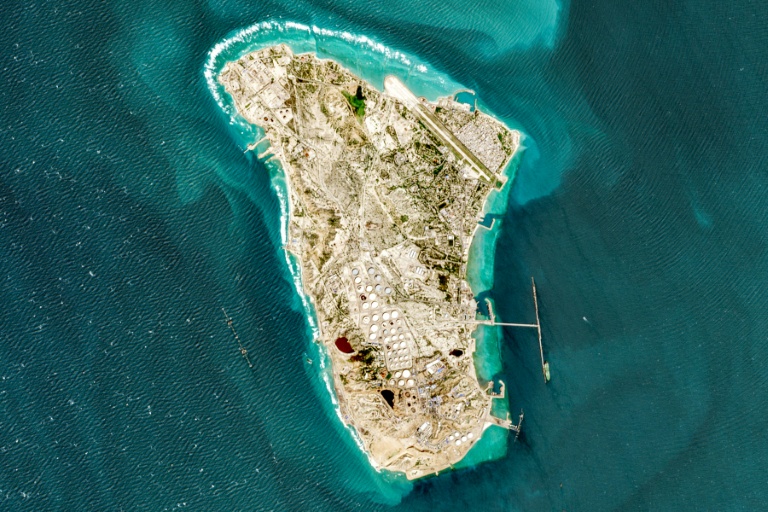
The Iranian military issued this threat following comments from former U.S. President Donald Trump, who had previously stated that he might consider “wiping out” Iran’s largest oil export hub on Kharg Island. This statement has only intensified the already volatile situation between the two nations.
Waves of drone, missile, and aerial attacks have displaced millions of people across the region. Reports indicate that more than 1,200 individuals have been killed in Iran since the United States and Israel launched hostilities on February 28. Despite facing overwhelming U.S. and Israeli military power, Iran has retaliated with missile and drone strikes targeting at least ten countries.
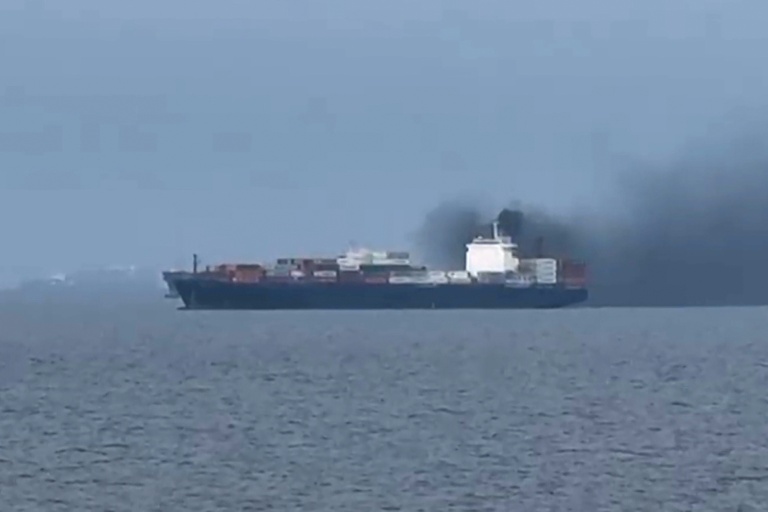
In addition to these attacks, Iran has also placed pressure on the global economy by threatening to strike oil tankers in the Strait of Hormuz. This critical waterway typically carries one-fifth of the world’s oil supplies. The tension has caused crude oil prices to surge by more than 40 percent since the conflict began.
Trump recently claimed that U.S. forces had “totally obliterated” all military targets on Iran’s Kharg Island oil export hub. He described the operation as “one of the most powerful bombing raids in the history of the Middle East.” However, he chose not to target the oil infrastructure on the island for now.
“However, should Iran, or anyone else, do anything to interfere with the Free and Safe Passage of Ships through the Strait of Hormuz, I will immediately reconsider this decision,” Trump said. He added that the U.S. Navy would begin escorting tankers through the Strait of Hormuz “very soon” to help restore oil exports.
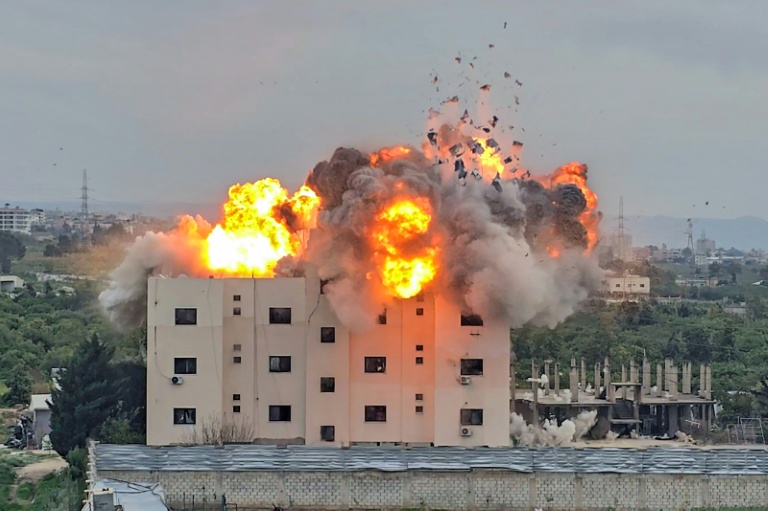
In response, the Iranian military warned that any U.S. attack on its oil facilities would result in the destruction of U.S.-linked oil and energy infrastructure, turning it into “a pile of ashes.”
According to health ministry figures, which remain unverified, more than 1,200 people have died in Iran due to U.S. and Israeli attacks. The UN refugee agency estimates that up to 3.2 million people have been displaced within Iran since the war began.
Blasts Hit Tehran
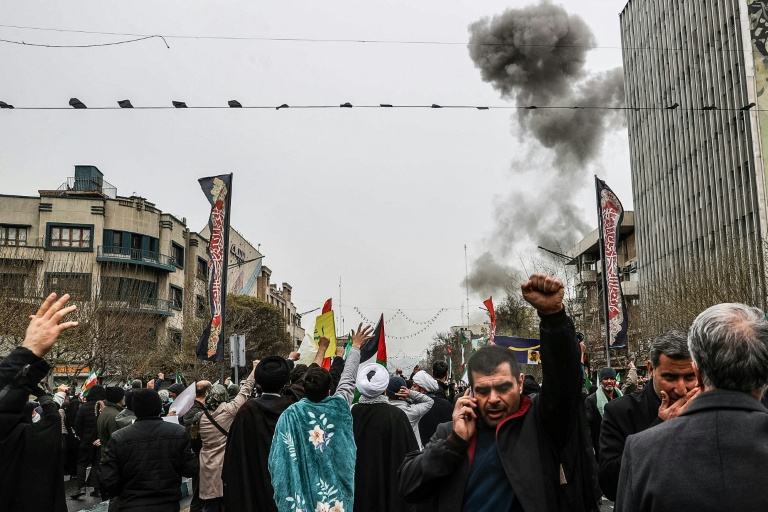
Heavy blasts shook Tehran late Friday after the United States vowed to increase air strikes. Trump described Iran as “totally defeated” and claimed to be searching for a deal that he was unwilling to consider. According to the Pentagon, the U.S. and Israel have struck over 15,000 targets in Iran during the past two weeks. Israel’s military reported conducting 7,600 strikes, primarily against Iran’s missile program.
Despite the intense bombardment, Iran appears determined to show resilience and maintain control. However, the country faced a major blow when its supreme leader, Ali Khamenei, was killed at the start of the U.S.-Israeli campaign. Khamenei’s son, Mojtaba Khamenei, was named the new supreme leader, but he has been absent from public view and is reportedly wounded.
Within Iran, the Revolutionary Guards have warned of a strong response to any anti-government protests. This follows demonstrations in January where several thousand people were killed. Iranian authorities have maintained an internet blackout since the war began.
A drone attack struck the U.S. embassy in Baghdad on Saturday, according to an Iraqi security official and a security source. A journalist from Jendela Magazine observed smoke rising from the complex. The attack occurred shortly after two Iran-backed fighters were killed in strikes on Iraq’s capital, as reported by multiple sources.
After 14 days of war, the U.S. is reportedly sending reinforcements that could expand options beyond the current airborne campaign. According to reports from the Wall Street Journal and New York Times, the Pentagon has dispatched the Japan-based amphibious assault ship USS Tripoli, along with approximately 2,500 Marines, to the region.
The U.S. military has lost 13 personnel since the war began. This includes six individuals who were aboard a refueling aircraft that crashed in Iraq. U.S. officials stated that the crash was not the result of hostile fire.
Gulf countries continue to face threats from Iran.
Missiles Intercepted
Qatar reported intercepting two missiles on Saturday after blasts were heard in the capital, Doha. Authorities evacuated some key areas, and interceptors were seen taking down two projectiles over the downtown area of the Qatari capital. Jendela Magazine journalists witnessed the explosions.
Saudi Arabia’s defense ministry stated that its forces intercepted dozens of drones on Friday. Beyond the Gulf, Turkey reported that NATO forces shot down a ballistic missile launched from Iran—marking the third such interception during the war.
Lebanon has also become involved in the conflict. A Tehran-backed militant group attacked Israel in response to the killing of Iran’s supreme leader. An Israeli strike in southern Lebanon killed a dozen doctors, paramedics, and nurses at a healthcare clinic, according to Lebanese health authorities.
According to Lebanese authorities, at least 773 people have been killed in Lebanon due to Israeli attacks aimed at eliminating Iranian ally Hezbollah.